
Legislative Action Against Sachet Alcohol in Nigeria
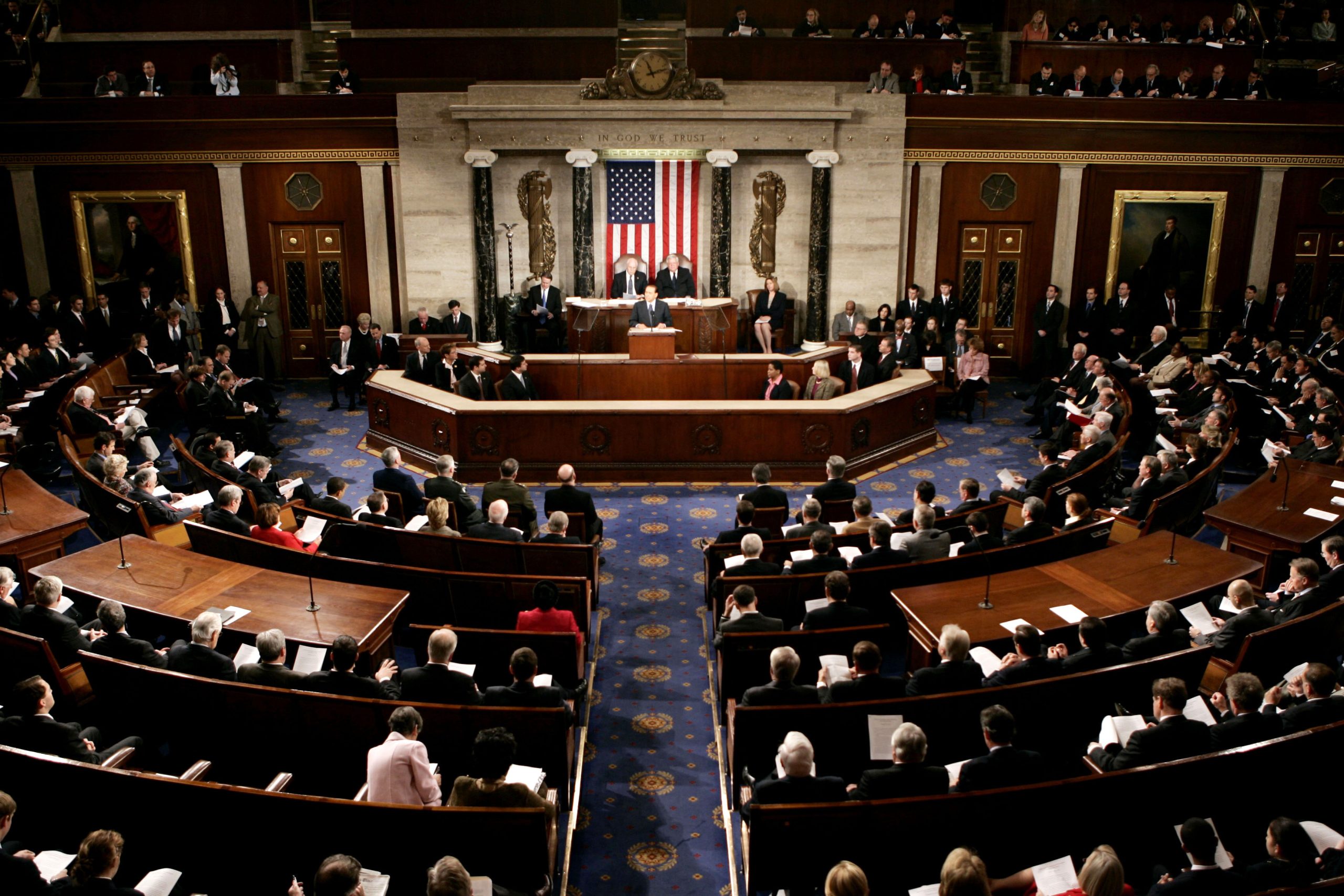
The Nigerian Senate has taken a decisive step to address the growing concerns surrounding the sale and production of alcoholic beverages in sachets and small plastic bottles. On Thursday, the upper chamber issued a clear directive to the National Agency for Food and Drug Administration and Control (NAFDAC), mandating a total ban on these products by December 2025. The Senate emphasized that no further extensions would be allowed, marking a significant shift in the country’s approach to alcohol regulation.
This resolution came after an extensive debate on a motion proposed by Senator Asuquo Ekpenyong from Cross River South. Ekpenyong raised alarms about NAFDAC’s repeated delays in implementing the phase-out of sachet-packaged alcohol. He highlighted that the deadline had been moved from 2023 to 2024 and then to 2025, which he argued emboldened manufacturers to push for even more extensions.
Ekpenyong warned that any further delay would be seen as a betrayal of public trust and a violation of Nigeria’s commitment to global health standards. He pointed out that the practice of packaging alcohol in sachets makes it as easy to consume as sweets, especially for children. This has led to increased addiction rates, impaired cognitive and psychomotor development, and a rise in domestic violence and road accidents.
The motion received strong bipartisan support, with lawmakers condemning the proliferation of cheap, high-alcohol-content drinks sold in small sachets. These were described as “silent poisons” targeting vulnerable Nigerians. Senator Anthony Ani from Ebonyi South emphasized that sachet-packaged alcohol has become a menace in communities and schools. He stressed that these drinks are cheap, potent, and easily accessible to minors, warning that every day of delay puts children at risk and undermines their futures.
Senate President Godswill Akpabio, who presided over the session, ruled in favor of the motion after what he called a “sober and urgent debate.” Akpabio stated that any measure aimed at saving lives is urgent. He urged immediate action to prevent further harm to Nigerians, particularly the youth, and declared that by December 2025, sachet alcohol must become history.
Growing Concerns Over Health and Social Impacts
The Senate’s resolution reflects growing national anxiety over the health and social consequences of unregulated access to cheap alcohol. Lawmakers noted that such products have become common near schools, markets, and motor parks, often sold to minors for as little as N100. According to the motion, the Federal Government entered into a five-year Memorandum of Understanding (MoU) in 2018 with key industry stakeholders, including NAFDAC, the Federal Ministry of Health, the Federal Competition and Consumer Protection Commission (FCCPC), and the Association of Food, Beverage & Tobacco Employers, to phase out the packaging of high-strength alcohol in sachets due to public health concerns.
However, the Senate expressed concern that despite the grace period, some companies are lobbying for another extension, undermining the regulatory authority of NAFDAC and jeopardizing public health. Ekpenyong pointed out that while some responsible manufacturers have already complied in good faith, they are now facing unfair competition from those who continue to produce and sell non-compliant products. This, he said, is both unethical and dangerous.
Legal and Ethical Justifications
Lawmakers cited Section 17(3)(f) of the 1999 Constitution (as amended), which mandates government protection of children, young persons, and the aged from exploitation and moral neglect, as justification for decisive intervention. They also referenced Nigeria’s commitment to the World Health Organization’s (WHO) alcohol harm reduction framework, which discourages the sale of high-alcohol-content beverages in small, portable containers that promote binge drinking and underage access.
The Senate resolved that NAFDAC must not grant any further extension beyond the current December 2025 moratorium. It directed the agency and the Federal Ministry of Health to enforce the prohibition nationwide without delay and to ensure that no administrative or legal obstacles hinder implementation. Additionally, the National Orientation Agency (NOA) was mandated to launch a nationwide sensitisation campaign to educate citizens, especially young people, on the dangers of consuming high-alcohol-content sachet drinks.
Broader Implications
The motion also called on the Federal Ministry of Health to expedite the public release of the long-awaited National Alcohol Policy, which contains a clear prohibition of alcohol packaging in sachet and small-volume formats. The motion highlighted disturbing findings linking sachet alcohol to a rise in school dropouts, traffic accidents, domestic violence, and crimes committed under intoxication.
Pushing the moratorium further, according to the Senate, would weaken Nigeria’s standing as a responsible member of the global community and erode years of progress in public health policy.
In his closing remarks, Akpabio commended senators for taking what he described as a “historic and moral stand” to protect Nigerians from a “slow-killing culture.” He emphasized that this is not just about alcohol regulation but about safeguarding the mental and physical health of the people, protecting children, and preserving the future of the nation.
With this resolution, the Senate has effectively placed NAFDAC and allied agencies under legislative mandate to ensure that by December 2025, sachet and small-volume alcoholic drinks are completely phased out across Nigeria, with no further extensions permitted.
Akpabio concluded: “The Senate has spoken clearly. The time for excuses is over. Let this harmful practice end, for the health, safety, and sanity of our nation.”