
Senate Directs NAFDAC to Enforce Alcohol Sachet Ban
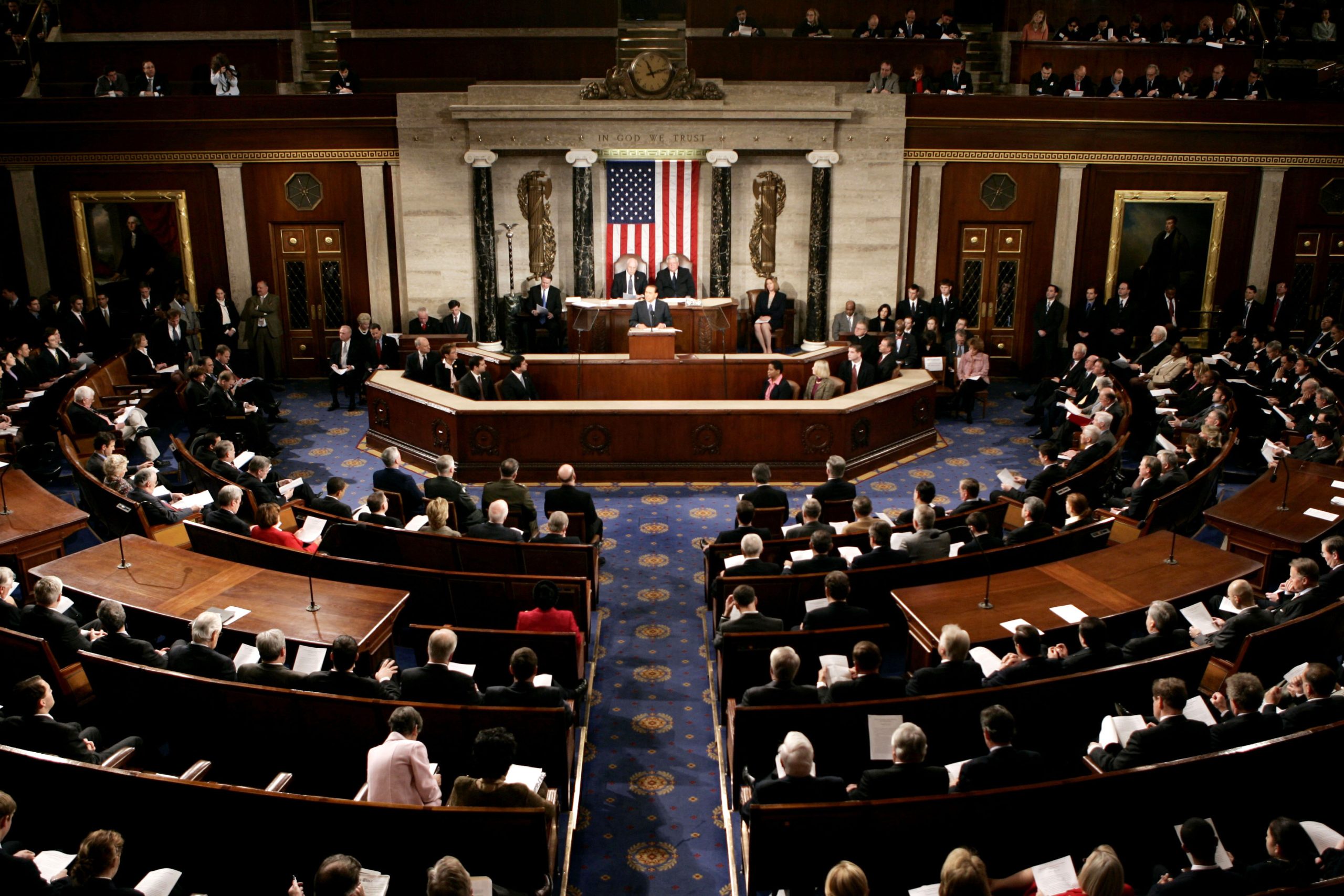
The Nigerian Senate has issued a clear directive to the National Agency for Food and Drug Administration and Control (NAFDAC) to ensure that the prohibition of the production and sale of alcoholic beverages in sachets and small-volume PET bottles is strictly enforced by December 31, 2025. This decision came after a motion of urgent national importance was moved by Senator Asuquo Ekpenyong (Cross River South) during a plenary session on Tuesday.
Global Standards and Public Health Concerns
Ekpenyong emphasized that the enforcement timeline aligns with global regulatory standards and international best practices aimed at reducing alcohol-related harm among Nigerians. He highlighted that in 2018, multiple stakeholders, including the Federal Ministry of Health, the Federal Competition and Consumer Protection Commission, NAFDAC, and industry groups such as the Association of Food, Beverage and Tobacco Employers, signed a five-year Memorandum of Understanding to gradually phase out sachet and mini-bottle alcoholic drinks. The goal was to curb the increasing abuse of cheap, high-strength alcohol among young people.
The senator noted that the federal government had already granted manufacturers a one-year moratorium in 2024 to allow them to exhaust existing stock and transition to compliant packaging. However, he warned that some producers were now lobbying for another extension, which could undermine the regulatory process and jeopardize public health.
Impact on Youth and Society
Ekpenyong argued that the continued sale of high-content alcoholic beverages in sachet form was contributing to addiction, impaired cognitive development, school dropouts, domestic violence, and an increase in road accidents, especially among commercial drivers and teenagers. He also pointed out that companies that had complied in good faith were being placed at a competitive disadvantage by those still producing banned formats.
During the debate, several lawmakers supported Ekpenyong’s motion, emphasizing the need for stronger enforcement and sustained public sensitization campaigns. Senator Anthony Ani (Ebonyi South) described the situation as a worsening public health threat, stating that the easy availability of cheap alcohol was fueling social vices. “We must act now to save our young generation from self-destruction,” he said.
Senate President’s Stance
The Senate President, Godswill Akpabio, echoed these concerns, stating that the resolution was a necessary step to protect the nation’s youth and public safety. He warned that NAFDAC must fully implement the ban, calling it a matter of urgency. “The agency must act decisively to protect Nigerians, especially our young people, from the dangers of unregulated alcohol consumption,” Akpabio said.
NAFDAC’s Enforcement Efforts
NAFDAC began enforcing the phase-out of sachet and small-bottle alcoholic drinks in January 2024. The agency sealed several factories and confiscated products found in violation of the directive. Led by its Director-General, Prof. Mojisola Adeyeye, NAFDAC has consistently maintained that such products are deliberately targeted at young consumers due to their affordability and concealability.
Despite resistance from segments of the manufacturing industry, NAFDAC has reiterated its commitment to the policy, emphasizing its role in reducing substance abuse, underage drinking, and addiction among youths across the country.
Industry Resistance and Public Health Advocacy
While some manufacturers have pushed back against the regulations, NAFDAC remains steadfast in its position. The agency continues to advocate for public health, stressing that the long-term benefits of the ban outweigh the short-term challenges faced by the industry. The Senate’s recent directive underscores the importance of this issue and signals a strong political will to prioritize public health over commercial interests.