
Escalating Violence in South Kordofan
Civilians in the towns of Kadulgi and Dilling in South Kordofan State are increasingly facing attacks from armed groups, as they endure a year-long military siege. Local residents have shared their experiences with Ayin, highlighting the worsening situation in these areas.
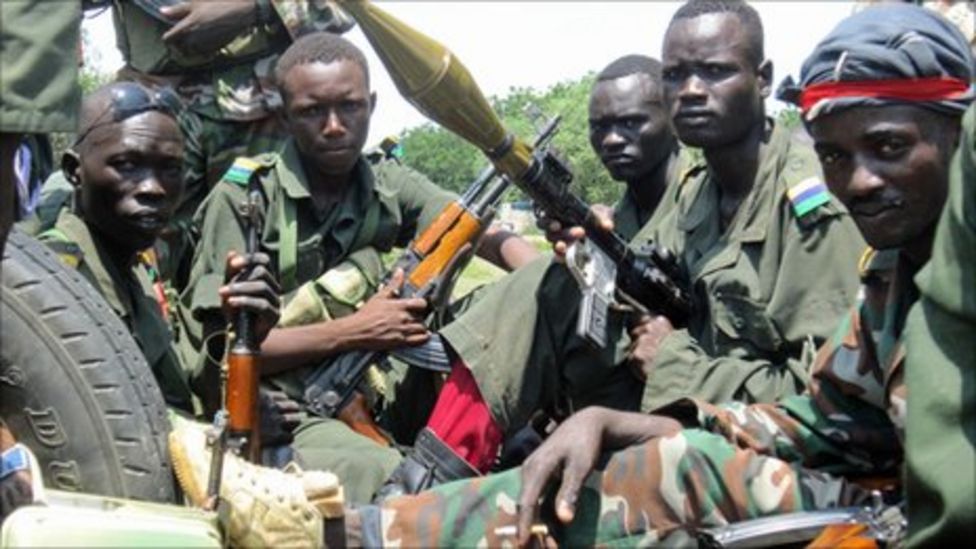
Since October, the “Ta’is” forces, an alliance consisting of the Rapid Support Forces (RSF) and the Sudan People’s Liberation Movement-North (SPLM-N), have intensified their attacks on the two cities. The primary targets include shelters for the displaced and civilian homes. A volunteer from the Kadugli Resistance Committee, who requested anonymity for safety reasons, explained that the targeting of Kadugli through drones began at the start of October. Initially, the focus was on military areas, but it has now shifted to civilian areas.
On October 31, a drone strike hit a camp for internally displaced people at the compound of the International Organisation for Migration (IOM) in Kadugli, killing five children instantly. A sixth child died the following day. A member of the resistance committees mentioned that five of the victims were from the same family. At the same time, other drones targeted the town of Al-Abbasiya Tagali, killing several displaced people who were sheltering within a secondary school, according to the same sources.
Challenges of Leaving Kadugli
The military escalation has prompted many to attempt to flee Kadugli, according to another source within the Kadugli Resistance Committees. However, leaving the city is fraught with challenges. There is a real risk of capture by the RSF or the allied SPLM-N. Additionally, Kadugli is entering the rainy season, making the terrain increasingly difficult to navigate.
For those seeking to leave, there are two main routes: either to areas controlled by the SPLM-N or through the eastern countryside or the western Kordofan region where the RSF is present. A member of the Dilling Resistance Committee told Ayin that the choice of exit route sometimes depends on the displaced person’s ethnic affiliation. The committee member believes the RSF and SPLM-N will target Kadugli in the near future, using forces in western Kordofan and the eastern countryside to cut off the road linking El Obeid and Dilling.
Food and Healthcare Crisis
Even before the recent fighting, food supplies in Kadugli and Dilling have been scarce due to security restrictions, according to human rights activist Jamal Koko. However, Koko noted that the ongoing shelling of Kadugli, Abbasiya, Tagali, Dilling, and Abu Jubaiha has worsened the situation. Markets are still open, but the lack of access has made smuggled goods extremely expensive. More importantly, healthcare services are practically non-existent.
Currently, the only goods that manage to enter Kadugli and Dilling are delivered via rugged, mountainous roads, which is a taxing journey that increases market prices, local traders said. The food situation has reached a critical stage, with the latest Integrated Food Security Phase Classification (IPC) report indicating that 40.2% of the population in Kadugli is suffering from acute food insecurity. UN statistics show that 63,000 children are malnourished, including 10,000 cases of the most severe form.
“This is a man-made emergency, and all steps needed to prevent further catastrophe are clear,” an October IPC report stated. “Exert maximum diplomatic pressure on the parties to the conflict and their international supporters for a ceasefire and an end to the blockades–and ultimately an end to the conflict itself.”
Strategic Importance of Kadugli
Control over Kadugli remains a militarily strategic aspiration for all the warring parties, as the city acts as a gateway to Darfur. For the Sudanese Armed Forces (SAF) in Khartoum, Kadugli is one of its last major strongholds in the Kordofan region. For the RSF and SPLM-N, capturing it is key to consolidating their control over the entire western half of the country.