
North Korea Conducts Missile Test Amid Stalled Diplomatic Efforts
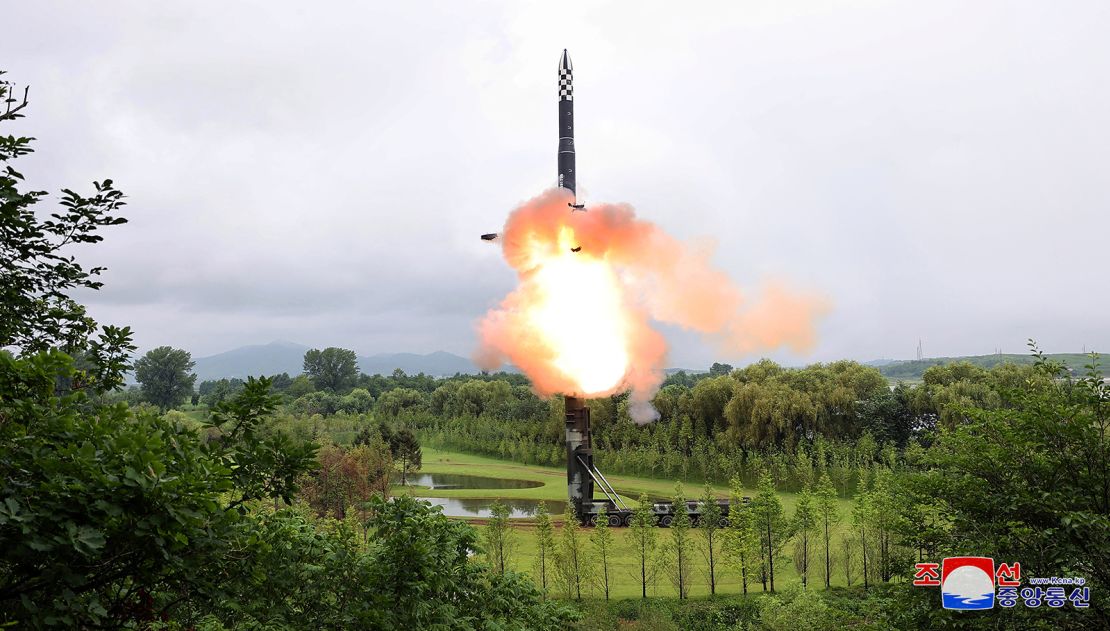
North Korea conducted a missile test on Friday, launching what is believed to be a short-range ballistic missile toward its eastern waters. This action comes as the regime intensifies its weapons testing activities, despite ongoing diplomatic stalemates with both Washington and Seoul.
According to South Korea’s Joint Chiefs of Staff, the missile traveled approximately 700 kilometers (434 miles) across the country before landing in the eastern waters. The launch was reportedly fired from an inland area near the western county of Taekwan. South Korean and U.S. intelligence agencies had been monitoring the preparations for the test and are currently analyzing the details of the launch. In response, South Korea has heightened its surveillance and vigilance, sharing relevant information with the United States and Japan.
Japanese Prime Minister Sanae Takaichi stated that the missile likely landed in waters outside Japan’s exclusive economic zone and did not cause any damage. However, North Korea has not yet confirmed the launch.
Escalation in Weapons Testing
North Korea has significantly increased the frequency of its weapons testing in recent weeks. This includes the firing of purported hypersonic missiles and cruise missiles last month, which the regime claimed enhanced the capabilities of its nuclear-armed military. These tests have raised concerns among regional allies and the international community.
Earlier in the week, South Korea’s military reported detecting 10 rounds of artillery being fired into its western waters on Monday. This occurred during the visit of U.S. Defense Secretary Pete Hegseth to South Korea. The joint chiefs also noted that the same number of artillery rounds were fired on Saturday afternoon, just before a summit between South Korean President Lee Jae Myung and Chinese President Xi Jinping in Gyeongju.
During the summit, President Lee called for a more active role from Beijing in encouraging North Korea to return to dialogue with Washington and Seoul. Following this, Hegseth praised South Korea’s plans to increase military spending in response to North Korean nuclear threats and other regional uncertainties.
Kim Jong Un’s Shift in Foreign Policy
Since his failed diplomacy with U.S. President Donald Trump in 2019, North Korean leader Kim Jong Un has avoided all forms of talks with Washington and Seoul. Instead, he has focused on expanding his nuclear program and strengthening ties with Russia. This shift has led to the deployment of thousands of North Korean troops and significant military equipment to support Russia’s war in Ukraine.
Kim’s arsenal now includes nuclear-capable missiles targeting U.S. allies in Asia and the U.S. mainland. At a major military parade in Pyongyang last month, attended by high-level officials from Russia, China, and Vietnam, Kim showcased some of the most powerful weapons in his arsenal, including a new intercontinental ballistic missile that may be prepared for testing in the coming weeks.
Rejection of Diplomatic Overtures
Kim has urged Washington to abandon its demand for North Korea to surrender its nuclear weapons as a precondition for resuming diplomatic discussions. He ignored Trump’s proposal to meet while the American president was in South Korea for meetings with world leaders attending the Asia-Pacific Economic Cooperation summit in Gyeongju.
On Thursday, North Korea denounced the Trump administration’s latest sanctions targeting cybercrimes that help fund its illicit nuclear weapons program. The regime accused Washington of harboring “wicked” hostility toward Pyongyang and vowed unspecified countermeasures. Some experts suggest that this statement indicates North Korea does not have an immediate urgency to restart talks with Washington.