
Addressing Sexual Violence: A Call for Collective Action in Gushegu
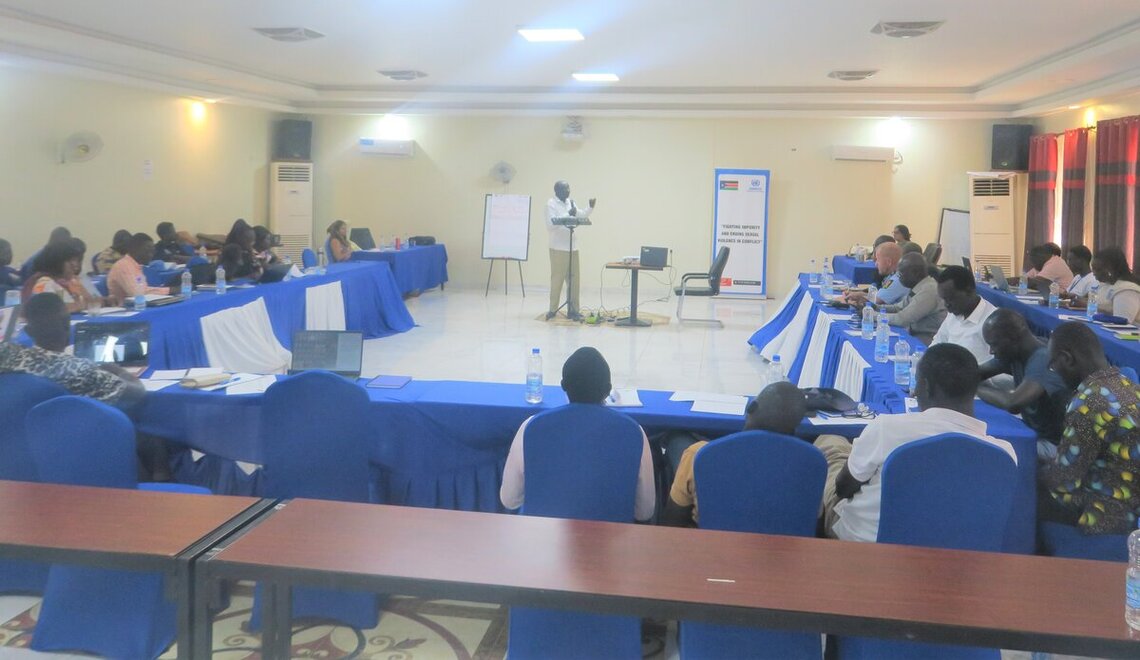
Stakeholders in the Gushegu Municipality of the Northern Region have taken a renewed stance to enhance collaboration and advocacy efforts aimed at reducing incidents of sexual violence, spousal rape, and other forms of gender-based violence. This commitment was reaffirmed during a stakeholders’ workshop held in Gushegu, focusing on raising awareness, promoting survivor-centered care, and strengthening coordination among key institutions responsible for preventing and responding to such issues.
The event brought together representatives from various sectors including the Department of Social Welfare and Community Development, Ghana Police Service, Ghana Health Service, traditional authorities, community-based organizations, and women’s groups. The workshop was organized by the Pan African Organisation for Research (PAORP-VWC) with support from the African Women Development Fund (AWDF).
Understanding the Scope of Sexual Violence
During the workshop, Ms. Amshanatu Seidu, a Social Welfare Officer from the Department of Social Welfare and Community Development, provided insights into the nature of sexual violence. She explained that it involves any sexual act carried out against a person’s will through force, coercion, manipulation, or abuse of power. Seidu emphasized that both men and women can be victims of sexual violence, with perpetrators often being family members, acquaintances, or strangers.
She highlighted that acts such as rape, sexual assault, spousal rape, sexual harassment, and sexual exploitation are serious violations of human rights, leading to severe physical, psychological, and social consequences. Factors contributing to these issues include mental health challenges, relationship conflicts, substance abuse, lack of education, and societal silence or stigma surrounding abuse.
Survivor-Centered Approach and Institutional Collaboration
Seidu called for a survivor-centered approach to support victims, emphasizing that survivors have the right to information, medical care, counseling, non-discrimination, confidentiality, and legal protection. She urged stronger collaboration among the Police, Health, and Social Welfare services to ensure justice and reintegration for survivors.
Corporal Daniel Ediemu of the Ghana Police Service, Gushegu Division, outlined the legal framework for addressing sexual violence and spousal rape. He noted that spousal rape is a criminal offense punishable under the law. Ediemu reiterated the Police’s commitment to handling such cases with professionalism and sensitivity, using trauma-informed approaches in investigations and survivor interactions.
He stressed the importance of timely reporting, evidence collection, and collaboration between law enforcement, health facilities, and social welfare institutions to ensure accountability and justice for survivors. He added, “Building a community that values justice and respect requires all institutions; traditional, legal, and social, to work together. Sexual violence is not a private issue but a collective societal concern.”
The Role of Health Services in Prevention
Mr. Mohammed Hamid, a representative from the Ghana Health Service, highlighted the connection between sexual and reproductive health and the prevention of sexual violence. He explained that maintaining good reproductive health involves regular medical check-ups, healthy nutrition, physical exercise, and access to family planning services. Hamid added that sexual and reproductive health education helps individuals make informed decisions and reduces vulnerability to abuse, especially among women and young girls.
Creating Safe Spaces and Challenging Cultural Norms
Participants discussed the importance of creating safe spaces for reporting and supporting survivors, conducting continuous education campaigns, and challenging cultural practices that normalize sexual abuse and silence victims. Key resolutions from the workshop included strengthening institutional coordination, promoting community awareness, enhancing access to survivor support services, and enforcing existing laws against perpetrators.
They also called on community leaders, religious figures, and civil society groups to play proactive roles in preventing sexual violence and supporting victims in their path to recovery.
Moving Forward
The workshop underscored the need for a multi-faceted approach involving all sectors of society to address the complex issue of sexual violence. By fostering collaboration, promoting awareness, and implementing effective policies, the Gushegu community aims to create a safer environment for all its residents.