
Political Unrest and Legal Charges in Tanzania
More than 100 individuals have been accused of “intention to obstruct” the October 29 election, which saw President Samia Suluhu Hassan run virtually unopposed. The opposition claims that the election was illegitimate and that post-election violence led to hundreds of deaths.
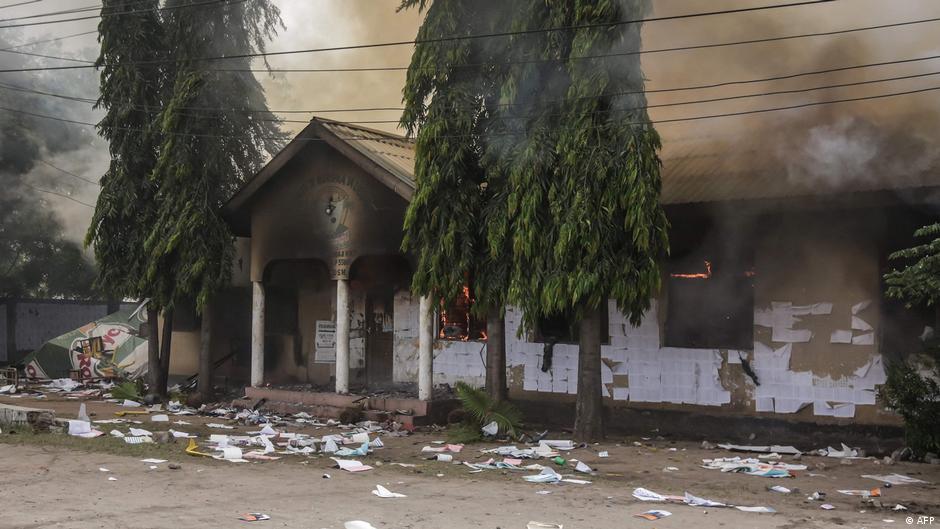
A Tanzanian court on Friday charged scores of people with treason following violent protests that erupted after a controversial election. According to court filings, those indicted were accused of “intention to obstruct” the election, as well as intimidating the executive and damaging government property.
News agencies Reuters and AFP reported that well over 100 people were charged, citing legal sources. None of the accused were public figures. Paul Kisabo, a lawyer with the Tanzania Human Rights Defenders Coalition, told AFP that some of the accused had been beaten and were sick, without receiving any medical treatment.
Election Results and Disputes
According to Tanzania’s electoral commission, President Samia Suluhu Hassan won the election with 98% of the vote. Hassan, who leads the ruling Chama cha Mapinduzi (CCM), ran virtually unopposed. The main opposition party, Chadema, boycotted the election after its leader, Tundu Lissu, was imprisoned on treason charges. The other main opposition candidate, Luhaga Mpina of the ACT-Wazalendo party, was disqualified by the electoral commission.
The African Union stated that its observers concluded the election did not meet “international obligations and standards for democratic elections.” Amnesty International has also accused Tanzania of a broader crackdown on the opposition, including enforced disappearances, arbitrary arrests, and extrajudicial killings.
Widespread Protests and Government Response
The disputed election sparked widespread turmoil in the East African country. Tanzania’s main opposition party, Chadema, claimed that several hundreds of people were killed in a crackdown on the protests. However, the government has alleged that the figure is exaggerated but has not provided its own death toll.
In response to the unrest, Tanzania imposed a six-day internet shutdown and a nationwide curfew to curb the protests. The situation has raised concerns about civil liberties and the rule of law in the country.
Ongoing Concerns and International Reactions
International organizations and human rights groups have expressed concern over the political climate in Tanzania. The African Union’s statement highlighted the lack of compliance with democratic election standards. Meanwhile, Amnesty International has drawn attention to the broader pattern of repression against the opposition.
As the situation continues to unfold, the international community remains watchful of developments in Tanzania. The accusations of election fraud, the subsequent violence, and the government’s response have all contributed to a growing sense of instability and uncertainty in the region.
Key Points Summary
- Over 100 people were charged with treason following violent protests in Tanzania.
- The election resulted in President Samia Suluhu Hassan winning 98% of the vote, with no major opposition candidates.
- The African Union and Amnesty International have criticized the election process and the government’s actions.
- Opposition parties claim hundreds were killed during the post-election protests, while the government disputes these figures.
- The government imposed an internet shutdown and curfew to manage the unrest.