
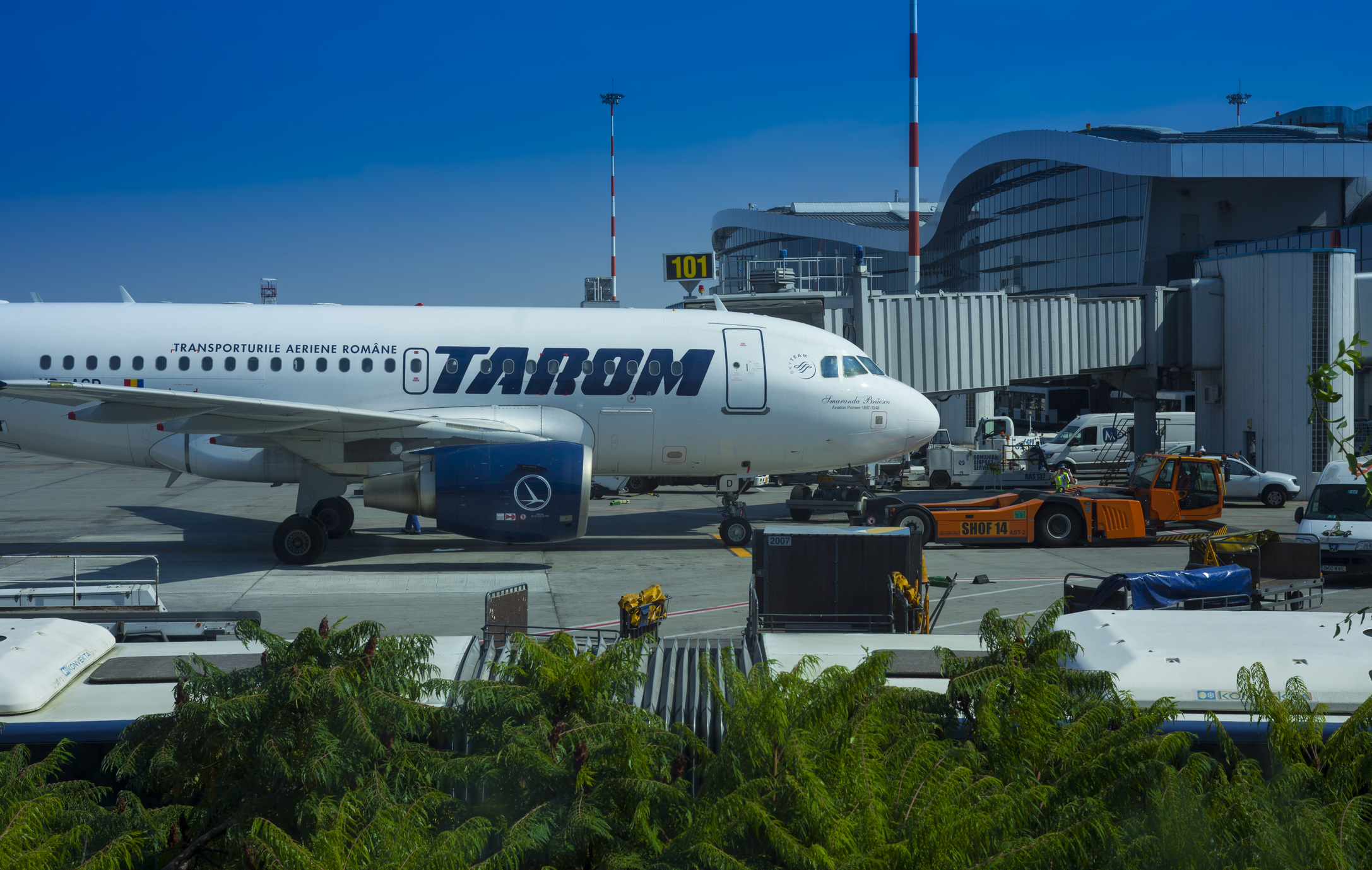
Tarom Seeks Additional State Aid to Stabilize Liquidity
Romania’s national airline, Tarom, has formally requested the government to release a new portion of state aid that was approved in 2024. This move comes as the company faces growing financial challenges due to late payment penalties and other obligations to its creditors. According to reports, these issues could destabilize Tarom’s cash flow and potentially jeopardize the entire restructuring process.
The European Commission had previously authorized individual restructuring state aid for Tarom, with a maximum allocation of RON 227 million (approximately EUR 45.59 million). So far, RON 113 million has been disbursed during the 2023-2024 period. However, no further disbursement is currently planned for 2025, which has raised concerns among the airline’s management.
Tarom has implemented several measures under its restructuring plan, which contributed to a significant gross profit of RON 292.2 million (around EUR 58 million) in 2024. This positive performance is seen as a result of cost-cutting initiatives and operational improvements. The profits from this year are expected to help offset some of the losses incurred in previous years.
Despite these gains, the airline has projected a much lower gross profit for 2025—only RON 2.38 million. This sharp decline highlights the ongoing financial pressures facing Tarom, even after the initial success of its restructuring efforts.
Key Financial Highlights
- Total Restructuring Aid Approved:RON 227 million (EUR 45.59 million)
- Amount Disbursed (2023–2024):RON 113 million
- Gross Profit (2024):RON 292.2 million (EUR 58 million)
- Projected Gross Profit (2025):RON 2.38 million
These figures underscore the difficult position Tarom is in, despite some recent positive results. The airline is now urging the government to reconsider its stance on the 2025 disbursement to ensure continued stability.
Challenges Ahead
One of the main challenges Tarom faces is the accumulation of late payment penalties. These penalties have added to the company’s financial burden, making it harder to maintain a healthy cash flow. Additionally, the airline has multiple claims from creditors that must be addressed, further complicating its financial situation.
The restructuring process, which was designed to stabilize Tarom’s finances and improve long-term sustainability, could be at risk if the necessary funds are not made available. Without additional support, the airline may struggle to meet its obligations and continue operating effectively.
Future Outlook
While Tarom has shown signs of recovery in 2024, the outlook for 2025 remains uncertain. The company will need to carefully manage its resources and explore alternative funding options to bridge the gap between its current financial position and future projections.
The government’s decision on whether to approve the next tranche of state aid will be crucial in determining the airline’s ability to navigate these challenges. If the aid is not provided, Tarom may face even greater difficulties in maintaining its operations and fulfilling its commitments.
As the situation unfolds, stakeholders will be closely watching how the airline and the government respond to these financial pressures. The outcome could have significant implications for the future of Romania’s flag carrier and the broader aviation sector.