
Addressing Terrorism and Extremism in West Africa
Omar Alieu Touray, President of the ECOWAS Commission, has expressed deep concern over the impact of terrorism and violent extremism on the socio-economic conditions of people in West Africa over the last decade. His remarks were made during the closing ceremony of the first West African Islamic conference on security and governance, which took place in Abuja on Thursday.
The three-day event, organized by Jam’iyyatu Ansariddeen Atijjaniyya in partnership with ECOWAS, aimed to develop and implement an action plan that highlights the role of Islamic organizations in countering terrorism and violent extremism in West Africa and the Sahel through non-kinetic strategies.
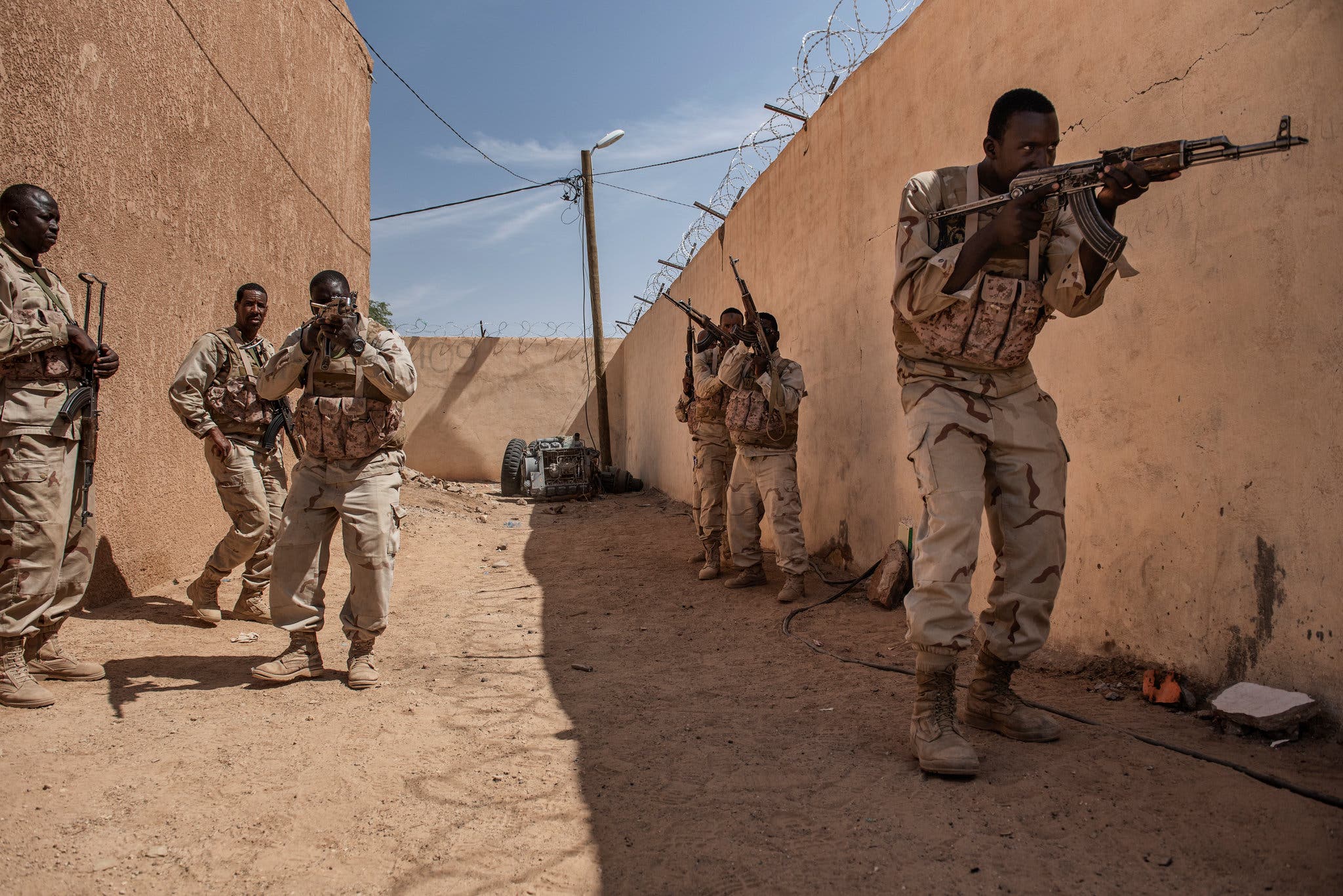
Touray emphasized that West Africa and the Sahel have become the frontline in the global fight against terrorism. He pointed out that the 2025 Global Terrorism Index (GTI) report indicates a significant shift in global terrorism patterns, with Africa emerging as the new hub for terrorist activities. The Sahel region, in particular, has witnessed a dramatic rise in terrorist operations.
Touray also highlighted that ECOWAS has prioritized both non-kinetic and kinetic strategies to address the threat of terrorism. According to him, the Regional Action Plan Against Terrorism outlines various initiatives that involve multiple actors from both state and non-state institutions.
“Terrorism and violent extremism are threats that take root within our communities,” he said. “Although prevention is better than cure, we must now focus on preventing extremism and tackling terrorism wherever it occurs. In a region with a youthful population, it is crucial to pay attention to the situation of these youths and channel their energies into positive activities.”
The current Emir of Kano, Muhammadu Sanusi II, who was the Royal Father of the Day, also voiced his concerns about the destruction and killings caused by terrorists and extremists in the sub-region.
“Let us work together to implement the recommendations and strategies outlined in this declaration,” he said. “Let us empower Islamic organizations to promote a culture of peace, tolerance, and co-existence, as guided by the Prophet.”
He further added, “Let us strive to create a region where every individual can live in peace, security, and dignity. Let us work together to build a brighter future for our children and our communities.”
At the conclusion of the conference, stakeholders called for continued collaboration between Muslims and Christians in West Africa to combat terrorism and religious extremism in the sub-region.
While acknowledging the importance of empowering communities as active agents of security to foster resilience, social cohesion, and long-term stability in the fight against violent extremism, the conference also stressed the need to recognize that terrorists are indifferent to the faith of individuals.
Participants urged collaboration between governments, scholars, and security agencies to strengthen counter-terrorism education, promote interfaith dialogue, and enhance social inclusion.
They concluded that empowering Islamic leadership is essential for achieving sustainable peace, national security, and community resilience against terrorism.