
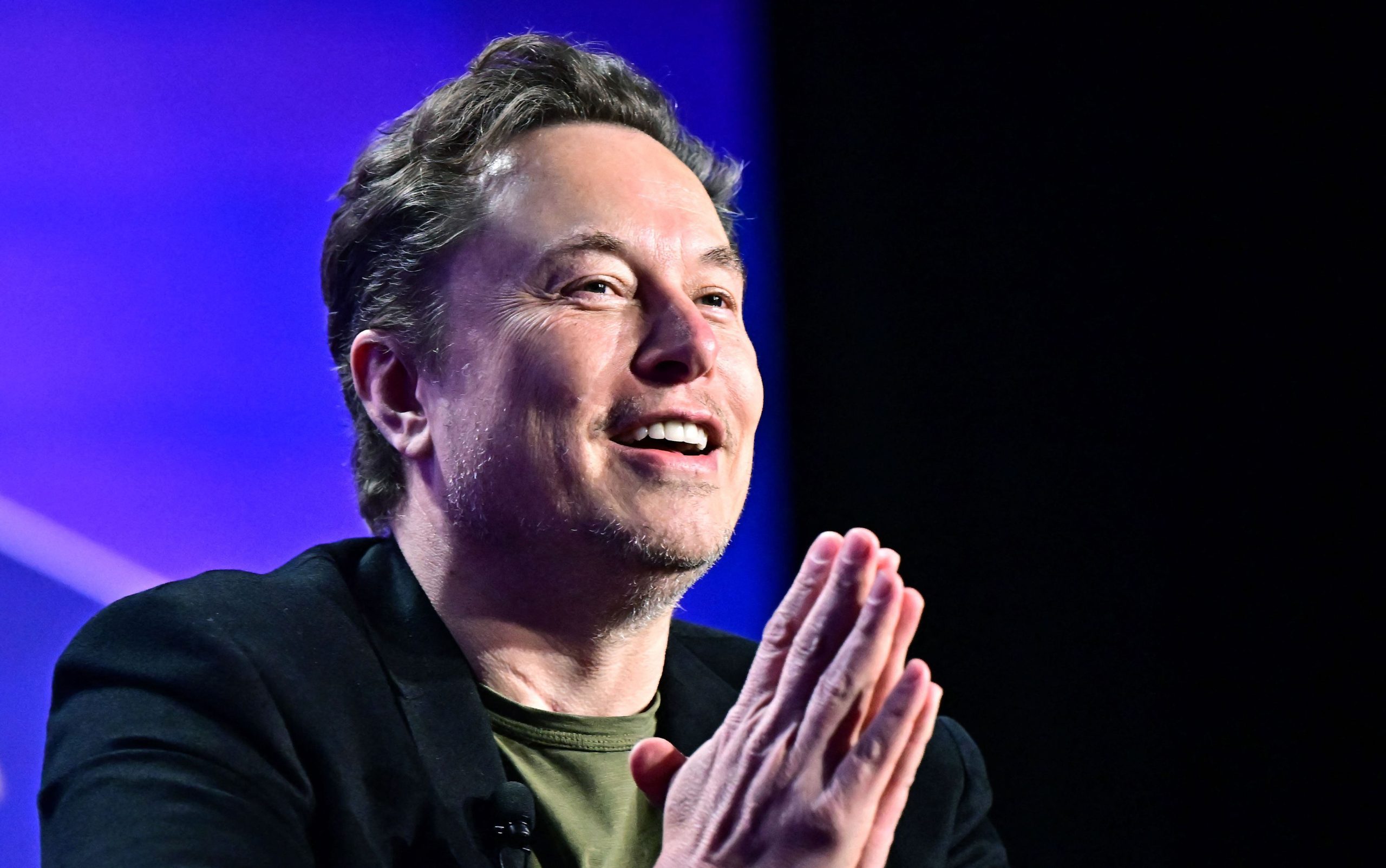
The Approval of a $1 Trillion Compensation Plan for Elon Musk
At a recent shareholder meeting, a compensation plan worth approximately $1 trillion (about 1,450 trillion Korean won) for Elon Musk, the CEO of Tesla, was finally approved. This decision came after facing significant opposition from some stakeholders. The proposal received backing from over 75% of the shareholders present at the meeting. Musk, who holds between 13% and 15% of Tesla’s shares, reportedly participated in the voting process.
Despite the resistance from major shareholders, including Norway’s Sovereign Wealth Fund, the plan was passed due to strong support from individual investors. The compensation package is structured in a way that Musk would receive 423 million shares—roughly 12% of Tesla’s total common stock—by 2035. These shares would be distributed in 12 installments if he meets specific milestones. These include increasing Tesla’s market capitalization to $8.5 trillion (which is six times its current value), delivering 20 million vehicles, securing 10 million FSD (Full Self-Driving) software subscriptions, deploying 1 million humanoid robots, operating 1 million robotaxis commercially, and generating $400 billion in pre-tax earnings (EBITDA).
The value of this unprecedented compensation package has drawn considerable criticism. If Musk secures all the shares, his stake in Tesla could surpass 25%, significantly increasing his influence over the company.
Market Reaction and Future Plans
Tesla’s stock price had declined by 3.5% during regular trading on the New York Stock Exchange. However, following the shareholder vote, the stock rebounded by over 2% in after-hours trading. This indicates that the market’s reaction to the approval of the compensation plan was mixed but ultimately positive.
During the meeting, Musk also shared insights into Tesla’s future plans regarding AI chips. He revealed that the next-generation AI chips will be produced at Samsung Electronics’ factories in South Korea and TSMC’s facilities in Texas, Arizona, and Taiwan. Earlier, Musk had mentioned that Samsung and TSMC would jointly produce the AI5 chip, and this statement clarified the production locations.
Musk expressed concerns about securing enough chips for Tesla’s operations. “One of my concerns is how to secure enough chips,” he stated. In addition, he mentioned considering the construction of Tesla’s own chip manufacturing facilities to ensure a faster supply chain. “While we might collaborate with Intel, even the best-case scenario for chip production remains insufficient. We may need to construct Tesla’s own fabrication plant,” Musk added.
Key Milestones and Strategic Moves
The compensation plan is tied to several key performance indicators that Musk must achieve:
- Increasing Tesla’s market capitalization to $8.5 trillion
- Delivering 20 million vehicles
- Securing 10 million FSD software subscriptions
- Deploying 1 million humanoid robots
- Operating 1 million robotaxis commercially
- Generating $400 billion in pre-tax earnings (EBITDA)
These milestones reflect Tesla’s ambitious goals and the expectations placed on Musk as the company continues to push the boundaries of electric vehicle and autonomous technology.
In addition to the compensation plan, Musk’s comments on chip production highlight the strategic importance of securing reliable and efficient manufacturing capabilities. The collaboration with Samsung and TSMC, along with potential in-house production, underscores the critical role of technology in Tesla’s long-term vision.
As Tesla moves forward, the approval of this compensation plan and the discussions around chip production signal a pivotal moment for the company. The decisions made now will shape the future of Tesla and its position in the global automotive and tech industries.