
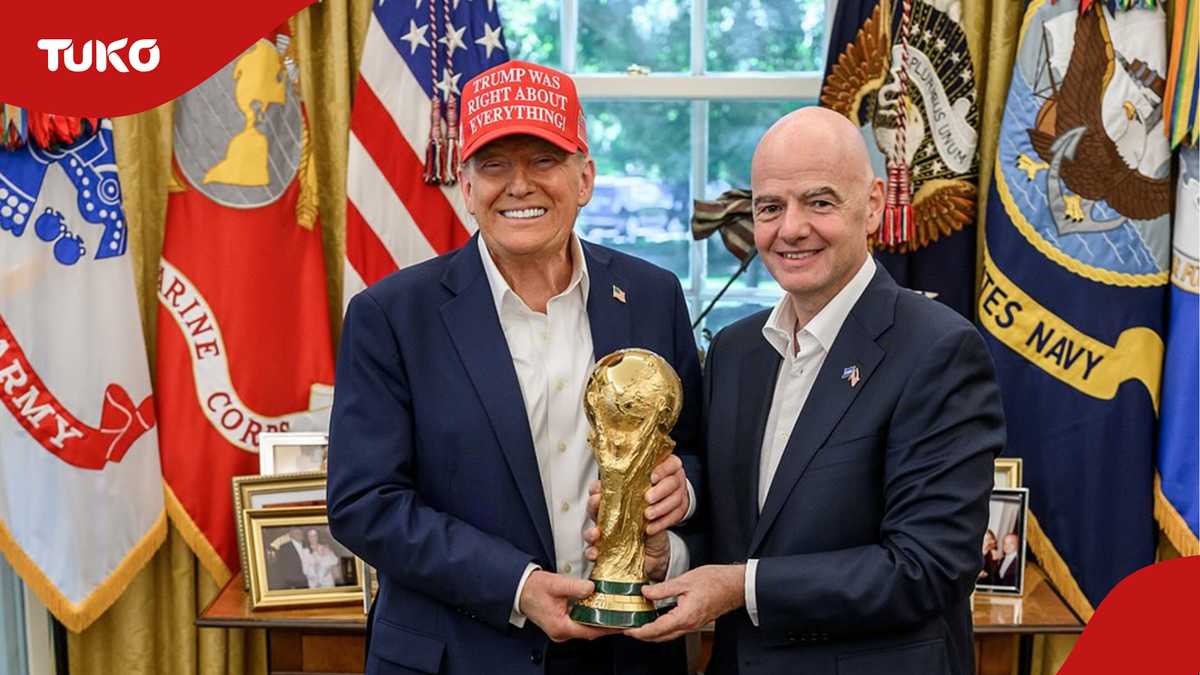
Donald Trump’s Impact on the 2026 FIFA World Cup
Donald Trump has once again stirred up controversy surrounding the 2026 FIFA World Cup, which is set to be hosted by the United States, Mexico, and Canada. His recent statements about the event have created uncertainty among the host cities, raising concerns about the potential relocation of matches due to security issues.
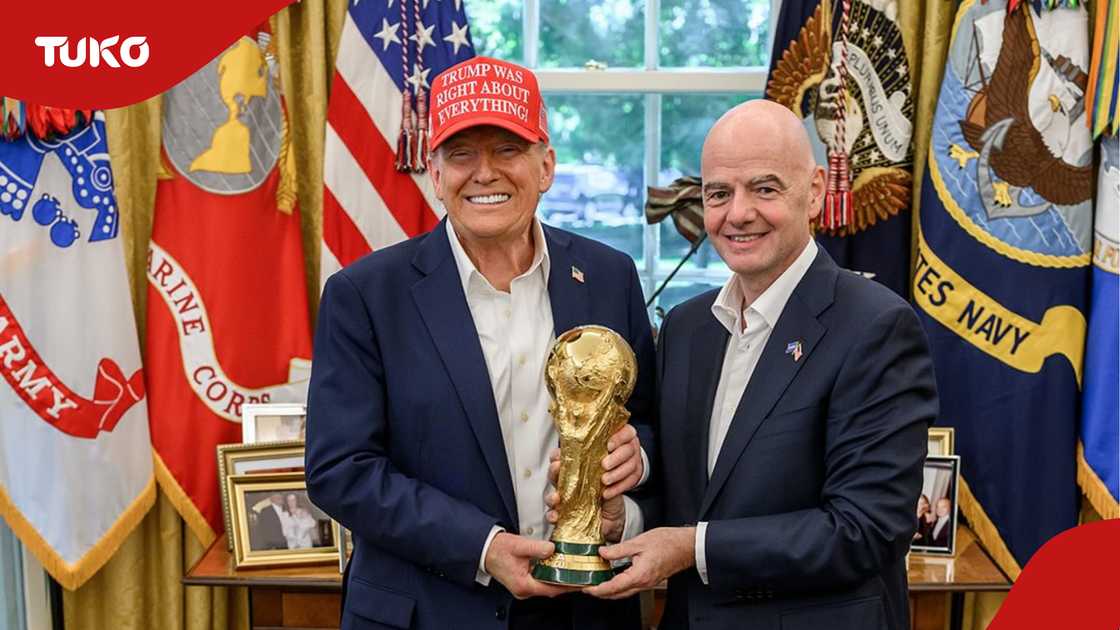
Security Concerns and Political Tensions
The American president has repeatedly warned that he would not hesitate to move some games if there are perceived security threats. He has specifically highlighted cities such as Boston, Seattle, San Francisco, and Los Angeles as areas of concern. Trump emphasized that if any city is deemed even slightly dangerous for the World Cup, he would take action to relocate the matches.
His comments have put him at odds with FIFA vice-president Victor Montagliani, who reminded the president that the tournament falls under FIFA’s jurisdiction, not the U.S. government. Despite this, Trump’s remarks continue to cause tension and uncertainty.
Host Cities Struggle with Sponsors
FIFA has agreements with specific host cities to host the World Cup, but it also requires the national government to provide security. However, Trump’s threats have led to challenges for the host cities in securing sponsorships. While FIFA holds exclusive rights inside the stadium, cities can still attract their own sponsors for fan zones and non-competing categories.
Executives in the host cities have expressed concerns that the political threats could deter sponsors from committing to support the event. Bob Lynch, a former partnerships executive, explained that when such threats are present, brands tend to delay their decisions, waiting to see how things unfold.
New York Mayor-Elect Opposes FIFA’s Ticket Policy
In another development, New York mayor-elect Zohran Mamdani has voiced his opposition to FIFA’s ticket pricing policy for the 2026 World Cup. Mamdani, who will take office in January, is a passionate football fan and a supporter of Premier League club Arsenal.
FIFA’s dynamic pricing model has drawn criticism, leading Mamdani to launch a “Game over greed” petition. His stance highlights the growing concerns among local officials and fans about the cost and accessibility of tickets for the upcoming World Cup.
Challenges Ahead for the 2026 World Cup
With less than eight months until the 2026 World Cup begins, the host cities are still facing numerous hurdles. The political climate, security concerns, and financial challenges all contribute to the complexity of organizing such a massive international event.
Despite these challenges, the collaboration between the United States, Mexico, and Canada remains crucial. The success of the tournament will depend on the ability of all parties involved to work together and address the issues at hand.
Conclusion
As the 2026 FIFA World Cup approaches, the involvement of political figures like Donald Trump and local leaders like Zohran Mamdani continues to shape the narrative around the event. The balance between security, sponsorship, and ticket pricing will be key to ensuring a successful and memorable World Cup for fans and participants alike.