
A Call for Action from Southern Kaduna Christian Leaders
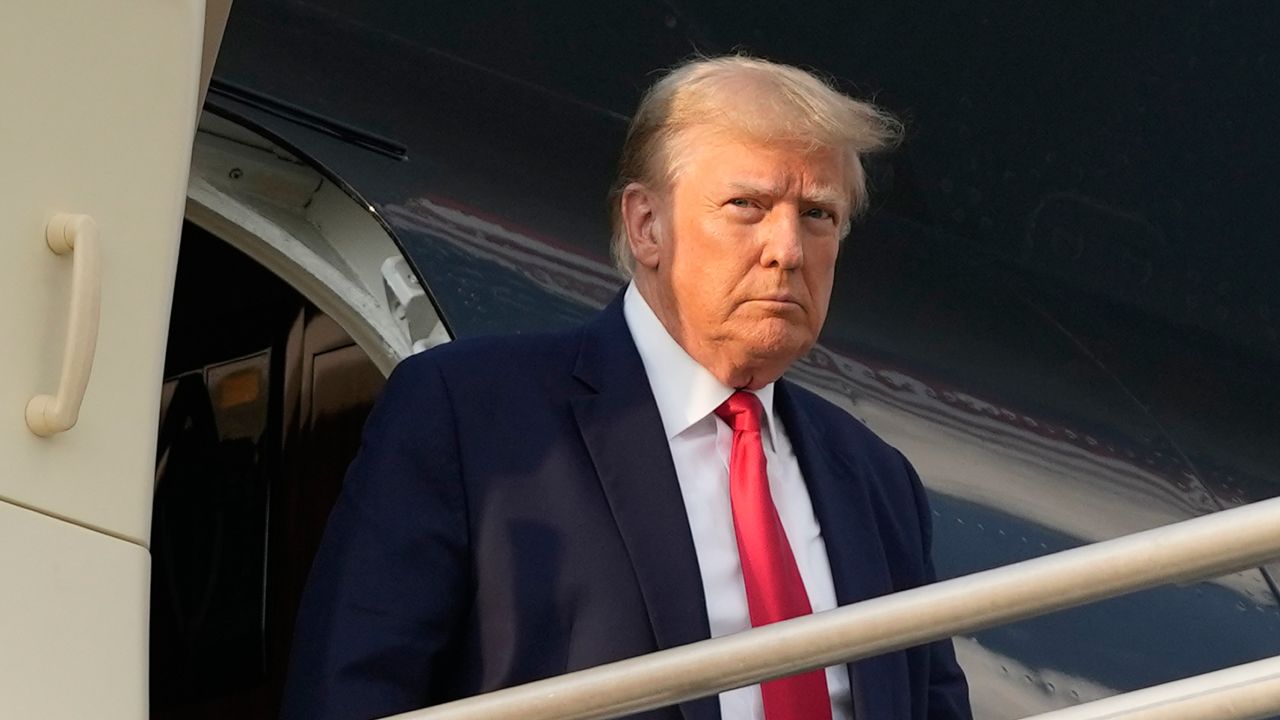
The Chairman of the Southern Kaduna Christian Leaders Association, Apostle Dr. Emmanuel Kure, has expressed strong support for the recent designation of Nigeria as a “Country of Concern” by former U.S. President Donald J. Trump. He described this move as a welcome development and a “long-overdue call to conscience.”
In a statement released to Arewa PUNCH on Tuesday, Apostle Kure emphasized that the U.S. action has drawn global attention to what he referred to as “the plight of Christians in Northern Nigeria.” He lamented that successive Nigerian governments have failed to address years of systematic marginalization and persecution.
“At last, someone, somewhere, has taken notice of the plight of Christians in Northern Nigeria, a plight our own government has consistently failed to acknowledge, let alone address,” the cleric stated.
Kure accused both Muslim and Christian political elites in the North of paying lip service to issues of justice, unity, and peaceful coexistence. He argued that their silence has enabled policies and practices that undermine minority Christian communities.
Institutional Discrimination and Religious Intolerance
The SKCLA chairman also highlighted institutional discrimination against Christians in northern institutions, including Bayero University and Sokoto University. He alleged that Christians were denied the right to build churches while mosques were permitted in abundance. This, he said, promotes religious intolerance and inequality.
“The sponsorship and protection of jihadists, forced marriages that destroy Christian homes, and denial of equal opportunities are all part of a sustained pattern of persecution,” he added.
Kure, a former National Secretary of the Pentecostal Fellowship of Nigeria, called on the Federal Government to establish a credible, independent panel of inquiry. This panel should be made up of courageous Nigerians to investigate allegations of targeted killings and discrimination in Benue, Plateau, and Southern Kaduna.
Recent Attacks and Government Inaction
According to him, recent attacks in Benue and Plateau, where there was no evidence of theft or criminality, revealed a deliberate “scorched-earth campaign” against Christian communities. He further criticized what he called the “half-hearted” government responses to insecurity in Borno and other parts of the North.
He pointed out that the continued killing of pastors and neglect of dangerous roads in Southern Kaduna were proof of the government’s inaction.
While commending the Kaduna State Government for taking early steps toward reform and peaceful coexistence, Kure urged the administration to deepen its commitment to fairness and justice.
“The church must begin to speak out by calling on the government to provide a level playing field for all religions to practice freely. The government must also listen to honest counsel, especially from Christians within its ranks,” he stated.
A Divine Correction and Historical Responsibility
Apostle Kure described Trump’s statement as “a divine correction” meant to provoke self-examination among African leaders. He noted that Britain also bears historical responsibility for Nigeria’s religious and ethnic divisions.
“Whether one calls it external interference or not, something must challenge the recklessness of African leaders who mortgage the future of their people. Time is running out, the moment of reckoning is now,” Kure warned.
The Path Forward
Kure’s remarks underscore the urgent need for action at both national and international levels. He emphasized the importance of addressing the systemic issues that have led to the marginalization of Christians in Northern Nigeria. His call for an independent inquiry highlights the necessity of transparency and accountability.
The situation in Nigeria reflects broader challenges related to religious freedom, governance, and social cohesion. As the country grapples with these issues, the voices of leaders like Kure serve as a reminder of the importance of standing up for justice and equality.
The international community, including the United States, has a role to play in supporting efforts to promote peace and stability in the region. However, the ultimate responsibility lies with Nigerian leaders to address the root causes of conflict and ensure the rights of all citizens are protected.