
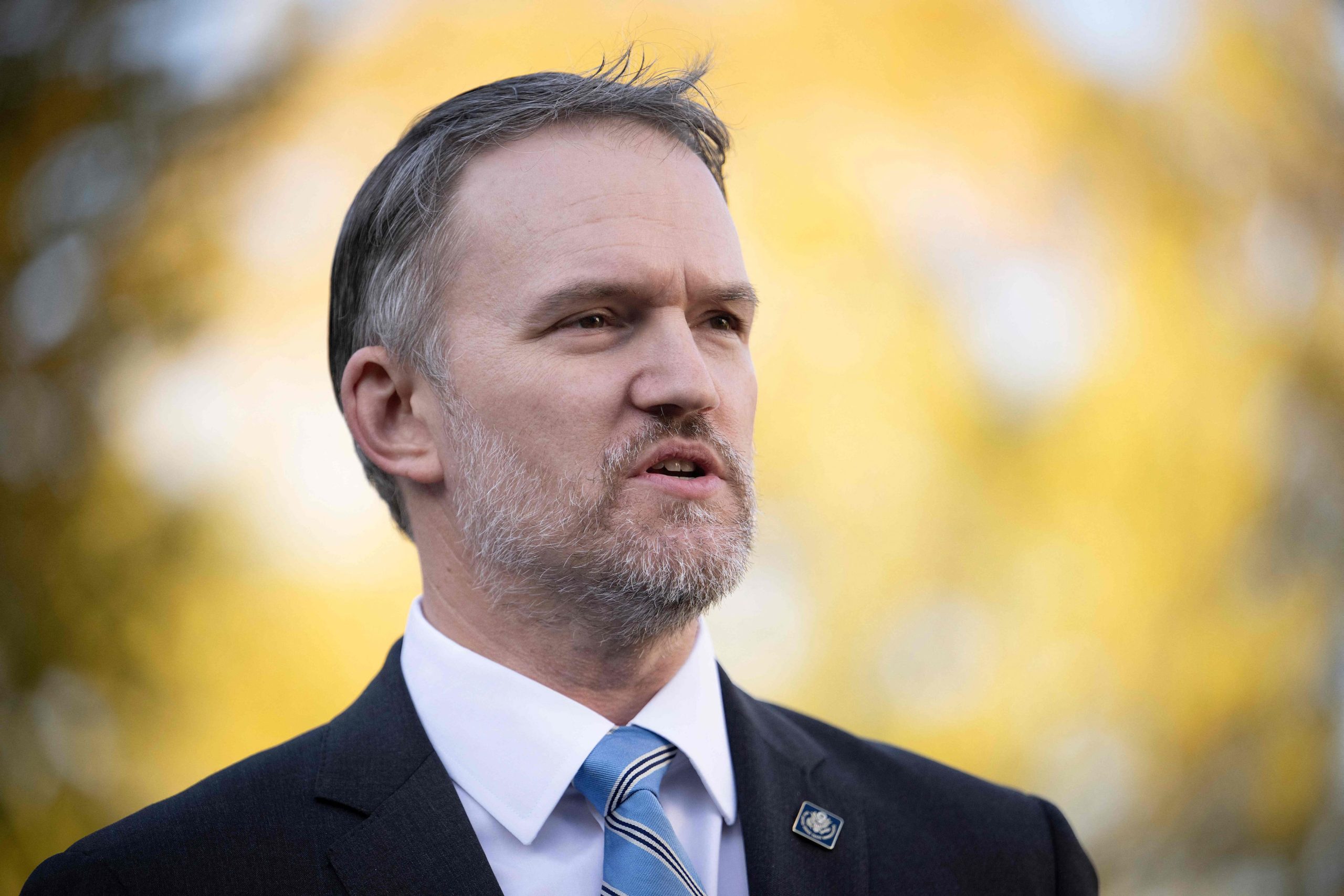
U.S. Trade Representative Warns of Potential $100 Billion Tariff Refunds
Jamieson Greer, the U.S. Trade Representative (USTR), made a significant statement on the 6th regarding potential tariff refunds if the Supreme Court rules that the Donald Trump administration’s tariffs were illegal. During an interview with Fox News, Greer addressed a hypothetical scenario where the government might lose the case. He said, “Under certain circumstances, specific plaintiffs would receive tariff refunds,” and added, “While the exact figure is unknown, I believe it would exceed $100 billion but be less than or around $200 billion.”
This warning comes after a day of intense oral arguments at the Supreme Court, where several justices, including some from the conservative side, expressed doubts about the legality of tariffs imposed under the International Emergency Economic Powers Act (IEEPA). Chief Justice John Roberts emphasized the traditional authority of Congress in setting tariffs, stating, “Tariffs have always been a core authority of Congress.”
If the Supreme Court ultimately decides that the tariffs are unconstitutional, companies could seek refunds. The process, however, is expected to be highly complex due to the large sums involved and the number of businesses affected. Justice Amy Coney Barrett, known for her conservative leanings, raised concerns during the previous day’s arguments, saying, “I think it could become a mess.” Greer acknowledged the complexity, stating, “We would likely need to work with the court to determine the refund timeline, the rights of the parties, and the government’s entitlements.”
National Security and Tariff Impact
Amid the legal proceedings, former President Donald Trump commented on the broader implications of the case. He told reporters, “Too much revolves around tariffs in terms of national security, and we secured a $350 billion trade agreement with South Korea thanks to tariffs.” Trump further emphasized the significance of the case, calling it “one of the most important cases in history.” He warned that a loss could have “devastating consequences for the U.S.” and suggested that the country might have to return “trillions of dollars” if the tariffs were overturned.
Regarding the government’s performance during the Supreme Court proceedings, Trump praised the team, saying, “I think they did a very good job,” but also advised, “We should prepare alternatives.”
Legal Challenges and Future Implications
The ongoing legal battle over the tariffs has sparked widespread concern among businesses and policymakers. The outcome of the case could set a precedent for how future administrations use their authority to impose tariffs. If the Supreme Court sides against the current administration, it may lead to a reevaluation of the legal framework governing international trade policies.
The potential for massive tariff refunds raises questions about the financial impact on both the government and private sector. Companies that paid these tariffs may find themselves in a complicated legal process to reclaim their funds. This situation could also influence future trade negotiations and the way the U.S. approaches its economic relationships with other countries.
As the legal proceedings continue, all eyes remain on the Supreme Court’s decision. The ruling could reshape the landscape of U.S. trade policy and have long-term effects on the economy. For now, stakeholders are preparing for a possible shift in how tariffs are implemented and enforced.