
Escalation of US Military Actions in the Caribbean
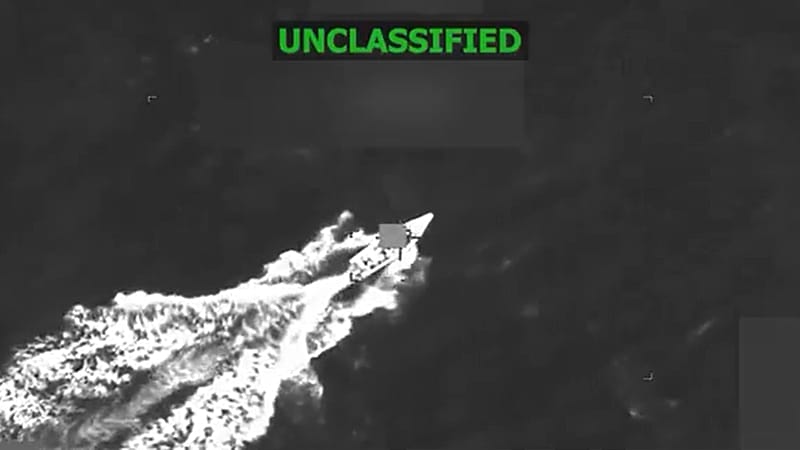
A recent deadly US strike on a vessel suspected of drug trafficking in the Caribbean Sea has once again drawn international attention. This incident marks another escalation in the military campaign launched under the Trump administration, which has resulted in at least 69 deaths across approximately 17 strikes in South American waters.
Defense Secretary Pete Hegseth confirmed the attack, stating that three individuals were killed aboard the vessel. He shared a 20-second video of the strike on social media, emphasizing the administration’s stance. “As we’ve said before, vessel strikes on narco-terrorists will continue until their poisoning of the American people stops,” he said. Hegseth claimed the vessel was operated by a designated terrorist organization, adding, “If you continue to traffic drugs, we will kill you.”
The justification for these strikes comes from former President Donald Trump, who has framed the actions as part of an “armed conflict” with drug cartels. He has also asserted that foreign terror organizations operate the boats involved in drug trafficking. However, the administration has not provided any evidence or additional details to support these claims.
Congressional Briefings and Political Reactions
Hegseth and US Secretary of State Marco Rubio recently briefed a small group of congressional leaders on the expanding military campaign. This meeting offered one of the first high-level insights into the legal rationale and strategy behind the strikes. The briefings aimed to outline the administration’s approach, but the lack of transparency has raised concerns among lawmakers.
Republicans have largely remained silent or expressed confidence in the campaign, while Democrats have called for more information on the procedures used in the strikes. Critics argue that these actions may violate both international and US law by targeting alleged drug smugglers on the high seas. The need for greater clarity on the legal framework and operational guidelines remains a pressing issue.
International Criticism and Regional Tensions
Venezuela and Colombia have strongly condemned the attacks, labeling them as extrajudicial killings. The Trump administration has dismissed these allegations, maintaining its position on the necessity of the strikes. However, the growing tensions in the region have led to increased fears of potential US military intervention on Venezuelan territory. Former President Trump has denied these possibilities, but the rhetoric from Washington has been intensifying.
Recent reports suggest that the US has escalated its rhetoric against the regime of President Nicolas Maduro in Venezuela. This heightened language has fueled concerns about possible military action, even though the administration continues to deny such intentions. The situation remains volatile, with regional stability hanging in the balance.
Ongoing Concerns and Future Implications
As the US continues its military campaign in the Caribbean, questions about the legality and effectiveness of these strikes persist. The lack of transparency from the administration has only added to the uncertainty surrounding these operations. With each strike, the risk of further escalation increases, raising concerns about the broader implications for international relations and regional security.
The situation highlights the complex interplay between national security, law enforcement, and international law. As the US moves forward with its strategy, the need for clear communication and adherence to legal standards becomes increasingly important. The coming months will likely see continued scrutiny of these actions, both domestically and internationally.