
Introduction to the Project
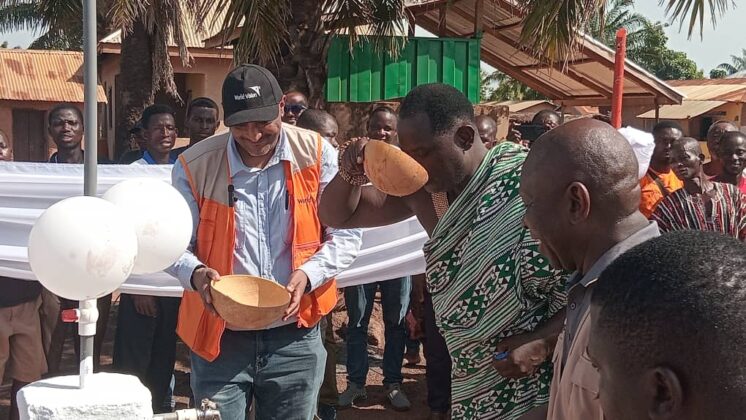
World Vision Ghana has recently launched a significant initiative aimed at improving access to clean water and sanitation in two key areas of the Oti Region. The project, which includes the commissioning of new water, sanitation, and hygiene (WASH) facilities, is expected to benefit over 27,900 people across the Krachi West Municipality and Krachi Nchumuru District. This development marks a crucial step towards achieving sustainable development and enhancing the quality of life for local communities.
Key Components of the WASH Facilities
The newly commissioned facilities are designed to address critical gaps in water and sanitation infrastructure. These include:
- Eight-seater toilets that promote better hygiene practices and reduce overcrowding.
- Solar-powered water systems that provide a reliable and eco-friendly source of clean water.
- Standpipes and taps strategically placed across eight communities to ensure easy access to water for daily use.
These components collectively aim to improve community health and support overall development by reducing the prevalence of waterborne diseases and promoting better sanitation habits.
Emphasis on Sustainable Development Goals
Mr. Irvine Aboagye, the Southern Regional Operations Manager of World Vision, highlighted the importance of Sustainable Development Goal 6 (SDG 6). This goal focuses on ensuring access to clean water and sanitation for all. Mr. Aboagye emphasized that achieving SDG 6 is not only essential for public health but also plays a vital role in the success of other Sustainable Development Goals.
He urged the beneficiary communities to take ownership of the facilities and maintain them to ensure their long-term sustainability. By fostering a sense of responsibility among the residents, the project aims to create a lasting impact on the communities it serves.
Call to Action from Community Leaders
Mr. Rebel Wamisho, the Associate WASH Director of World Vision, echoed the call for community involvement. He encouraged chiefs and community leaders to safeguard the facilities for future generations. This collective effort is seen as crucial to ensuring that the benefits of the project continue to be felt for years to come.
Mr. Wamisho also assured residents that the water systems were constructed using high-quality, stainless-steel materials that are free of harmful chemicals. This commitment to quality ensures that the facilities are safe and durable, providing reliable service to the communities.
Importance of Community Engagement
Community engagement is a cornerstone of this project. By involving local leaders and residents in the maintenance and management of the facilities, World Vision aims to build a sense of ownership and pride within the communities. This approach not only enhances the effectiveness of the project but also empowers the communities to take charge of their own development.
Conclusion
The commissioning of the WASH facilities in the Krachi West Municipality and Krachi Nchumuru District represents a significant milestone in the fight against water scarcity and poor sanitation. Through the collaborative efforts of World Vision and the local communities, this project sets a strong foundation for sustainable development in the region. As the communities embrace their roles in maintaining these facilities, the positive impact on public health and overall well-being is expected to grow significantly.