
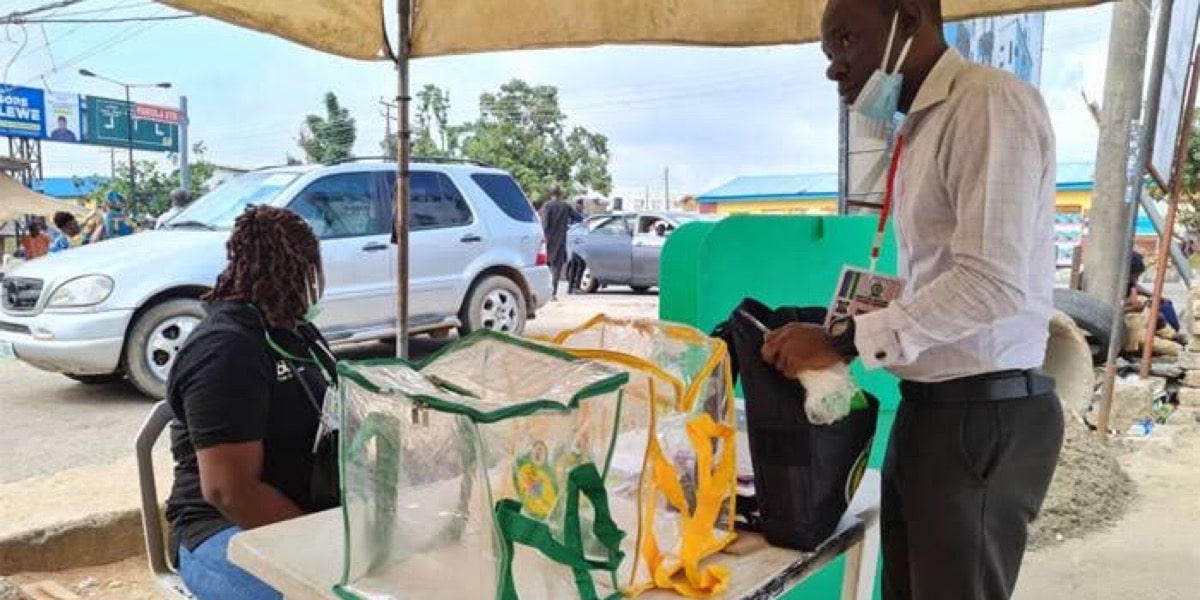
Decline in Voter Participation in Anambra State Raises Concerns
A recent analysis by the Kimpact Development Initiative (KDI) has uncovered a significant drop in voter participation in Anambra State, with a decrease of over 58 per cent over the past eight years. This decline occurs despite an ongoing increase in voter registration numbers. The findings were presented during a press briefing in Awka, where KDI’s Executive Director, Bukola Idowu, highlighted the growing disengagement and loss of trust among voters in Nigeria’s electoral system.
The research, conducted as part of the Strengthening Electoral Accountability Project, identified several key challenges contributing to the low voter turnout. These include inadequate logistical support, rising insecurity, and the difficult geographical conditions faced by residents in riverine communities. The report suggests that these factors have significantly hindered the ability of citizens to cast their votes effectively.
Regional Disparities in Voter Engagement
Among the various senatorial districts in Anambra State, the Anambra North Senatorial District stands out for having the highest number of registered voters. However, it also experiences the lowest voter participation rates. Local councils such as Anambra East, Anambra West, and Ogbaru are particularly affected by issues related to accessibility and voter fatigue. These areas face challenges in ensuring that voters can reach polling stations easily and remain motivated throughout the voting process.
The KDI report also pointed out operational and security concerns ahead of the upcoming governorship election. Certain local councils, including Aguata and Ihiala, are identified as potential hotspots for violence. While the group acknowledged the efforts made by the Independent National Electoral Commission (INEC) in preparing for the election, Idowu emphasized the need for timely deployment of staff and materials, as well as a visible but non-threatening presence of security agencies.
Calls for Peaceful Participation and Electoral Integrity
In light of these concerns, KDI urged voters to participate in the election peacefully. The organization stressed that the credibility of the electoral process depends on transparency, coordination, and restraint from political actors. It called for a collective effort to ensure that the election is conducted in a fair and secure manner.
The report serves as a reminder of the complex challenges facing electoral processes in regions like Anambra State. As the country prepares for the governorship election, the need for effective communication, improved logistics, and strong security measures becomes even more critical.
Key Challenges Identified by KDI
- Poor Logistics: Inadequate planning and resource allocation have led to inefficiencies in the electoral process.
- Insecurity: Rising incidents of violence and threats in certain areas create an environment of fear among voters.
- Geographical Barriers: Difficult terrain and limited access to polling stations in riverine communities further discourage participation.
- Voter Fatigue: Repeated elections and long queues at polling stations have led to a sense of exhaustion among voters.
Recommendations for Improvement
To address these challenges, KDI proposed several recommendations aimed at improving voter engagement and ensuring a smooth electoral process:
- Enhanced Logistical Planning: Ensuring that polling stations are adequately equipped and staffed, with sufficient materials available.
- Improved Security Measures: Deploying security personnel in a way that is both visible and non-intrusive to prevent intimidation.
- Community Engagement: Conducting awareness campaigns to educate voters about the importance of participating in elections.
- Collaboration Between Stakeholders: Encouraging cooperation between INEC, security agencies, and civil society organizations to address common challenges.
As the election approaches, the role of organizations like KDI in monitoring and supporting the electoral process remains crucial. Their insights and recommendations provide valuable guidance for improving voter participation and upholding the integrity of the democratic process.