
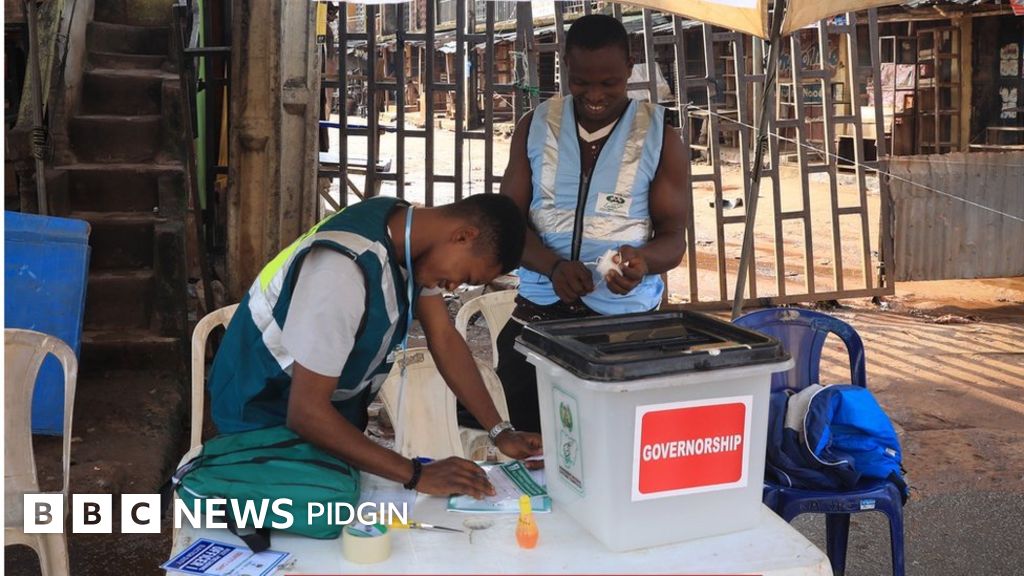
Voter Complaints Over Low Payment for Voting in Anambra State
Some voters in Obosi, located within the Idemili North Local Government Area of Anambra State, have raised concerns about receiving only ₦1,000 as compensation for their votes during the current governorship election. This issue has sparked discussions among residents and raised questions about the fairness of the process.
A woman who spoke with the Anambra Broadcasting Service (ABS) shared her frustration over the amount offered. She mentioned that the sum was significantly low compared to the effort required to cast a vote. According to her, by 9:00 a.m., there was no one present at the Central School in Obosi, which was designated as a voting center.
As the day progressed, an announcement was made urging people to come out and participate in the voting process. This call led many residents to show up at the polling station. However, after casting their votes, they were reportedly given ₦1,000 each. The woman described this payment as “poor consideration,” highlighting the dissatisfaction among voters.
She noted that many individuals felt the amount was insufficient, especially considering the time and energy they invested in fulfilling their civic duty. The issue has drawn attention to the broader implications of voter compensation and how it affects participation in the electoral process.
Key Concerns Raised by Voters
- Inadequate Compensation: Many voters feel that the payment provided does not reflect the value of their participation.
- Lack of Motivation: The low amount may discourage future participation in elections.
- Public Discontent: There is growing frustration among the electorate regarding the treatment they receive during the voting process.
The situation raises important questions about the role of financial incentives in encouraging voter turnout. While some argue that such payments can motivate citizens to participate, others believe that the focus should be on ensuring the integrity and accessibility of the voting system itself.
Impact on Civic Engagement
Voting is a fundamental right and responsibility in any democracy. However, when voters feel undervalued or undercompensated, it can lead to a decline in public trust and engagement. The complaints from Obosi highlight the need for a more thoughtful approach to voter incentives, ensuring that they are both fair and effective.
It is also essential to consider the broader context of the election. In regions where political tensions are high, the way voters are treated can significantly influence the outcome. Ensuring that all voters feel respected and valued is crucial for maintaining the legitimacy of the electoral process.
Possible Solutions and Recommendations
- Review of Incentive Policies: Election authorities should reevaluate the compensation provided to voters to ensure it is appropriate and reflective of the effort involved.
- Increased Awareness: Educating voters about the importance of their participation can help shift the focus from financial incentives to civic duty.
- Improved Communication: Clear and timely communication about the voting process can enhance voter confidence and participation.
As the election continues, it is vital for stakeholders to address these concerns and work towards a more inclusive and respectful voting environment. The experiences of voters in Obosi serve as a reminder that every voice matters, and ensuring that all citizens feel valued is essential for a healthy democracy.