
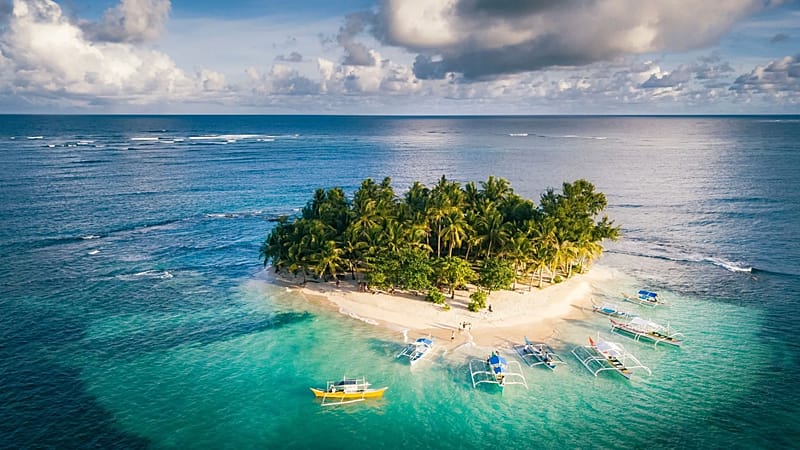
The Philippines has long been synonymous with paradise—perfect white sand, turquoise water, and stunning sunsets that stop you in your tracks. But the country’s tourism story is evolving. Beyond the beach bars and island-hopping tours, a new focus is emerging: authenticity, connection, and sustainability.
At this year’s World Travel Market in London, Euronews Travel spoke to Marga Nograles, COO of the country’s Tourism Promotions Board, about how the Philippines is redefining what it means to experience its 7,641 islands.
“Now what we are doing is as we invite the world to come, explore our beaches, we also invite them to experience more of the destination as they immerse further into meeting the Indigenous communities, into those beaches, the keepers of the land,” Nograles explained.
She added: “Imagine dining with an Indigenous community or wearing their garb, as you dance and sing with them.”
From turtle releases to community-led beach clean-ups, visitors are being encouraged to connect with the people who call these islands home—not just admire the view.
Nograles also pointed to some of the country’s other major draws, from its fast-rising food scene, which recently earned Michelin Guide recognition, to the warmth and creativity of the Filipino people themselves.
A New Era of Sustainable Tourism
The shift towards sustainable and authentic travel experiences is gaining momentum in the Philippines. This approach not only highlights the natural beauty of the islands but also emphasizes the importance of preserving local cultures and environments for future generations.
Tourism officials are working closely with Indigenous communities to create immersive experiences that allow travelers to engage with local traditions, crafts, and lifestyles. These initiatives help support local economies while promoting cultural preservation.
Visitors can now participate in activities such as:
- Learning traditional weaving techniques from local artisans.
- Joining guided tours led by Indigenous guides who share stories and knowledge about their ancestral lands.
- Participating in conservation efforts, such as coral reef restoration projects or wildlife protection programs.
These experiences offer a deeper understanding of the Philippines’ rich cultural heritage and the challenges faced by local communities.
Embracing the Local Flavor
In addition to its natural attractions, the Philippines is also making waves in the culinary world. The country’s food scene has seen significant growth, with chefs and restaurants gaining international recognition.
The Michelin Guide’s recent acknowledgment of Filipino cuisine marks a turning point for the nation’s gastronomic reputation. Dishes like adobo, lechon, and sinigang have become symbols of Filipino identity, while modern interpretations of traditional recipes are capturing the attention of global food lovers.
Restaurants across the country are now offering unique dining experiences that blend local ingredients with contemporary cooking techniques. From street food stalls serving up crispy pork belly to high-end eateries presenting fine-dining versions of classic dishes, there is something for every palate.
The Warmth of the Filipino People
One of the most enduring aspects of the Philippines is the warmth and hospitality of its people. Visitors often speak of the kindness and generosity they encounter during their travels, which adds to the overall appeal of the country.
Filipinos are known for their creativity and resilience, qualities that are reflected in everything from their art and music to their approach to everyday life. Whether it’s through traditional dances, folk songs, or vibrant festivals, the culture of the Philippines is alive and thriving.
This sense of community and connection is at the heart of the country’s tourism strategy. By fostering meaningful interactions between visitors and locals, the Philippines aims to create lasting memories and positive impacts on both sides.
Looking Ahead
As the Philippines continues to evolve as a tourist destination, the focus remains on creating experiences that are both memorable and responsible. The emphasis on sustainability, cultural exchange, and community engagement ensures that visitors leave with a deeper appreciation for the country and its people.
With its breathtaking landscapes, rich cultural heritage, and warm hospitality, the Philippines is more than just a tropical getaway—it’s a journey into the heart of a diverse and vibrant nation.