
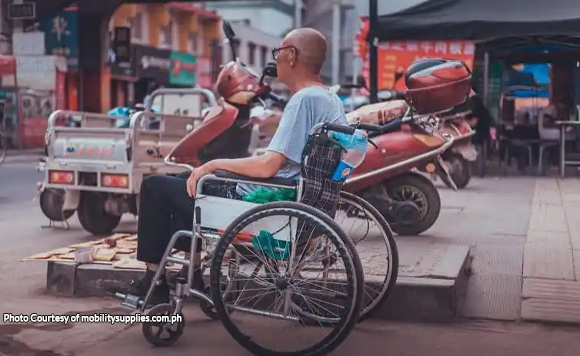
Focus on Inclusion and Empowerment for Sustainable Development
The National Disability and Development Forum (NDF) Pakistan has reiterated the importance of empowering and including persons with disabilities in the global effort to achieve the United Nations Sustainable Development Goals (SDGs). According to Abid Lashari, President of NDF Pakistan, sustainable development cannot be fully realized if individuals with disabilities continue to face significant barriers in key areas such as education, employment, healthcare, and accessibility.
During his participation in the 28th Sustainable Development Conference 2025 organized by SDPI and hosted by UN ESCAP, Lashari emphasized that persons with disabilities make up nearly 15% of the world’s population. This highlights the necessity of inclusion not only as a human rights issue but also as a critical developmental priority. He stated, “The SDGs are based on the principle of ‘Leave No One Behind.’ We must ensure equal opportunities, participation, and accessibility to fulfill this global commitment.”
Lashari further stressed that disability should not be viewed solely as a charity or welfare concern, but rather as an issue of dignity, equality, and social justice. By empowering persons with disabilities, societies can enhance social cohesion, strengthen communities, and foster economic growth through equal access to skills development and decent work opportunities.
Key Steps Toward Inclusive Development
To achieve these goals, Lashari called on various stakeholders to take concrete actions. These include:
- Government institutions: Adopting inclusive policies and investing in rehabilitation services.
- Civil society: Promoting awareness and advocating for the rights of persons with disabilities.
- International organizations: Supporting initiatives that focus on disability inclusion.
- Private sector: Creating accessible infrastructure and promoting the meaningful participation of persons with disabilities in decision-making processes at all levels.
Lashari concluded by stating, “The journey toward the SDGs will remain incomplete if persons with disabilities are excluded. We must move from awareness to action – from commitment to implementation.”
The Role of Persons with Disabilities in Global Development
Persons with disabilities play a vital role in the global development agenda. Their inclusion ensures that no one is left behind, which is a core principle of the SDGs. By addressing the unique challenges faced by this group, societies can create more equitable and sustainable environments.
In addition to improving access to education and employment, it is essential to focus on healthcare and accessibility. This includes ensuring that public spaces, transportation, and digital platforms are designed to accommodate the needs of all individuals, regardless of their abilities.
Moreover, the involvement of persons with disabilities in decision-making processes is crucial. Their perspectives and experiences provide valuable insights that can lead to more effective and inclusive policies. This participation should not be limited to consultation but should extend to active roles in shaping the future of development.
Conclusion
The empowerment and inclusion of persons with disabilities are not just moral imperatives but also practical necessities for achieving the SDGs. As Lashari highlighted, the path to sustainable development requires collective effort and a commitment to ensuring that everyone has the opportunity to contribute and benefit.
By taking proactive steps to remove barriers and promote equality, governments, organizations, and communities can work together to build a more inclusive and prosperous world. This commitment must translate into tangible actions that reflect the values of dignity, equality, and social justice for all.