
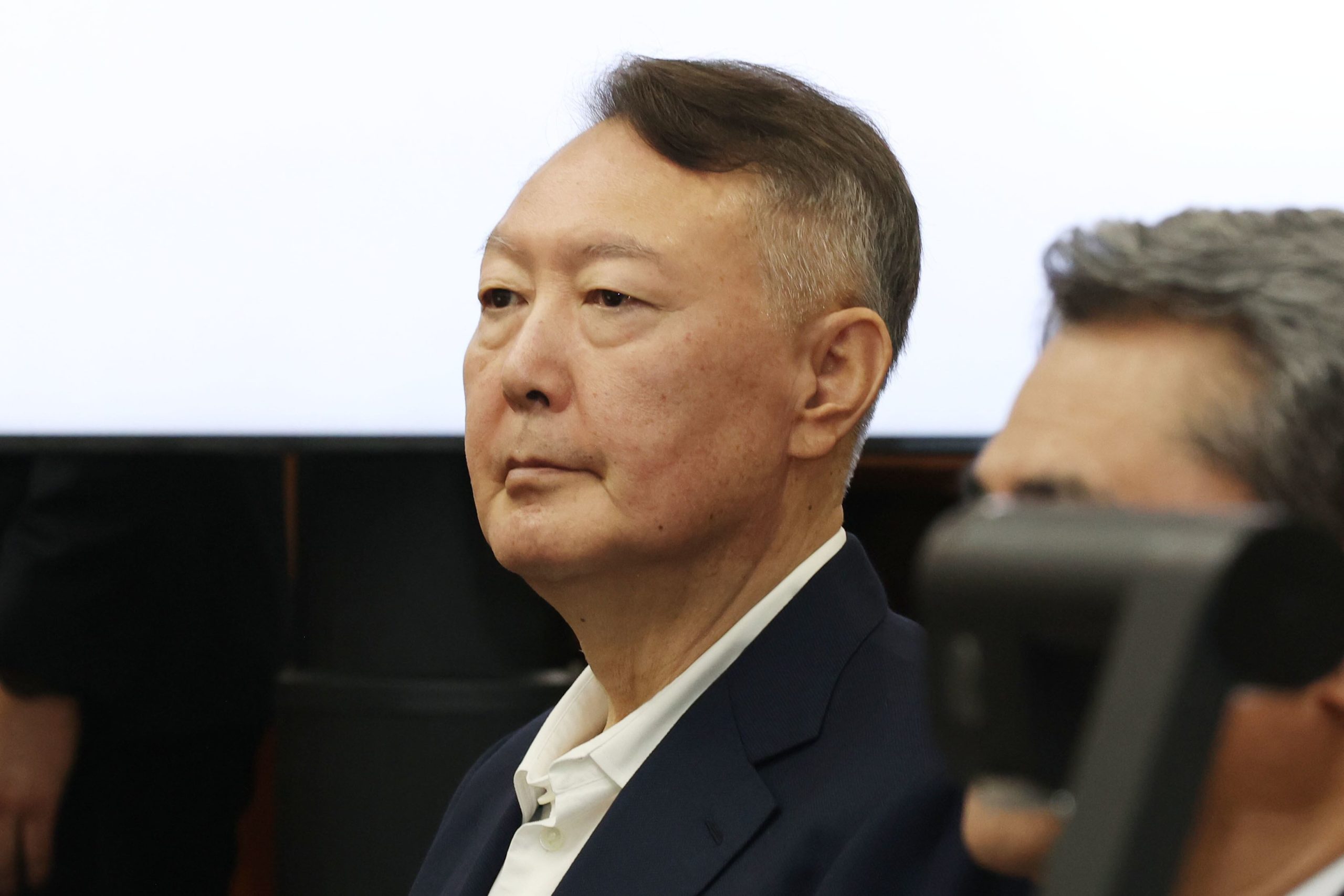
Former President Yoon Suk-yeol Refuses to Attend Investigation
Former President Yoon Suk-yeol submitted a non-attendance reason to the special counsel team investigating the death of a Marine on the 7th, as a summons investigation was scheduled for the 8th. Given that the special counsel previously warned they would consider requesting an arrest warrant if he did not comply with the investigation, speculation has emerged that they may soon proceed with a compulsory summons against the former president.
Yoon’s legal representatives announced on the morning of the 7th, “We submitted a non-attendance reason to the Marine Cpl. Chae special counsel.” The reason for non-attendance was reportedly due to health issues.
Earlier, the special counsel had requested Yoon’s attendance once in the previous month, but his side had declined, stating, “It is difficult due to the trial schedule of the legal team.” Despite the special counsel rescheduling the date to the 8th and notifying him, Yoon’s side again refused, publicly stating to the media, “We will attend on the 15th, not the 8th.”
In response, the special counsel warned during a press briefing on the 7th, “If former President Yoon does not appear on the 8th, we are also considering requesting an arrest warrant.”
Background of the Case
Yoon is accused of applying undue pressure in July 2023 to exclude former Marine 1st Division Commander Lim Seong-geun from suspects after receiving an initial investigation report that applied charges of negligent homicide. He also faces allegations of obstructing an investigation by appointing former Defense Minister Lee Jong-sup, who was under investigation by the Corruption Investigation Office for High-ranking Officials over the Cpl. Chae case, as ambassador to Australia and allowing him to leave the country.
The case centers around the death of a Marine, which has sparked significant public interest and debate. The special counsel team has been conducting a thorough investigation into the circumstances surrounding the incident, including any potential misconduct or negligence by high-ranking officials.
Legal Implications and Public Reaction
The situation has raised concerns about the independence of the judiciary and the role of former presidents in ongoing investigations. Critics argue that Yoon’s refusal to cooperate could be seen as an attempt to evade accountability, while his supporters claim that the investigation is politically motivated.
Public reaction has been divided, with some expressing frustration over the perceived lack of transparency and others defending Yoon’s right to legal representation and due process. The controversy has also highlighted the challenges faced by special counsel teams in securing cooperation from high-profile individuals.
Possible Next Steps
If the special counsel proceeds with a compulsory summons, it could lead to a more formal legal process, potentially involving the court. This could result in further scrutiny of Yoon’s actions and any potential violations of law.
Legal experts suggest that the outcome of this case could set a precedent for how future investigations involving high-ranking officials are handled. It also underscores the importance of maintaining the integrity of the judicial system and ensuring that all individuals, regardless of their position, are held accountable for their actions.
Broader Implications
The case has broader implications for South Korea’s political landscape, as it touches on issues of power, accountability, and the rule of law. It serves as a reminder of the delicate balance between executive authority and judicial oversight.
As the situation unfolds, the public and media will be closely watching for updates on the investigation and any developments in the legal proceedings. The outcome could have lasting effects on the perception of justice and governance in the country.