
The Rise of Regenerative Agriculture in Kenya
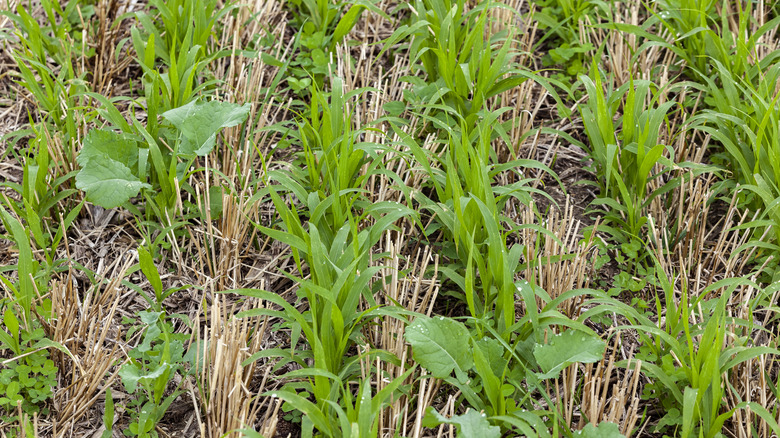
Agriculture experts are emphasizing the importance of regenerative agriculture as a critical strategy for achieving food and nutrition security while preserving the environment and boosting farmers’ incomes. This approach involves farming practices that restore soil health, such as cover cropping, mulching, minimal tillage, agroforestry, intercropping, and the use of organic manure and biofertilizers.
Mary Nyale, Farm Africa’s country director for Kenya, highlighted the significance of these practices in restoring degraded soils and enhancing the livelihoods of smallholder farmers. She stated:
“We need to understand which regenerative agriculture practice works best in which area for optimal soil health and yields. That’s key to improving incomes and food security.”
Farm Africa, a charity that supports smallholder farmers across eastern Africa, has been leading efforts to scale up regenerative farming through the Strengthening Regenerative Agriculture in Kenya project, implemented in partnership with AGRA. Between 2017 and 2024, more than 50,000 farmers in Embu and Tharaka Nithi counties adopted these practices, resulting in remarkable outcomes.
Farmers reported:
- Up to 81 per cent higher yields
- 92 per cent better water retention
- Reduced soil erosion and crop failure
The shift to organic and low-input farming also improved profitability and resilience. However, Nyale pointed out that challenges remain, including high input costs and weak extension services.
To bridge the gap, Farm Africa introduced a village-based adviser model, where one adviser supports between 200 and 500 farmers. This initiative aims to provide localized support and knowledge sharing among farmers.
At Farm Africa’s 40th anniversary celebration, Nyale reaffirmed the organization’s commitment to sustainable, climate-resilient agriculture.
Prof Jacqueline McGlade of Strathmore University and chief scientist at Downforce Technologies emphasized the need to measure soil health to drive real change. She highlighted a new initiative, The Economics of Ecosystems and Biodiversity for Agriculture and Food (TEEBAgriFood), which aims to quantify the value of Kenya’s ecosystems—starting with the Mau, Cherangani, and Loita water towers.
“A big step forward is in how we manage our lands and agriculture,” McGlade said. “We must recognize the true value of ecosystems to build food systems that are climate-resilient and sustainable.”
Challenges and Opportunities
Despite the positive outcomes, there are still obstacles to overcome. High input costs remain a significant barrier for many smallholder farmers, who often lack access to affordable resources and financial support. Additionally, weak extension services limit the reach and effectiveness of agricultural advice and training.
To address these issues, organizations like Farm Africa are focusing on community-based solutions. The village-based adviser model not only provides practical support but also fosters a sense of community and shared learning among farmers. This approach empowers local knowledge and encourages innovation at the grassroots level.
Moreover, the integration of technology into regenerative agriculture offers new opportunities. Digital tools and platforms can help farmers track soil health, monitor crop performance, and access market information. These innovations can enhance productivity and resilience, particularly in the face of climate change.
A Sustainable Future
As climate shocks become more frequent and severe, experts agree that regenerative agriculture is essential for Kenya’s future. It not only helps restore degraded soils but also ensures long-term food security and economic stability for farmers.
By promoting regenerative practices, Kenya can move towards a more sustainable and resilient agricultural system. This transition requires collaboration among governments, NGOs, researchers, and farmers to create an ecosystem that supports both people and the planet.
In conclusion, regenerative agriculture represents a promising pathway for Kenya to achieve its goals of food security, environmental protection, and economic growth. With continued investment, education, and innovation, this approach can transform the lives of millions of farmers and secure a sustainable future for generations to come.