
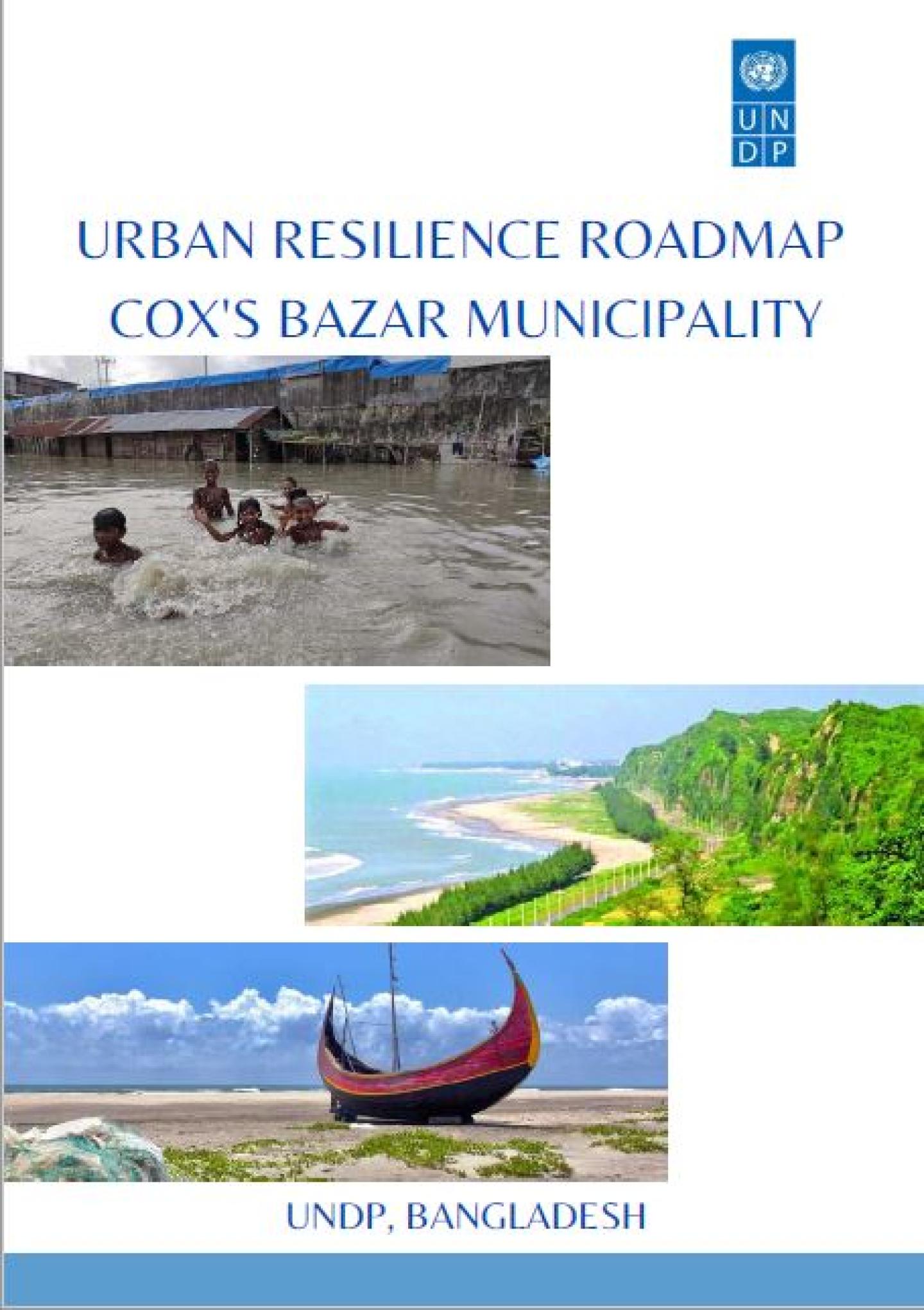
Introduction to the PRO-ACT Bangladesh Project
The government of Bangladesh has launched a significant initiative aimed at enhancing the resilience and livelihoods of poor and marginalized communities in Cox’s Bazar, one of the country’s most disaster-prone districts. This project, titled “PRO-ACT Bangladesh – Resilience Strengthening through Agri-Food Systems Transformation in Cox’s Bazar,” is designed to address the challenges faced by these communities using sustainable, nature-based solutions.
Implementation and Funding
The project will be implemented by the Department of Agricultural Extension (DAE) under the Ministry of Agriculture and is expected to run until June 2028. With an estimated cost of Tk 53.01 crore, it is fully funded by foreign grants. The primary goal of the project is to improve food and income security, promote sustainable agriculture, and reduce disaster risks across four upazilas: Cox’s Bazar Sadar, Ramu, Ukhiya, and Teknaf.
Key Components of the Project
Under the initiative, several key components are planned:
- Training for Farmers:10,000 farmers will receive training and input support to cultivate nutrient-rich crops.
- Aquaculture Development:600 families involved in aquaculture will be trained in modern fish-farming techniques.
- Dry Fish Processing:1,050 farmers will be supported in toxin-free dry fish processing, including branding and market access development.
Additionally, the project aims to create five agricultural aggregation centers to boost market connectivity and promote ICT-based agricultural extension services. Local service providers and farmers’ groups will also be trained on financial literacy, digital tools, and business planning to improve access to agricultural credit and strengthen value chains.
Disaster Preparedness and Risk Reduction
To enhance disaster preparedness, communities will receive training on the Landslide Early Warning System (LEWS). Crop-based land use maps will be developed to integrate disaster risk reduction into agricultural planning. According to the Planning Commission, the project will play a pivotal role in mitigating the adverse effects of climate change and addressing environmental degradation worsened by the Rohingya refugee influx, including deforestation, land erosion, and waterlogging.
Collaboration and Partnerships
Funded by the European Union, the project is implemented in collaboration with the Food and Agriculture Organization (FAO), Forest Department, and Department of Fisheries. PRO-ACT Bangladesh focuses on restoring ecosystems and strengthening the adaptive capacities of vulnerable populations.
Target Beneficiaries and Goals
With a target to reach more than 54,000 beneficiaries, including smallholder farmers, women, and marginalized groups, the initiative aims to transform Cox’s Bazar’s agri-food systems through climate-smart agriculture, sustainable resource management, and inclusive economic opportunities. Officials stated that the project aligns with Bangladesh’s long-term climate adaptation goals and underscores the government’s commitment to building a resilient future in the face of worsening climate challenges.
Challenges in Cox’s Bazar
Cox’s Bazar faces frequent exposure to a wide range of natural hazards and extreme weather conditions, such as cyclones, heavy rainfall, landslides, flash floods, and storm surges. In recent years, the district has been particularly vulnerable to recurring landslides and cyclones. The severity of these disasters is worsened by widespread poverty and the limited coping capacity of local communities, with about 33 percent of the district’s population living below the poverty line, according to UNDP.
Since 2017, Cox’s Bazar has also hosted around one million Rohingya refugees, which has significantly increased the population at risk. The influx has contributed to new environmental and safety challenges, including deforestation, hill-cutting, and mounting pressure on infrastructure. Because of overcrowded settlements, hilly terrain, and temporary housing conditions, Rohingya families are particularly susceptible to severe weather events.