
Key Developments in US-Hungary Energy Relations
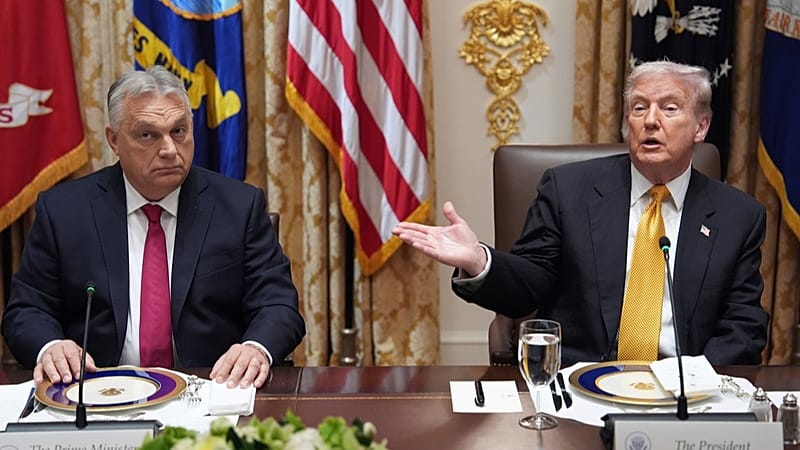
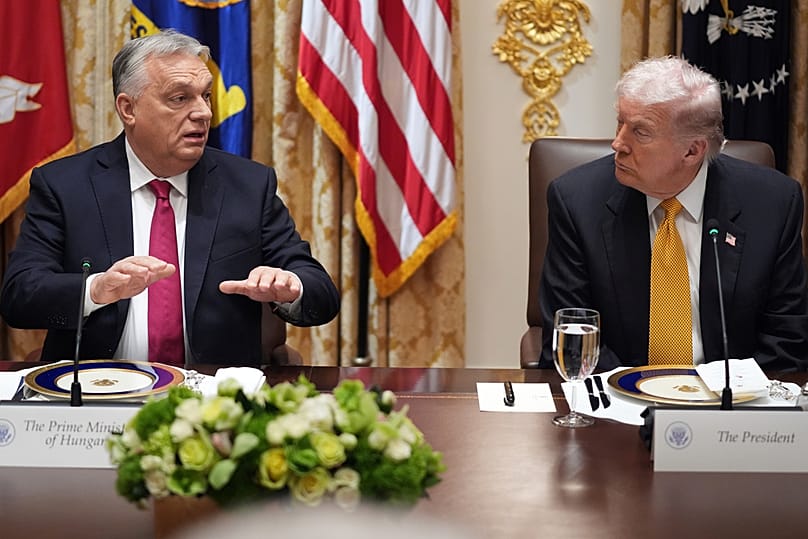
Hungarian Prime Minister Viktor Orbán has announced that his country has received a significant exemption from US sanctions on Russian energy following a meeting with President Donald Trump at the White House. This agreement allows Hungary to continue importing Russian oil and gas without facing penalties imposed by the US administration. The decision reflects the strong political ties between Orbán and Trump, who have long maintained a close relationship.
Orbán, known for his pro-Russian stance, had traveled to Washington with the goal of persuading the US to permit Hungary to keep receiving energy from Russia. As a landlocked nation, Hungary has relied heavily on Russian energy sources, particularly through the TurkStream pipeline for gas and the Druzhba pipeline for oil. The White House official, speaking anonymously, confirmed that the exemption would last for one year, giving Hungary time to explore alternative energy solutions.
The European Union has been pressuring Hungary to reduce its reliance on Russian energy, as most EU member states have either cut or significantly reduced their imports of Russian oil and gas. Orbán, however, has emphasized that access to Russian energy is crucial for Hungary’s stability and economic interests. He warned of potential negative consequences for the Hungarian people if the sanctions were to be applied.
During a press briefing with Hungarian media after his meeting with Trump, Orbán stated that Hungary had been granted a complete exemption from sanctions affecting Russian gas delivered via the TurkStream pipeline and oil from the Druzhba pipeline. He highlighted that the US president had agreed to this arrangement, ensuring that these specific energy flows would not be subject to sanctions.
In exchange, Hungary has committed to purchasing liquefied natural gas (LNG) from the United States. According to a fact sheet released by the US State Department, the contracts are expected to be worth approximately $600 million. Additionally, the two countries have agreed to collaborate on nuclear energy projects, including the development of small modular reactors. Orbán also mentioned that Hungary will purchase nuclear fuel from the US-based Westinghouse Electric Company to supply the Paks nuclear plant.
While the Paks plant has previously relied on Russian nuclear fuel, Hungarian officials have clarified that the country will continue to import Russian nuclear fuel alongside the new US-supplied fuel. This dual approach underscores Hungary’s complex energy strategy amid growing geopolitical tensions.
Before Orbán’s visit, a bipartisan group of US senators introduced a resolution urging Hungary to end its dependence on Russian energy. The resolution, supported by 10 senators including Republicans Mitch McConnell, Thom Tillis, and Chuck Grassley, as well as Democrats Jeanne Shaheen and Chris Coons, expressed concern over Hungary’s lack of progress in reducing its reliance on Russian energy. It called on Budapest to align with the EU’s plan to cease all energy imports from Moscow by the end of 2027.
This development highlights the evolving dynamics between the US and Hungary, as well as the broader implications for European energy security. While the exemption provides temporary relief for Hungary, it also raises questions about the long-term sustainability of its energy policies and the impact on regional cooperation.