
Rising Concerns Over Typhoon Fung-wong
The Philippines is preparing for another major storm as a powerful typhoon approaches the country’s eastern coast. This comes just days after Typhoon Kalmaegi caused widespread devastation across the region, and it has also left a trail of destruction in Vietnam.
Typhoon Fung-wong is expected to intensify into a super typhoon before making landfall on Sunday night or early Monday morning. The Philippine weather bureau has issued warnings about potential storm surges reaching up to five meters (16 feet), which could pose a serious threat to coastal communities.
Impact of Typhoon Kalmaegi
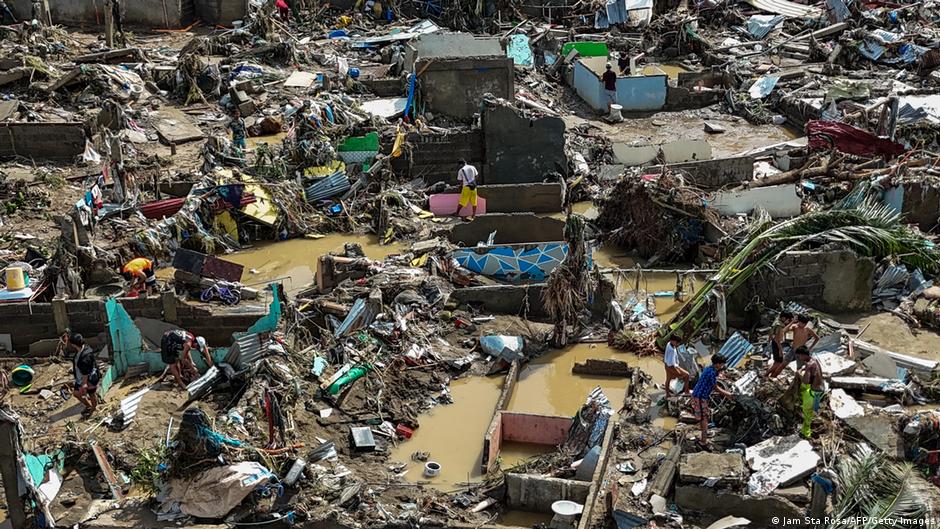
The death toll from Typhoon Kalmaegi in the Philippines has risen to at least 204, according to officials. The storm also affected Vietnam, where at least five more lives were lost due to heavy rain and strong winds. After causing damage in the Philippines, Kalmaegi weakened to a tropical depression and moved into neighboring Laos and Cambodia.
Evacuation Orders and Preparations
As Typhoon Fung-wong approaches, authorities have issued evacuation orders for residents in low-lying and coastal areas. The storm currently has maximum sustained winds of 140 kph (87 mph) and gusts up to 170 kph. It has already brought heavy rains and strong winds to parts of the eastern Philippines.
Fung-wong spans 1,500 kilometers (932 miles), meaning it could impact densely populated areas around Manila. Residents are being urged to move to higher ground and avoid all activities at sea.
Ongoing Clean-Up Efforts
Clean-up and rescue operations are still underway in the central Philippines, where Typhoon Kalmaegi made landfall on Tuesday. In addition to the over 200 fatalities, nearly 450,000 people were evacuated to shelters. As of Saturday, nearly 400,000 individuals remained in evacuation centers or with relatives.
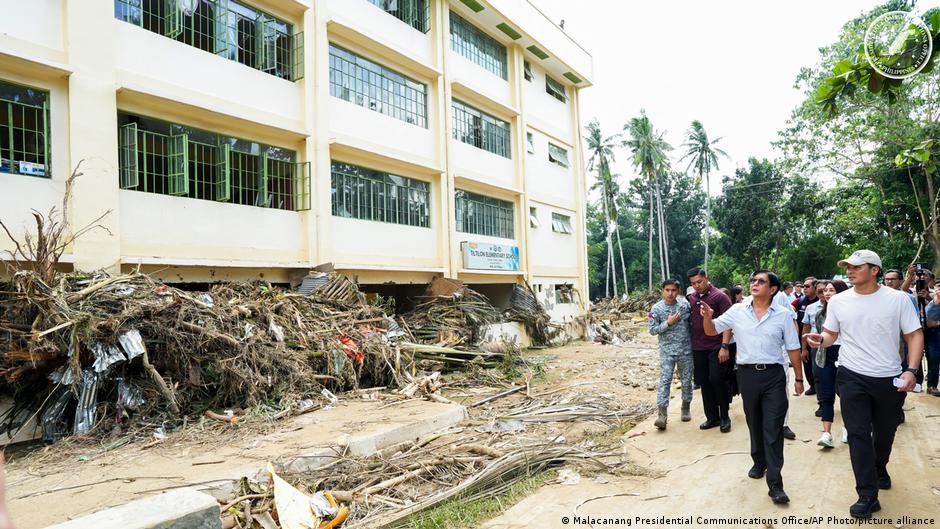
President Ferdinand Marcos Jr. visited the worst-affected areas in Cebu province, where 141 people died, primarily due to flooding. The Philippines experiences around 20 tropical cyclones each year, and the country has faced significant loss of life in past storms, such as Super Typhoon Haiyan in 2013, which claimed over 6,300 lives.
Damage in Vietnam
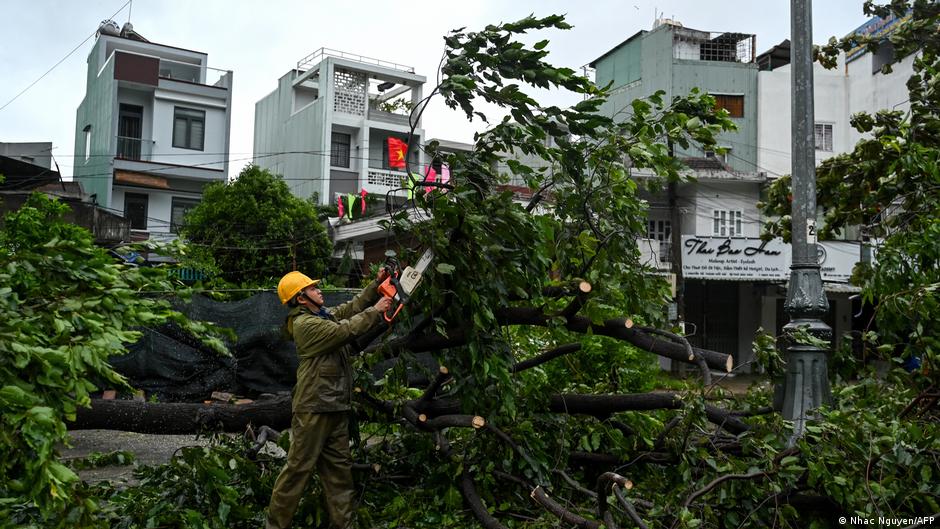
In Vietnam, Typhoon Kalmaegi caused extensive damage, uprooting trees and knocking down power lines. As of Saturday, some 500,000 people were without electricity. Dozens of homes collapsed, and over 2,600 others suffered severe roof damage or were blown off entirely.
Vietnamese authorities have warned of continued heavy rainfall, with forecasts predicting up to 200 millimeters (8 inches) in the central region. Rising river levels have also triggered warnings of landslides and floods. Before Kalmaegi arrived, Vietnam was still recovering from record-breaking rains that caused flash floods.
Climate Change and Extreme Weather
Climate scientists have highlighted that extreme weather events are becoming more frequent and intense due to global warming, largely driven by human use of fossil fuels. This trend underscores the growing need for improved disaster preparedness and climate resilience measures.
Conclusion
As the Philippines braces for the arrival of Typhoon Fung-wong, the impact of recent storms continues to be felt across both the Philippines and Vietnam. The situation highlights the urgent need for international cooperation and investment in climate adaptation strategies to mitigate the effects of future extreme weather events.