
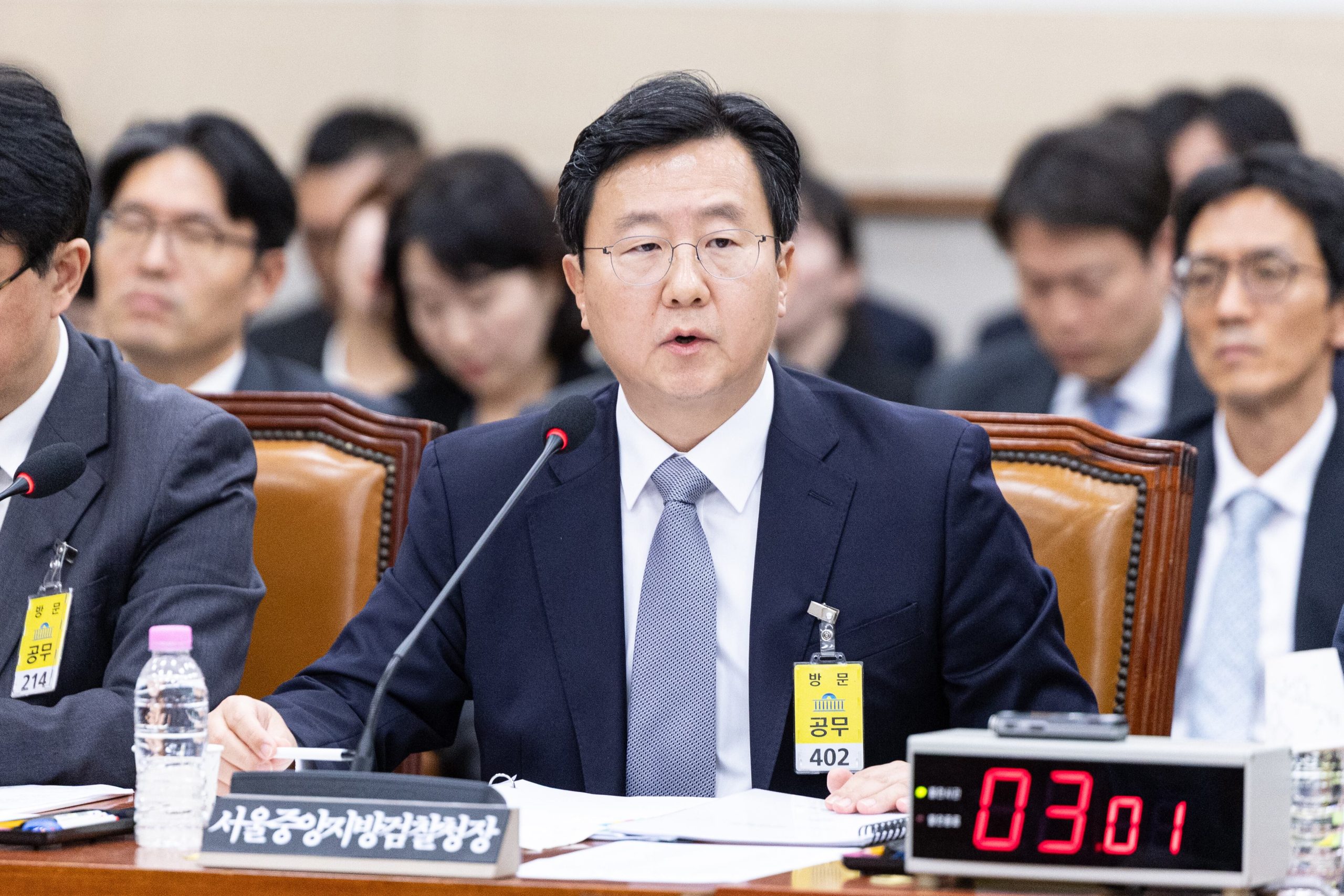
Prosecution Chief Resigns Amid Controversy Over Daejang-dong Case Appeal Decision
Prosecutor General Jeong Jin-woo of the Seoul Central District Prosecutors’ Office has announced his intention to resign, following a highly controversial decision by the prosecution not to appeal a high-profile corruption case involving private developers in the Daejang-dong area.
The resignation was confirmed on the 8th, with the Seoul Central District Prosecutors’ Office stating, “Prosecutor General Jeong Jin-woo has expressed his intention to resign today.” Although no specific reason was publicly disclosed, many believe that Jeong is taking responsibility for the prosecution’s choice to abandon its appeal in the Daejang-dong development corruption case. However, within the legal community, there are growing concerns about the timing and implications of this move.
Some critics argue that Jeong’s resignation appears to be an attempt to evade accountability, especially since he did not take a stand as the head of the investigation before the appeal deadline passed. A voice from within the prosecution stated, “What is the point of resigning as if evading responsibility after everything has concluded, when one should have resisted as the head of the investigation before the appeal deadline passed?”
The Daejang-dong Case and the Abandonment of the Appeal
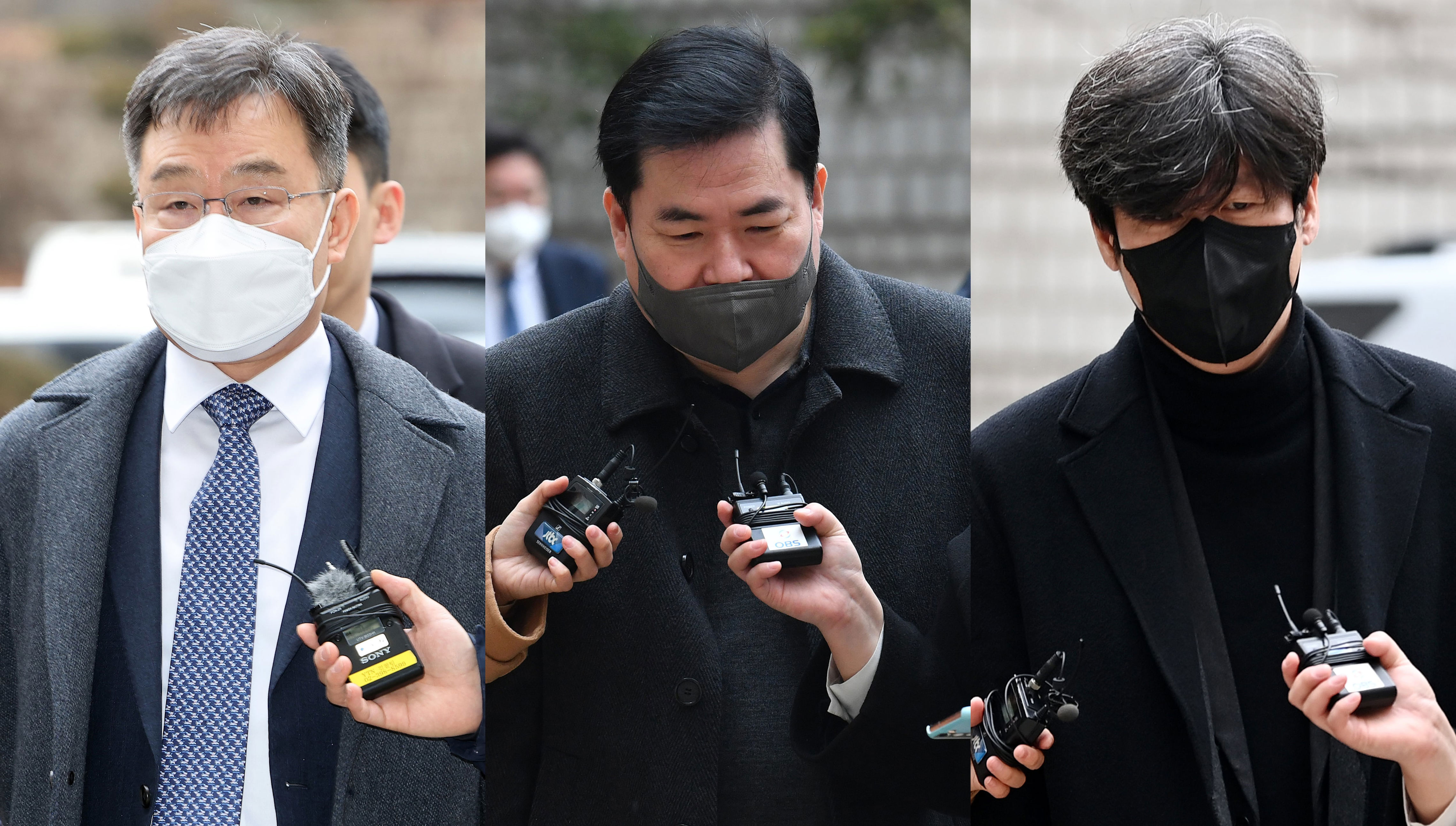
On the 31st of last month, the 22nd Criminal Division of the Seoul Central District Court (Judge Jo Hyeong-woo) sentenced five private developers, including Yoo Dong-gyu and Kim Man-bae, to eight years in prison. All of them submitted appeals, but the prosecution made a surprising decision on the 7th—just before midnight on the final day for appeals—to not proceed with an appeal.
This decision sparked widespread debate, as it was considered unusual for the prosecution to abandon an appeal in such a high-profile case. According to reports, the responsible investigation team expressed frustration, stating, “Suddenly, around the afternoon of the 7th—after all internal approval procedures had been finalized—the Supreme Prosecutors’ Office and the Seoul Central District Prosecutors’ Office’s command instructed us to withhold the appeal without any identifiable reason.”
Prosecutors added, “Until the last moment, we believed the command of the Supreme Prosecutors’ Office and the Seoul Central District Prosecutors’ Office would act lawfully and followed internal procedures while waiting. Ultimately, the command of the Supreme Prosecutors’ Office and the Seoul Central District Prosecutors’ Office unlawfully prevented prosecutors from submitting the appeal through improper instructions and command.”
Political Reactions and Legal Concerns
The controversy has drawn attention from political figures as well. Han Dong-hoon, former leader of the People Power Party and former Minister of Justice, commented on his Facebook, stating, “I heard that the Seoul Central District Prosecutors’ Office chief, who followed the ‘illegal appeal abandonment’ order from the presidential office, Ministry of Justice, and Supreme Prosecutors’ Office, is submitting his resignation belatedly. What good does this do after everything is over?”
Han continued, “Just as young martial law soldiers refused on the night of December 3rd last year, there is no obligation to follow illegal orders; it is the duty of public officials to refuse. Following such orders is already a crime.” He argued that the prosecution’s abandonment of the appeal against Kim Man-bae and others involved in the Daejang-dong corruption case was an illegal act that allowed them to receive a favorable trial in the appellate process. According to Han, this decision was directed by the presidential office, Ministry of Justice, and prosecution leadership, with the responsible prosecutors failing to resist.