
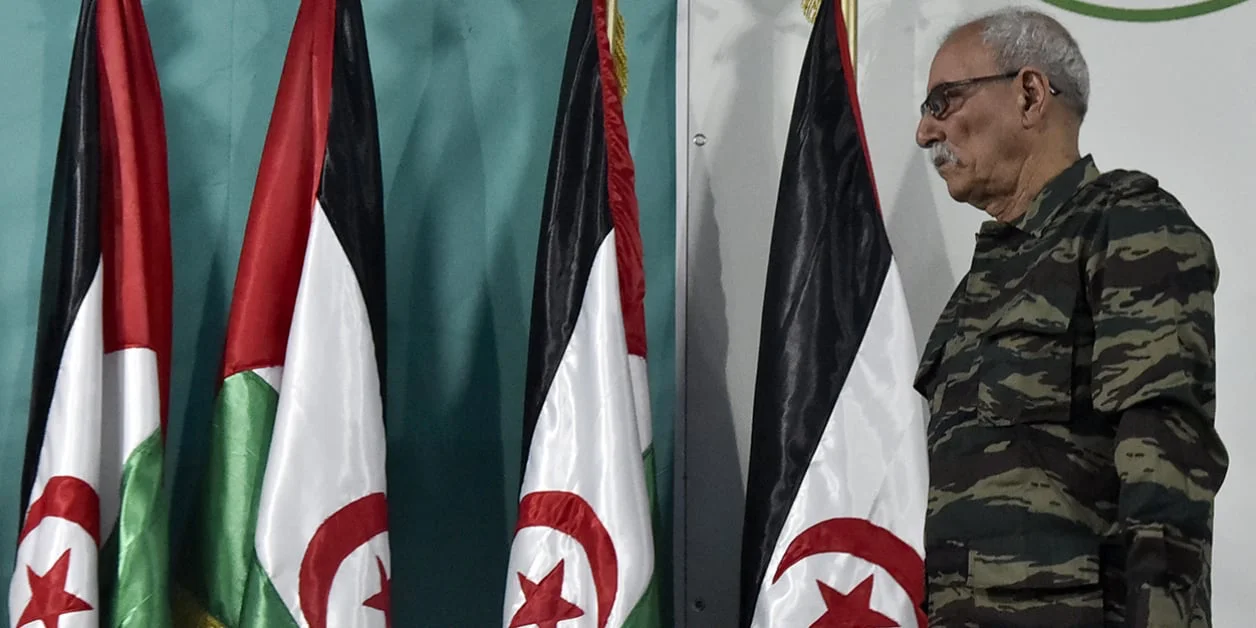
The Polisario Front’s Dilemma: Resistance or Compromise?
The Polisario Front, a long-standing movement advocating for the independence of Western Sahara, has found itself in a precarious position following the adoption of United Nations Resolution 2797. While the group publicly rejects the resolution as a dangerous deviation from its principles, internal discussions reveal a more complex and divided stance. The leadership is caught between the threat of American sanctions and the influence of Algeria, which has been a key supporter of the movement.
A Swift Rejection
Just hours after the resolution was passed, the Polisario Front issued a strong condemnation, calling it an “unprecedented deviation.” The group asserted that it would not engage in any political process or negotiations based on proposals that could be seen as legitimizing Morocco’s military occupation of the region. This official response, however, masks a deeper struggle within the movement.
Internal Debates and Diverging Opinions
Said Zarwal, a member of the Polisario Front based in Sweden and a vocal proponent of Sahrawi independence, provided insight into the internal discussions surrounding Resolution 2797. According to Zarwal, the focus of these debates was on how to manage the fallout from the resolution. Various options were considered, including the possibility of military escalation. However, no consensus was reached on this approach.
One of the key points of contention was the potential for future negotiations with the U.S., particularly if Donald Trump extended an invitation. Some officials supported the idea of participating in such talks, arguing that refusing them could lead to “American sanctions” if the Moroccan autonomy plan was rejected. Others, however, preferred to maintain a strict stance against any engagement, aligning with the October 31 statement.
Despite these differing views, the majority of the leadership did not support the minority opinion of rejecting Trump’s offer.
Navigating Communication Challenges
The meeting also addressed the challenge of maintaining unity among activists who might question the contradiction between the official boycott stance and the possibility of engaging in U.S.-sponsored negotiations. This internal communication issue highlights the difficulty of balancing public rhetoric with the practical realities of international diplomacy.
Diplomatic Moves and Regional Pressures
In addition to internal dynamics, the Polisario Front must also contend with pressure from Algeria. The country has been increasingly concerned about its growing isolation on the global stage, and this has influenced its relationship with the Polisario Front. As a result, the movement has sought to maintain close ties with Algiers while navigating the complexities of its own internal divisions.
Mohamed Yeslem Beissat, the Polisario’s “Foreign Minister,” recently traveled to Algiers to discuss upcoming political and diplomatic developments related to the Sahara issue with Algerian Foreign Minister Ahmed Attaf. These meetings underscore the importance of regional alliances in shaping the future of the conflict.
Past Conflicts and New Realities
It is worth noting that Said Zarwal previously made headlines when he revealed that the Royal Armed Forces (FAR) had reclaimed 40 km² of land east of the Sand Wall, which the Polisario had considered “liberated territories.” This revelation came to light in January, and it was only last October that Brahim Ghali officially acknowledged this reality in a letter to the UN Secretary-General.
This acknowledgment marks a significant shift in the Polisario Front’s position, suggesting that the movement may be gradually adjusting to the changing geopolitical landscape. However, the official stance remains one of resistance, even as internal discussions hint at a more nuanced approach.
Conclusion
The Polisario Front stands at a crossroads, facing the challenge of maintaining its ideological commitment while navigating the pressures of international politics. The internal debates and diplomatic maneuvers reflect a movement in flux, struggling to reconcile its past with the demands of the present. As the situation continues to evolve, the future of the Western Sahara conflict remains uncertain.