
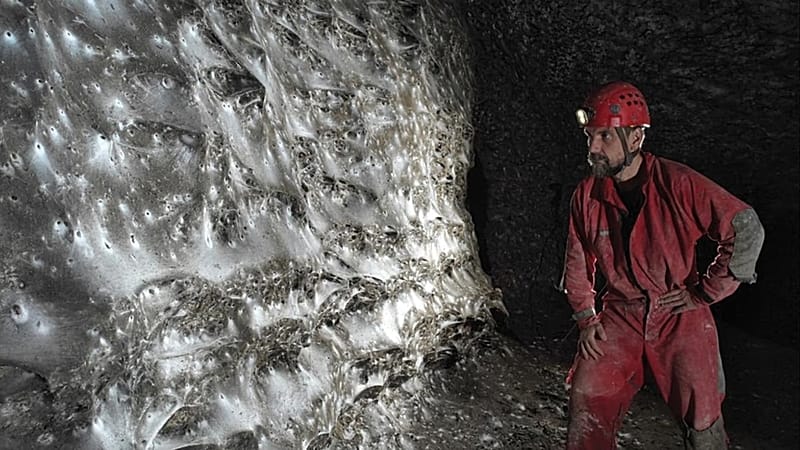
Researchers have uncovered a massive spider “megacity” within Sulfur Cave, a subterranean environment located on the border between Albania and Greece. This discovery was published in the journalSubterranean Biology, shedding light on an extraordinary ecosystem hidden beneath the surface.
The colony, which spans nearly 110 square meters, is home to approximately 69,000Tegenaria domesticaspiders and 42,000Prinerigone vagansspiders. These arachnids have constructed an intricate, interconnected web that supports their entire community. The structure is so vast that it has been described as potentially the largest of its kind ever recorded.
The environment inside Sulfur Cave is dark and humid, providing ideal conditions for these species to thrive. Scientists believe the unique microclimate of the cave plays a crucial role in sustaining such a large population of spiders. The cave’s constant temperature and high humidity levels create a stable habitat that allows the spiders to remain active year-round.
The footage capturing this remarkable discovery was filmed by István Urák, while photographs were taken by Czech cave explorer Marek Audy. Their work has provided valuable insights into the behavior and social dynamics of these spiders, which are typically solitary creatures but appear to have formed a cooperative living arrangement in this particular location.
Key Features of the Spider Megacity
- The colony covers an area of nearly 110 square meters, making it one of the most extensive spider habitats ever documented.
- It houses over 110,000 individual spiders, with two main species coexisting in the same web system.
- The interconnected web structure suggests a level of cooperation among the spiders that is unusual for their species.
Environmental Conditions
- The cave is characterized by a consistently dark and humid environment.
- The stable temperature allows the spiders to remain active throughout the year.
- The presence of sulfur compounds in the cave may contribute to the unique ecosystem.
Significance of the Discovery
This finding challenges previous assumptions about the limits of spider colonies and their ability to adapt to extreme environments. The scale of the web and the number of spiders present indicate a highly efficient system of resource distribution and survival strategies.
Scientists are now studying the long-term implications of this discovery. They hope to understand how such a large population can sustain itself without significant external resources. Additionally, they are interested in learning more about the interactions between the two spider species and whether they share food sources or compete for space.
Further research may also reveal how this ecosystem has evolved over time and what factors contributed to its development. The findings could have broader implications for understanding subterranean ecosystems and the adaptability of life in extreme conditions.