
Sudanese Diplomat Calls for AU Action Against Mercenary Involvement in Darfur Conflict
A Sudanese diplomat has urged the African Union (AU) to take a firm stance against foreign interventions that are destabilizing peace and security across the continent. This call came amid reports of mercenaries from various countries being involved in the conflict in El Fasher, North Darfur.
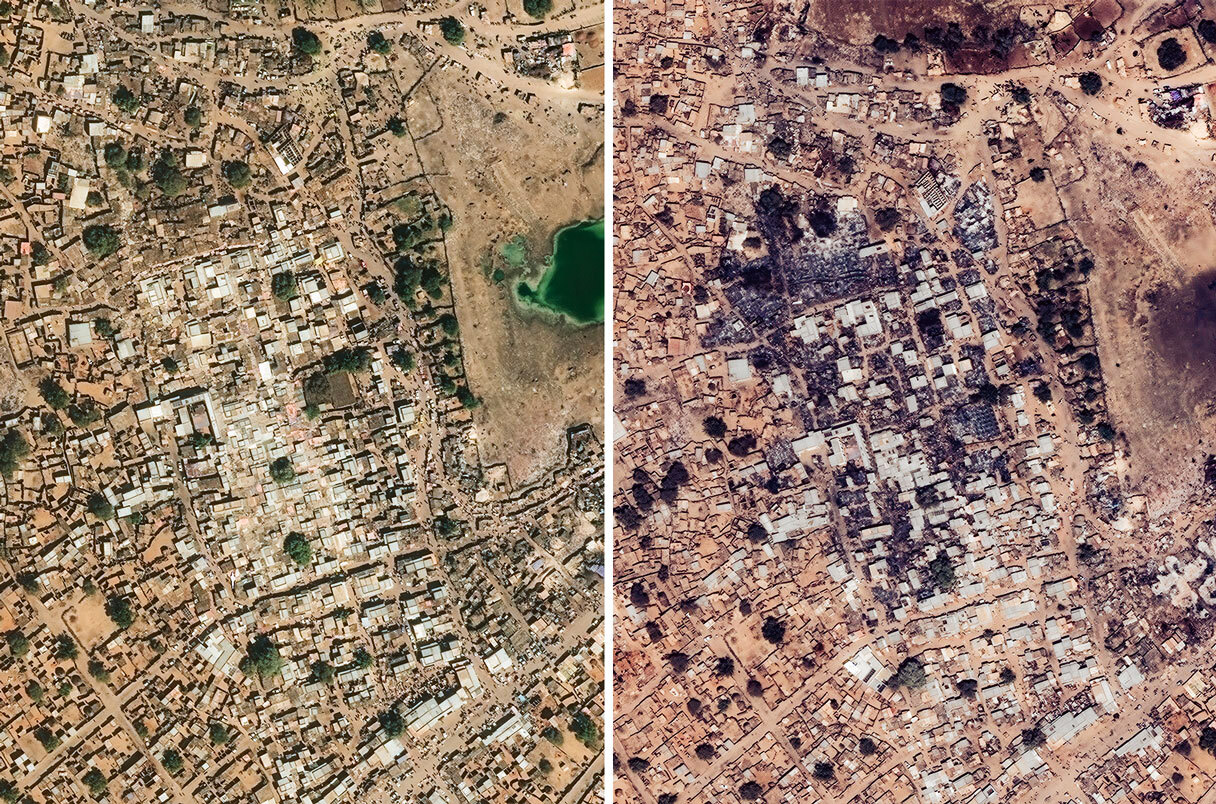
The Rapid Support Forces (RSF), which seized control of El Fasher on October 26, reportedly used mercenaries from Colombia and deployed drones to attack military positions. These actions have raised serious concerns about the involvement of external actors in the ongoing crisis.
During a meeting at the AU headquarters in Addis Ababa, Sudan’s Ambassador to Ethiopia and Permanent Representative to the AU, Al-Zain Ibrahim Hussein, met with key officials including the Chief of Staff of the AU Commission Chairperson, Mohamed El Amine Souef, and the AU Envoy to Sudan, Mohamed Belaiche.
In a press statement, Al-Zain Ibrahim Hussein highlighted that the occupation of El Fasher would not have been possible without the participation of mercenaries, the use of prohibited weapons, and the disruption of satellite communications. He called on the AU to adopt strict measures against the growing trend of mercenary activities and other forms of negative interventions that threaten regional stability.
He also provided detailed information about the violations committed by the RSF in El Fasher and Bara, describing them as a “flagrant challenge” to international and national humanitarian law. The ambassador demanded that the AU classify the RSF as a terrorist group.
According to United Nations reports, the RSF committed severe atrocities in El Fasher after capturing it, including the mass killing of 2,000 civilians and the execution of 460 patients and wounded individuals inside a hospital. Additional crimes included looting, kidnapping for ransom, arbitrary detention, and sexual violence.
The RSF also took control of Bara on October 25 and carried out retaliatory attacks against civilians, involving killings, humiliation, sexual violence, and displacement. On October 30, the Ministry of Health reported the killing of 12 medical staff in Bara by RSF gunfire. The Emergency Lawyers group also documented violations such as mass liquidations, arrest campaigns, looting, and vandalism.
Al-Zain emphasized that Sudan’s suspension from the AU is not based on the African Charter on Democracy, Elections and Governance. He explained that there was no democratically elected government in place at the time of the coup on October 25, 2021.
He called for Sudan’s return to its seats in the AU following the formation of a civilian technocratic government led by Kamil Idris, which he described as the “basic requirement” of the suspension decision. The AU suspended Sudan’s membership after the coup, conditioning its reinstatement on the return of civilian rule.
Al-Zain further urged the AU to support a “national Sudanese vision” for a political solution, aligned with a transitional roadmap. This call for AU support comes as the situation in Sudan continues to deteriorate, with ongoing violence and human rights abuses affecting thousands of civilians.