
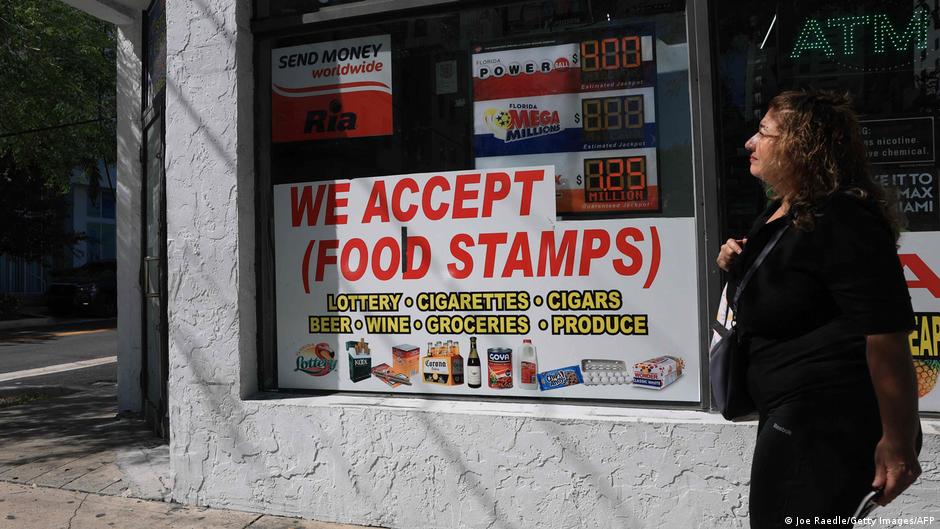
Supreme Court Temporarily Halts Lower Court Order on SNAP Funding
The U.S. Supreme Court has issued an emergency order to block a lower court decision that required the Trump administration to fully disburse Supplemental Nutritional Assistance Program (SNAP) food payments to states by Friday night. This move comes as part of a broader legal battle over funding for one of the country’s most critical anti-hunger programs.
The Supreme Court’s action, known as an administrative stay, was initiated by Justice Ketanji Brown Jackson. The stay was designed to provide additional time for the appeals court to review the Trump administration’s formal request to only partially fund SNAP benefits for November. This decision effectively pauses the lower court’s order, which had mandated full payments through the program by the end of the week.
The original order from a lower court had given the Trump administration a deadline of Friday to make the full payments under the SNAP program. However, the administration argued that it did not have sufficient funds to meet this requirement due to ongoing budget constraints caused by the government shutdown. Instead, the administration sought to continue with planned partial payments for the month.
Justice Jackson emphasized that the pause would allow the appeals court more time to consider the administration’s request. This is a significant development in the ongoing legal dispute, as it highlights the complex interplay between federal funding, judicial oversight, and the needs of millions of Americans who rely on SNAP benefits.
Understanding the SNAP Program
The SNAP food assistance program is the largest anti-hunger initiative in the United States. It provides essential support to roughly 42 million low-income individuals across the country. The program operates on a monthly budget of approximately $8.5 billion to $9 billion, making it a critical component of the nation’s social safety net.
The Trump administration has claimed that it lacks the necessary funds to cover the full cost of SNAP benefits this month. This assertion has led to calls for a temporary suspension of the program’s full payment requirements. The administration has instead proposed continuing with partial payments, which would affect the amount of aid provided to eligible recipients.
This situation raises important questions about the financial management of federal programs and the potential impact on vulnerable populations. With the government shutdown contributing to budget shortfalls, the administration’s ability to meet its obligations under SNAP has come under scrutiny.
Implications of the Court’s Decision
The Supreme Court’s decision to issue an administrative stay is a temporary measure, but it could have far-reaching implications. By halting the lower court’s order, the court has provided the administration with a reprieve from immediate financial pressure. However, this does not resolve the underlying issues surrounding funding and the long-term sustainability of the SNAP program.
The appeals court will now have the opportunity to evaluate the administration’s request in greater detail. This process may involve reviewing the financial status of the contingency fund, assessing the impact of partial payments on beneficiaries, and considering any legal arguments presented by both sides.
As the legal proceedings unfold, the focus will remain on ensuring that the needs of millions of Americans are met. The outcome of this case could set a precedent for how similar disputes are handled in the future, particularly in times of fiscal uncertainty.
Conclusion
The Supreme Court’s emergency order reflects the delicate balance between judicial authority, executive action, and the welfare of the American public. While the pause provides temporary relief to the Trump administration, it also underscores the urgent need for a comprehensive solution to the funding challenges facing the SNAP program. As the appeals court continues its review, the situation will remain closely watched by policymakers, advocates, and the public alike.