
The Rise of a New Political Movement
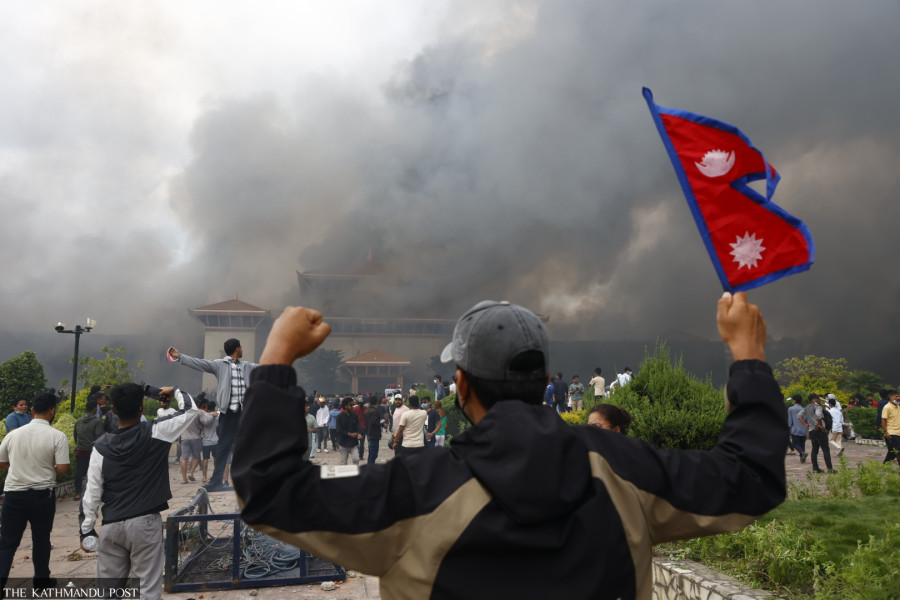
In September 2023, a protest in Nepal sparked by Gen Z-ers gained unprecedented attention and support. Unlike previous calls for demonstrations in Kathmandu, this movement resonated deeply with the frustrations of ordinary citizens. What began as a response to the Oli government’s ban on social media quickly evolved into a full-scale revolution. The next day, the protests turned into a widespread upheaval that shocked both the nation and the world.
The revolution was driven by two major issues: the restriction of social media and the pervasive corruption within the political system. Young people across Nepal voiced their anger against what they saw as an infringement on their fundamental rights and a deep-seated culture of corruption, nepotism, and cronyism. Their discontent highlighted the growing disparity between the wealthy and the poor, making their voices impossible to ignore.
However, a month later, the momentum generated by the revolution appears to be waning. The initial fervor is being challenged by the political class, which seems to be downplaying the significance of the movement. Some members of the elite have even started questioning who orchestrated the events, suggesting conspiracy theories that undermine the legitimacy of the protests.
A prominent figure in Kathmandu’s media scene recently wrote an article in Nepal Khabar, questioning who was behind the dismantling of a “perfectly functional state.” This narrative, while seemingly insightful, reflects a dangerous attitude of privilege and apathy. It overlooks the systemic failures that led to the revolution and fails to acknowledge the pain and loss experienced by many.
The Significance of the Revolution
It is essential to recognize that the collective memory of the political landscape in Nepal is short. However, the rapid amnesia surrounding the state of the country and the reasons for the Gen Z revolution should be seen as a serious issue. With over seventy lives lost and the lasting impact on an entire generation, the revolution deserves respect and a thorough understanding of its causes.
The message of the revolution was clear: the gains from past movements were not sufficient and had been undermined by the self-serving actions of the political class. The system needed real change, but the resistance from those in power has led to the trivialization of the movement.
The stakeholders of Nepal’s “iron triangle” — the entrenched alliance between bureaucrats, politicians, and businesspeople — are at the heart of this resistance. This nexus, once thought impenetrable, was symbolically challenged during the revolution. The destruction of key institutions such as Singha Durbar, police stations, and the homes of powerful politicians marked a defiant stand against this corrupt system.
Mischaracterizing the Movement
Despite the significance of the revolution, some narratives in Nepal portray it as a “mess” or a “fluke,” suggesting that it was driven by foreign interests. Those with vested interests often dismiss the movement as unnecessary, claiming that a few individuals caused the chaos. Reports of infiltrations by groups like the Free Tibet Movement or accusations of criminals torching public properties have been used to diminish the dignity of the revolution.
While violence should never be condoned, it is important to understand its role in historical revolutions. Arson, for example, has often been a symbolic act of defiance against oppressive regimes. From the French and Haitian revolutions to the Arab Springs, arson has been a tool used to express dissent and challenge unjust systems.
The Future of Political Will
Revolutionary movements inherently generate political will. They disrupt the status quo, gain public support, and force institutional change. The Gen Z revolution has already shifted the political landscape, creating a new will to combat corruption. However, the challenge lies in sustaining this momentum in a system riddled with entrenched interests.
Political will, while powerful in the streets, can be fragile in the corridors of power. The Gen Z movement must understand that political will is more than just a slogan or a trending hashtag. It is the driving force that transforms dissent into policy and outrage into tangible outcomes. Without this, even the most successful revolutions risk fading into obscurity.
The youth of Nepal must reclaim the moral high ground they stood on during the revolution. They need to assert that this was not a fluke but a turning point in the country’s political history. The system was not burned down; it was exposed for what it truly was.