
Trump’s Focus on Rare Earth Minerals and Central Asian Partnerships
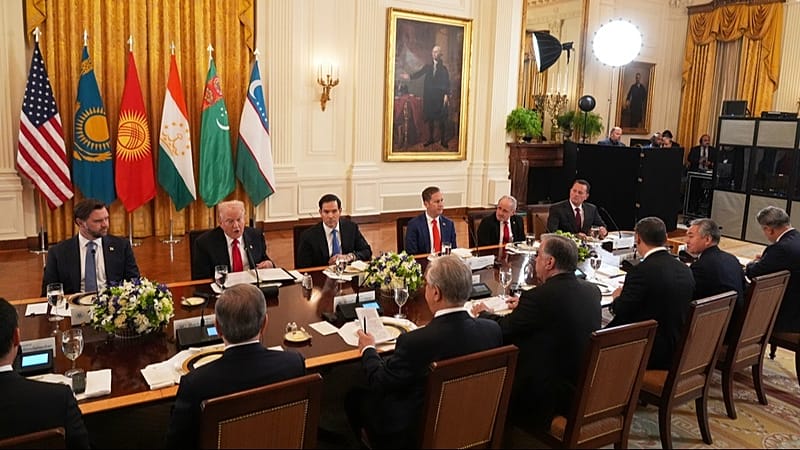
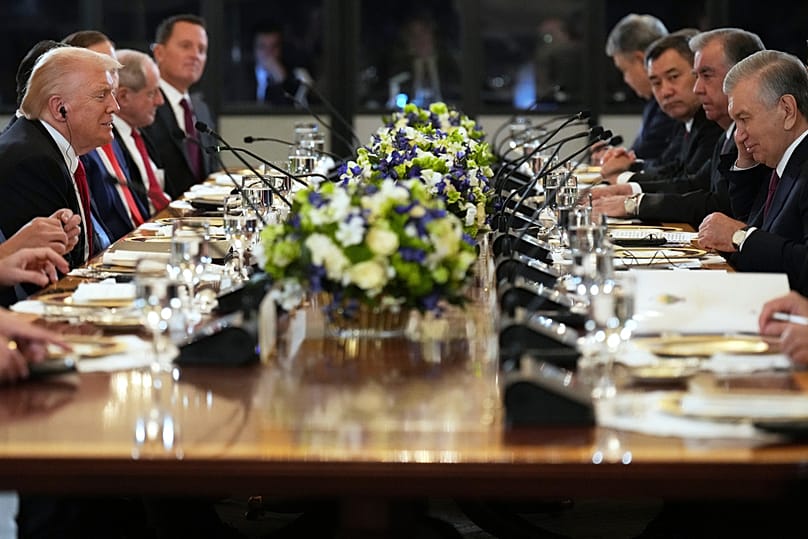
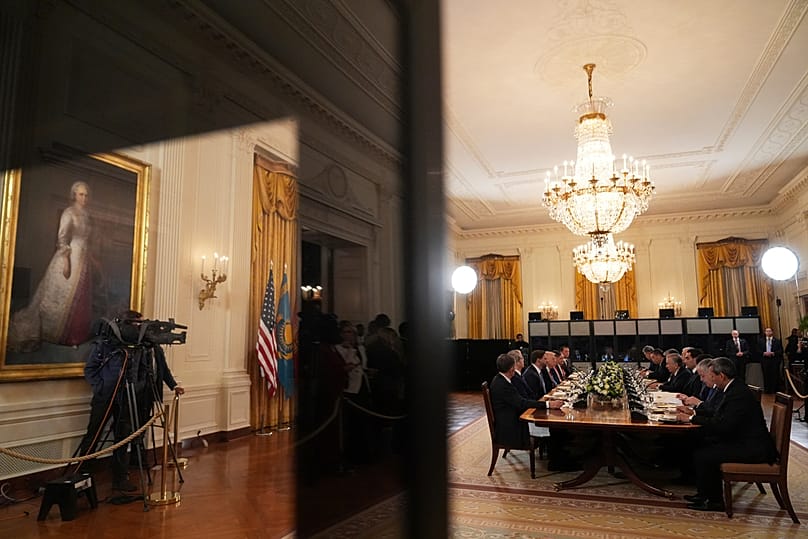
US President Donald Trump recently hosted leaders from five Central Asian countries at the White House, highlighting a growing interest in securing rare earth metals essential for high-tech devices such as smartphones, electric cars, and fighter jets. The meeting included bilateral discussions with the presidents of Uzbekistan, Kazakhstan, Kyrgyzstan, Tajikistan, and Turkmenistan, followed by a working dinner.
Trump emphasized the historical significance of the region, stating, “These nations were once home to the ancient Silk Road connecting the East and West.” He noted that previous American administrations had overlooked this area, adding, “I understand the importance of this region, a lot of people don’t know that.”
Central Asia is rich in rare earth minerals and produces about half of the world’s uranium, which is vital for nuclear power production. The region requires further investment to fully develop its resources.
Strengthening Economic Ties and Opportunities
In recent weeks, Trump’s administration has focused on strengthening American economic security through agreements with allies to expand critical minerals supply chains. US Secretary of State Marco Rubio highlighted the potential for new opportunities, saying, “We oftentimes spend so much time focused on crisis and problems — and they deserve attention — that sometimes we don’t spend enough time focused on exciting new opportunities.”
He added, “And that’s what exists here now: an exciting new opportunity in which the national interests of our respective countries are aligned.”
Uzbekistan showed particular interest in boosting ties with the US. Before the summit, Uzbek President Shavkat Mirziyoyev met with Trump to discuss ways to strengthen the US-Uzbek strategic partnership, enhance political dialogue, and expand trade, economic, investment, and cultural cooperation.
Both sides emphasized the importance of implementing agreements made during their previous meeting in New York in September. During the meeting, Mirziyoyev proposed around 10 key initiatives, including the establishment of a permanent secretariat for continuous coordination among member countries, creating a coordination council for investment and trade, and launching the Central Asian Investment Partnership Fund to attract joint investments in key projects.
Mirziyoyev also suggested building better transport, communications, and energy infrastructure between the region and Europe, as well as establishing a special committee to oversee the exploration, extraction, and processing of critical minerals. He also called for modernizing the region’s agricultural technology through US innovation and promoting Uzbek cultural heritage in major US museums.
Sherzod Asadov, press secretary to the president of Uzbekistan, said, “I am confident that advanced American experience and technology, combined with the region’s skilled human resources, industrial capacity, and resource potential, can yield tangible results in the very near future.”
Trump announced on his social media platform Truth Social that Uzbekistan is set to significantly boost its investment in the US, calling the deal “incredible.” According to Trump, Uzbekistan plans to invest nearly $35 billion (€30.3 billion) over the next three years and more than $100 billion (€86.6 billion) within the next decade in key US sectors such as critical minerals, aviation, automotive, infrastructure, agriculture, energy, and technology.
He also expressed gratitude to Mirziyoyev, describing him as “highly respected,” and looked forward to a long and productive partnership between the two nations. At the conclusion of the negotiations, Mirziyoyev invited Trump to pay an official visit to Uzbekistan at a mutually convenient time.
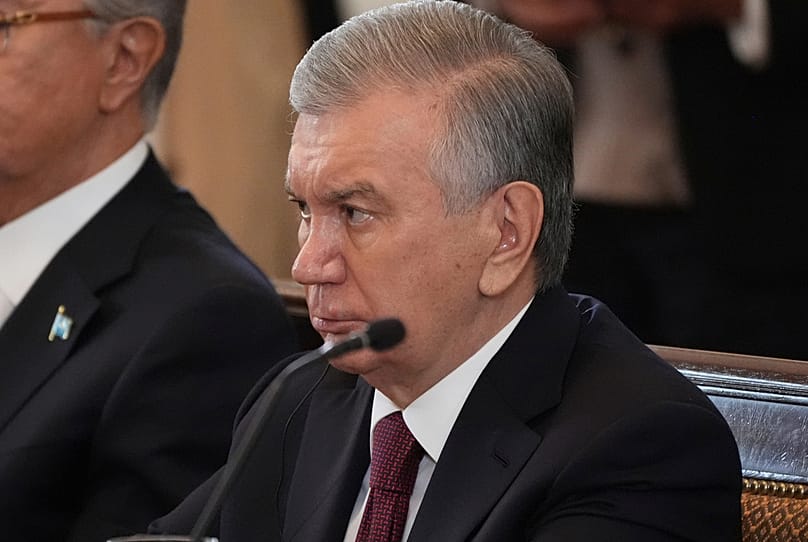
Kazakhstan also played a significant role in strengthening ties with the US. President Kassym-Jomart Tokayev reached several agreements with Trump, ranging from joint ventures to increased investments. The US and Kazakhstan agreed to jointly explore one of the largest undeveloped tungsten deposits in the world – the Northern Katpar and Upper Kairakty.
US-based Cove Kaz Capital Group is set to acquire a 70% stake in a joint project with Kazakhstan’s state mining company, Tau-Ken Samruk, to develop one of the world’s largest undeveloped tungsten deposits.
The venture, valued at $1.1 billion (€952 million), has received a letter of interest from the US Export-Import Bank to provide up to $900 million (€779 million) in financing. The deal was signed on the sidelines of the C5+1 summit, between Nariman Absametov, Head of Tau-Ken Samruk, and Pini Althaus, CEO of Cove Capital.
The project is in a preparatory stage, with work expected to commence soon to unearth deposits estimated to house around 410,000 tonnes of tungsten, significantly boosting the local mining industry.
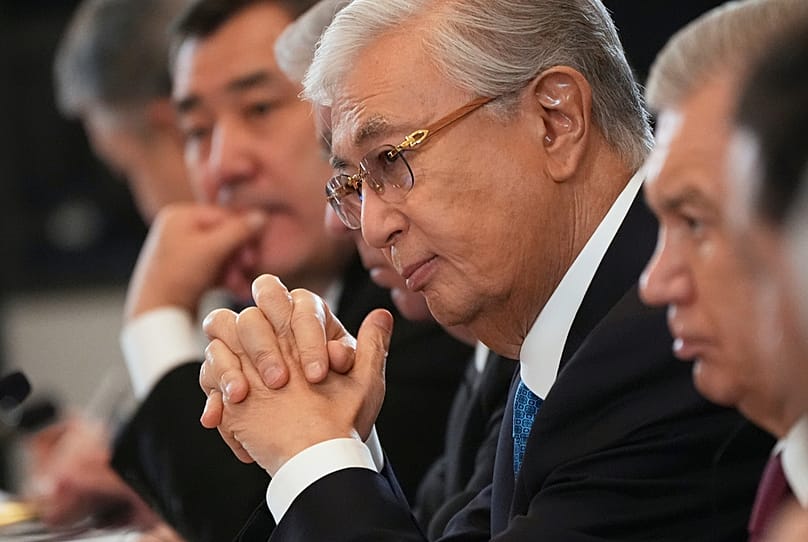
The meeting also reached an agreement for the US to sell up to a combined 37 Boeing jets to the national airlines of Kazakhstan, Tajikistan, and Uzbekistan, some of the rising players in the region’s commercial aviation space. The Kazakh president also announced support for Trump, who he praised as a “president of peace,” and committed his country to an initiative he hailed as remarkable for regional peace: the 2020 Abraham Accords, which normalised ties between Israel and several Arab countries.
“By joining the Abraham Accords, Kazakhstan seeks to contribute to overcoming confrontation, promoting dialogue, and upholding international law based on the UN Charter,” said a statement by the presidential press service.
The meeting also led to deals to boost collaboration in the digital space. The owner of Kazakhstan’s Alatau City Bank, Vyacheslav Kim, signed an agreement, facilitated by the Kazakh Ministry of AI and Digital Development, worth $300 million (€260 million) with DDH, to strengthen the partnership in digital mining and modernise energy and computing infrastructure.
Tokayev described his Washington visit and talks with Trump as “productive” and reaffirmed his country’s commitment to further strengthening its strategic partnership with the United States in the years and decades to come.