
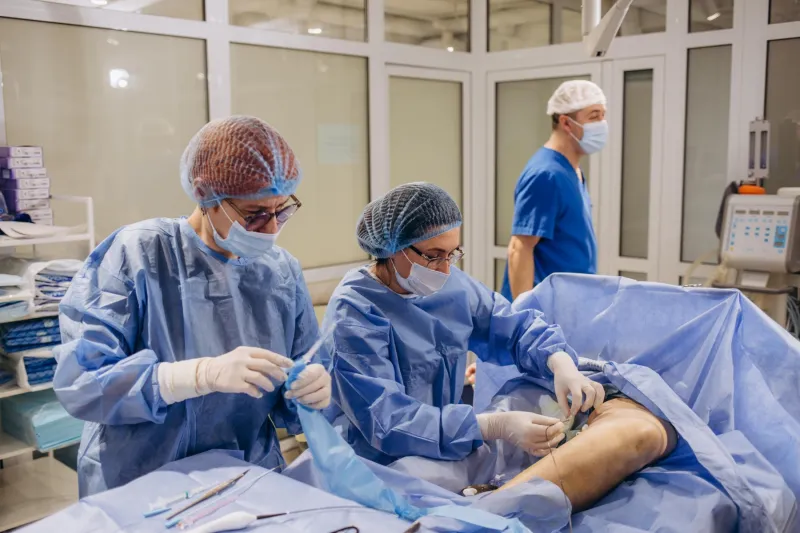
Introduction to Robotic-Assisted Knee Replacement
In the field of orthopedic surgery, technological advancements have been transforming the way procedures are conducted. One such innovation is the use of robotic-assisted systems in knee replacement surgeries. These systems offer a higher level of precision and customization, making them particularly beneficial for complex cases. Recently, India’s Aster RV Hospital made history by performing Karnataka’s first robotic-assisted revision knee replacement using the CORI robotic system.
The CORI Robotic System
The CORI robotic system is a cutting-edge technology designed to enhance the accuracy and effectiveness of knee replacement procedures. It generates a 3D mapping of the joint, which provides surgeons with detailed visual information about the patient’s anatomy. This real-time imaging capability allows for more accurate planning and execution of the surgery.
Benefits of Robotic-Assisted Surgery
One of the key advantages of using the CORI system is its ability to minimize bone removal while fitting new implants. Traditional surgical methods often require a fixed amount of bone to be removed, which may not always be ideal, especially in complex revision scenarios. By using the robotic system, surgeons can tailor the procedure to the specific needs of each patient, resulting in better outcomes and faster recovery times.
Expert Insights
J V Srinivas, Lead Senior Consultant – Orthopaedics & Joint Replacement at Aster RV Hospital, highlighted the significance of this technology. According to Srinivas, the CORI system enables surgeons to achieve a more precise fit of the implants, reducing the risk of complications and improving the overall success rate of the surgery. This is particularly important in revision surgeries, where the anatomical structure may have been altered due to previous procedures.
Impact on Patient Care
The implementation of robotic-assisted knee replacement at Aster RV Hospital marks a significant milestone in the region’s healthcare landscape. Patients undergoing this procedure can expect a more personalized approach, with greater attention to their unique anatomical features. This not only enhances the likelihood of a successful outcome but also contributes to a more comfortable and efficient recovery process.
Future Prospects
As robotic technology continues to evolve, it is expected that more hospitals will adopt these systems to improve the quality of care they provide. The success of the CORI robotic system at Aster RV Hospital serves as a testament to the potential of such innovations in orthopedic surgery. With ongoing research and development, the future of knee replacement procedures looks promising, offering patients a better chance at regaining mobility and improving their quality of life.
Conclusion
The use of robotic-assisted systems like the CORI in knee replacement surgeries represents a significant advancement in medical technology. By providing enhanced precision and customization, these systems are helping to redefine the standards of care in orthopedic surgery. As more hospitals embrace this technology, patients can look forward to improved outcomes and a more tailored approach to their treatment.