The Struggle for the BBC’s Identity
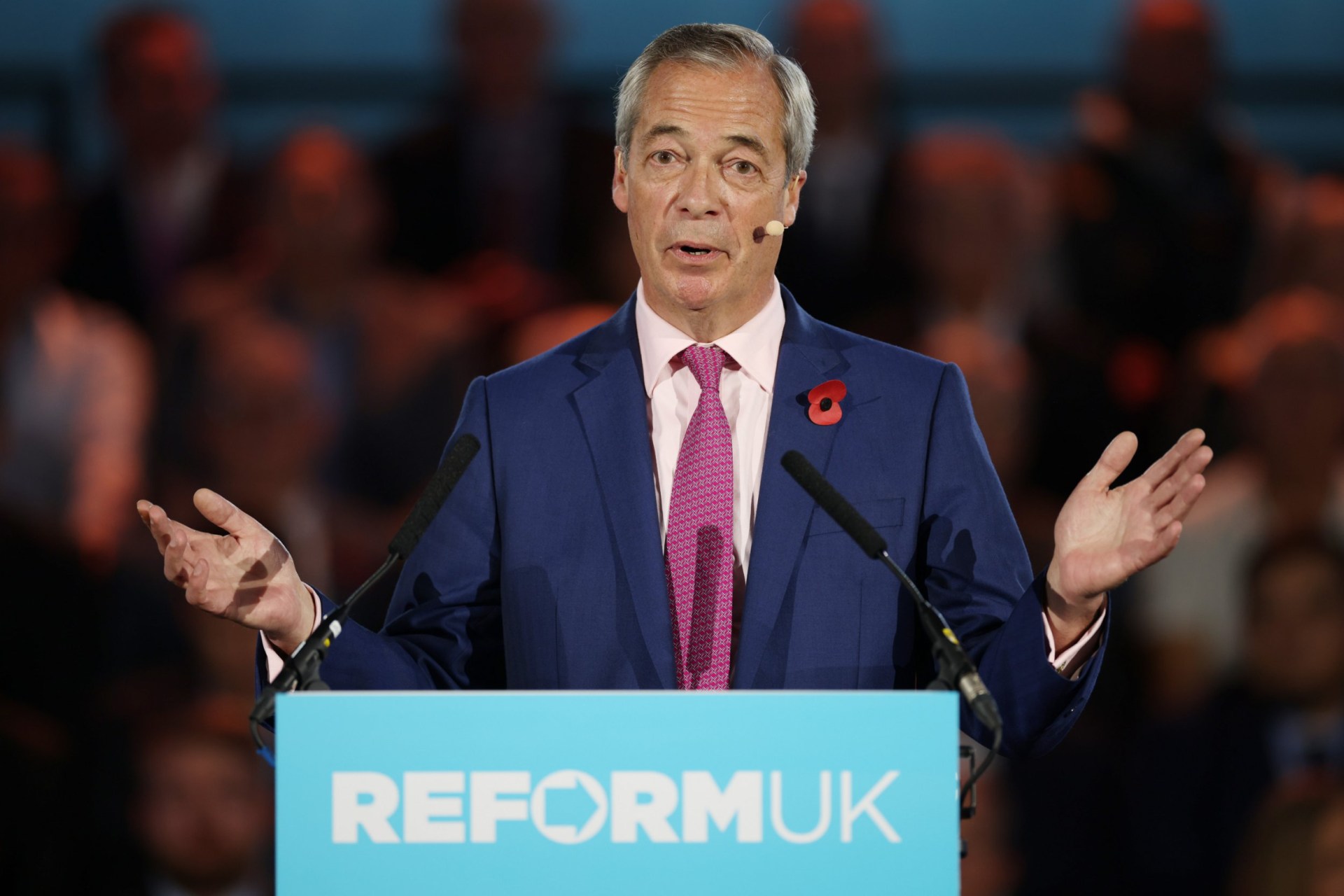
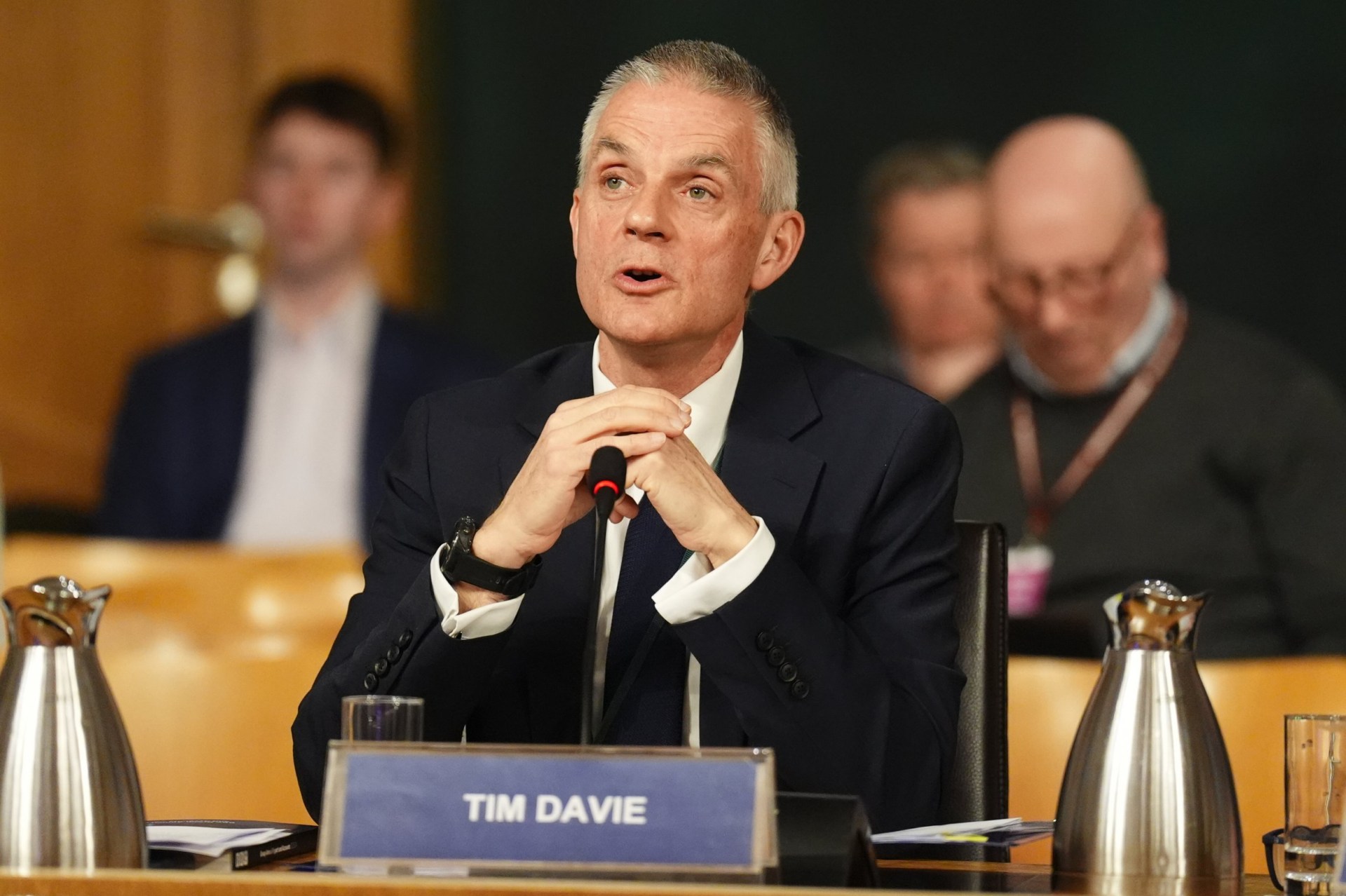
Tim Davie, the Director-General of the BBC, has long been seen as a figure who leaned towards conservative values. His tenure was marked by efforts to appease right-wing voices, including giving more platform to figures like Nigel Farage and aligning with parts of the right-wing press. However, this strategy backfired spectacularly, leading to his downfall. The irony is that those he sought to placate were not interested in balance but rather in dismantling the very institution he was supposed to lead.
Davie believed that by offering a warm seat to Farage and a sympathetic ear to the right-wing press, he could quell the criticism against the BBC. But instead, these groups intensified their attacks, seeing an opportunity to weaken the corporation further. This highlights a fundamental truth: you cannot negotiate with those who do not wish for your existence.
A Misstep That Sparked a Firestorm
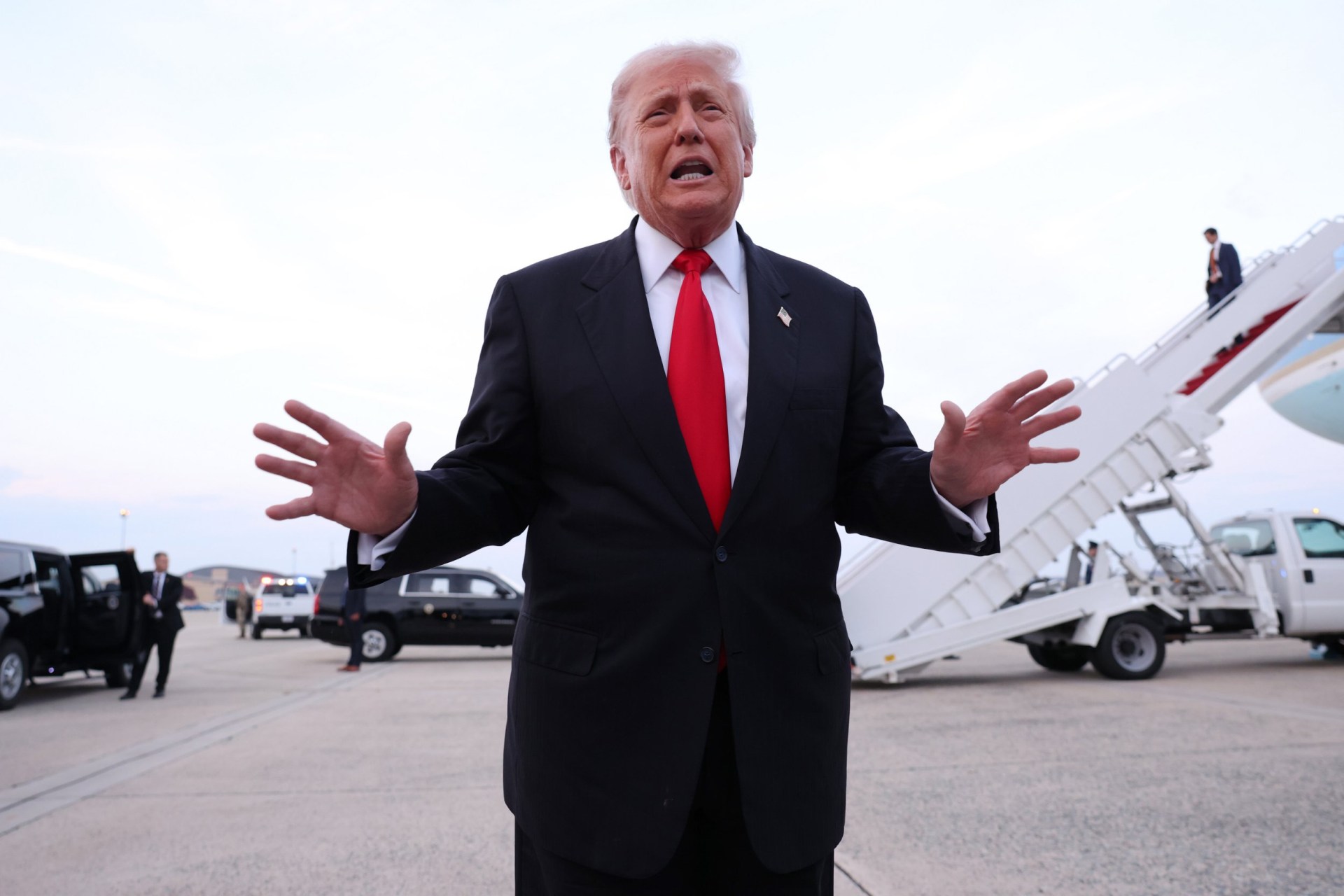
The beginning of Davie’s downfall can be traced back to an edit in a Trump documentary. What many saw as a standard editorial choice—splicing a speech to fit the narrative of the program—was interpreted by the American right as evidence of anti-Trump bias. The Trump White House accused the BBC of being “fake news,” and this accusation quickly spread to British right-wing outlets like GB News.
These outlets, which have long criticized the BBC for perceived liberal bias, seized the moment to push their agenda further. Within weeks, two high-profile resignations followed: Davie and the CEO of News, Deborah Turness. The BBC found itself once again apologizing to those who would not watch it even if they were paid to do so.
The Cost of Appeasement
Davie was expected to be the “grown-up” who could manage the growing tensions within the BBC. Instead, he became a symbol of the failure to address deeper issues. He underestimated the power of those who thrive on bad faith and misinformation. His approach was one of appeasement, feeding the culture war with scraps, believing that reason could prevail over hostility.
This approach mirrors what we’ve seen in the United States, where major networks have bowed to the demands of figures like Donald Trump. CBS settled a lawsuit with the former president, and Paramount removed Stephen Colbert from his late-night show, illustrating how fear can dictate decisions in media.
The New Normal in Journalism
The current climate in newsrooms is one of fear. Truth is increasingly seen as a risk, and journalists are hesitant to speak out against powerful figures. This is particularly evident in the way the BBC has responded to accusations of bias, shifting focus from factual reporting to managing tone and public perception.
This shift is problematic because it undermines the core mission of journalism: to report the truth, regardless of political implications. When institutions like the BBC start prioritizing approval over accuracy, they lose the trust of the public they serve.
The Fragile Independence of the BBC
Despite its flaws, the BBC remains one of the few British institutions capable of speaking truthfully without fear of retribution. It is this independence that makes it a target for critics who seek to control the narrative. The recent events highlight how fragile this independence has become, and it is time for the BBC to remember that it is the public, not the pundits, who fund its operations.
The challenge now is for the next Director-General to reclaim the BBC’s backbone. They need not align with any particular political ideology, but they must stop being afraid. They should stop apologizing for journalism and cease chasing the approval of those who view outlets like GB News as credible sources.
A Call for Courage
The lesson from Davie’s tenure is clear: no matter how far right or left you lean, it is never enough for those who seek to control the narrative. Power, not bias, is at the heart of this conflict. If the BBC does not rediscover its courage soon, it risks becoming a mere tool for right-wing interests, losing its ability to serve the public interest.
In the end, the BBC must remember that it is the public that sustains it. The true test of its strength lies in its ability to stand firm in the face of pressure, to report the truth without fear, and to resist the temptation to appease those who would see it fall.