
Trade Tensions Ease as China and US Announce Temporary Measures
China has announced a one-year suspension of “special port fees” on U.S. vessels, aligning with the United States’ decision to pause levies targeting Chinese ships. This move comes amid ongoing efforts to maintain a fragile trade truce between the two global superpowers.
The U.S.-China trade war has been marked by fluctuating tariffs and economic pressures, but recent diplomatic efforts have led to some de-escalation. Following a meeting between President Xi Jinping and former President Donald Trump in South Korea, both nations have taken steps to reduce tensions. At one point, tariffs on goods from both countries reached triple-digit levels, significantly impacting trade and disrupting global supply chains.
The suspension of port fees, which had applied to ships operated by or built in the United States that visited Chinese ports, began at 13:01 (05:01 GMT) on Monday, according to a statement from the Chinese transport ministry. This development marks a shift in policy and reflects the evolving relationship between the two economic giants.
The Decline of the U.S. Shipbuilding Industry
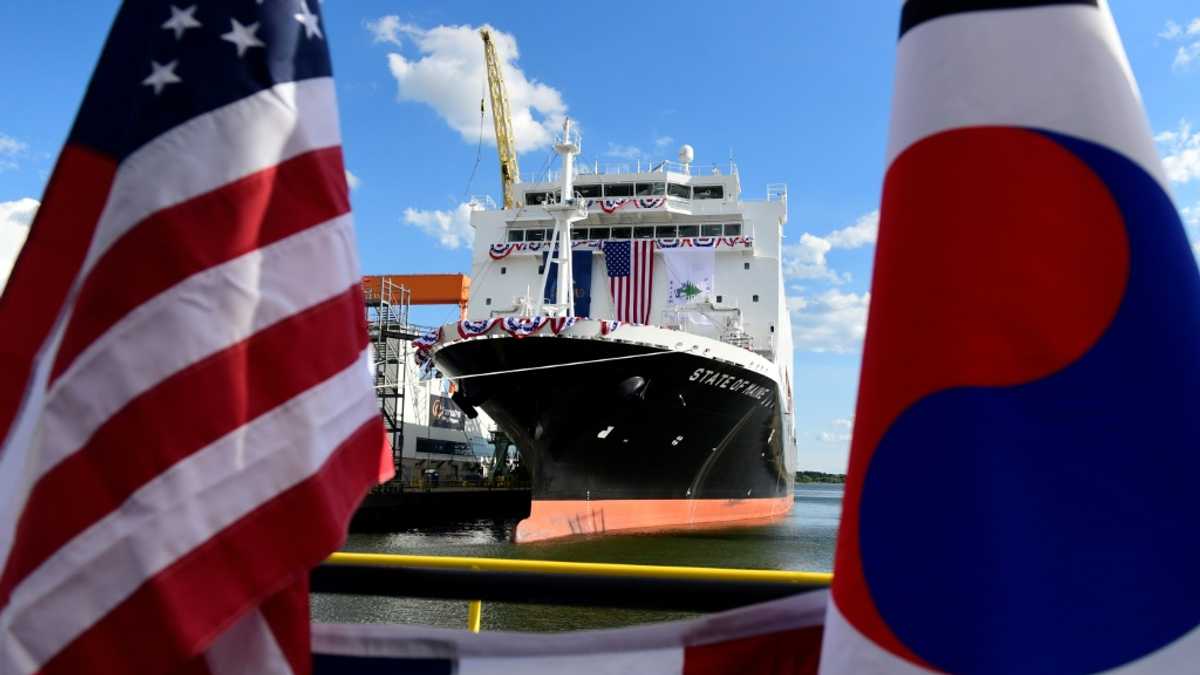
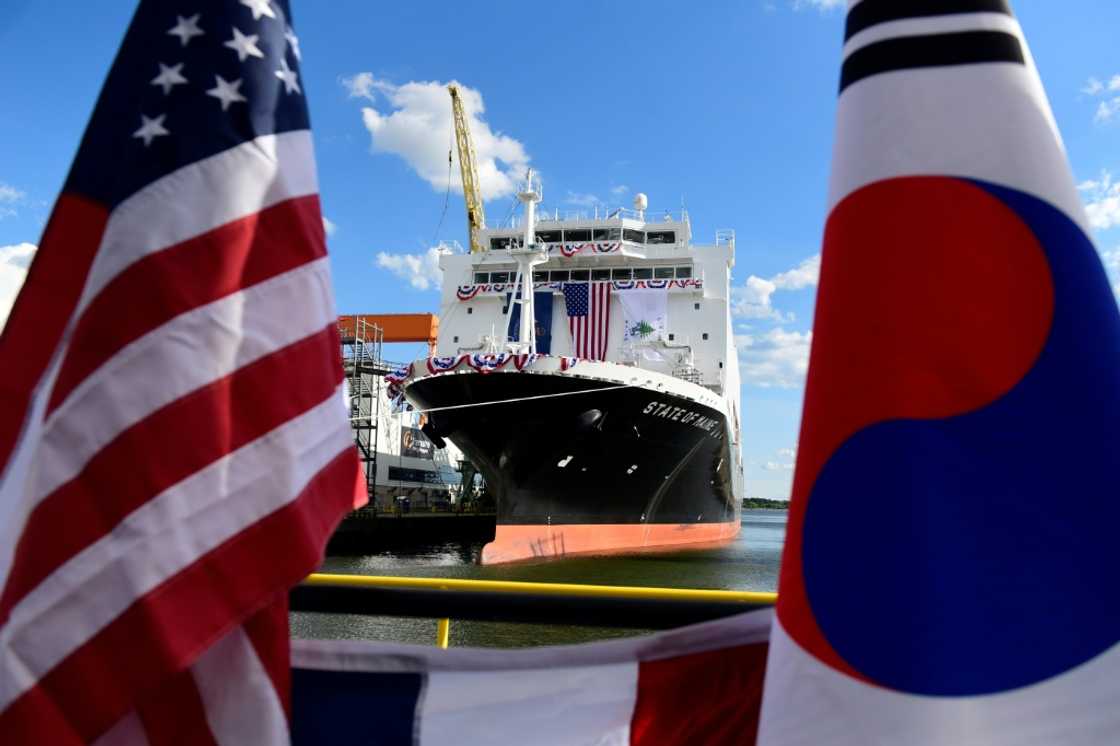
Once dominant after World War II, the U.S. shipbuilding industry has seen a steady decline over the years. Today, it accounts for just 0.1 percent of global output. In contrast, the sector is now largely dominated by Asian countries, with China leading the way by constructing nearly half of all ships launched globally, followed by South Korea and Japan.
This shift highlights the changing dynamics in the global shipbuilding market and underscores the growing influence of Asian manufacturers. China’s strategic position in this sector has not gone unnoticed, prompting various responses from other nations.
Suspension of Sanctions Against Hanwha Ocean
In addition to the port fee suspension, Beijing has decided to suspend sanctions against U.S. subsidiaries of Hanwha Ocean, one of South Korea’s largest shipbuilders. The year-long suspension, effective from November 10, is tied to the U.S. halting port fees it had imposed on Chinese-built and operated ships, according to a statement from China’s commerce ministry.
The decision to lift these sanctions follows accusations that the U.S. Section 301 investigation unfairly targeted China’s dominance in the shipbuilding industry. Earlier, China had imposed sanctions on five U.S. subsidiaries of Hanwha, restricting cooperation with them. These included Hanwha Shipping LLC, Hanwha Philly Shipyard Inc., Hanwha Ocean USA International LLC, Hanwha Shipping Holdings LLC, and HS USA Holdings Corp.
A planned investigation into whether the Section 301 investigation affected China’s shipbuilding industry and supply chain has also been put on hold for one year, according to the transport ministry.
Broader Economic Thaw
These suspensions are part of a broader trend of easing economic tensions since the Xi-Trump meeting. On Wednesday, China announced an extension of the suspension of additional tariffs on U.S. goods for one year, maintaining them at 10 percent. Additionally, some tariffs on soybeans and other U.S. agricultural products were suspended.
China also lifted an export ban on gallium, germanium, and antimony—metals essential for modern technology—on Sunday. Furthermore, following discussions, Beijing agreed to halt for one year restrictions on the export of rare earths technology.
On the U.S. side, Washington has also made concessions. It has agreed to suspend for one year export restrictions on affiliates of blacklisted foreign companies in which they have at least a 50 percent stake, according to the Chinese commerce ministry.
These developments signal a cautious but meaningful step toward restoring economic stability and cooperation between the two nations.