
The Importance of Farmers’ Day
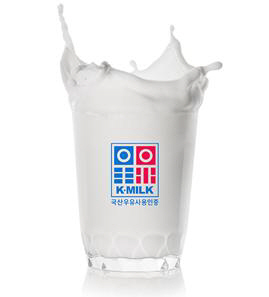
November 11 is celebrated as ‘Farmers’ Day’, a day that honors the tireless efforts of those who ensure that every morning, we can enjoy a glass of milk. This simple act of drinking milk is not just about taste or nutrition—it’s a testament to the dedication of farmers who work non-stop throughout the year. Their commitment is often described as “sweat in beads,” symbolizing the hard work and sincerity required to produce something as pure and fresh as milk.
In agriculture, especially dairy farming, this expression holds more significance than anywhere else. It’s not just about working long hours; it’s about taking care of life and maintaining quality. The result of their efforts is the fresh milk that graces our tables daily.
The Nature of Dairy Farming
Dairy farming is one of the most consistent fields within agriculture. Unlike other crops that have specific growing seasons, cows produce milk every single day. This means that dairy farmers have no days off. The saying, “Even among parents, milk should be salty,” highlights the responsibility and characteristics of the dairy industry, which deals with life itself.
According to data from the Rural Development Administration, dairy farmers spend approximately 71 hours per year on each cow. Out of this time, 42%—or about 30 hours—is dedicated to milking. Due to the nature of the milking process, ranches must be managed daily, regardless of how busy or urgent the situation may be. Without a detailed work plan, dairy farmers have to adapt to the daily rhythms of the cows.
The milking process typically occurs twice a day—at 6 a.m. and 6 p.m.—and when considering the preparation and cleanup, the day for a dairy farmer starts as early as 4 a.m. and ends at 8 p.m. Despite the long hours, the purpose is clear: to ensure that the milk produced is clean, safe, and of the highest quality.
Quality Control in Domestic Milk Production
Recent evaluations have shown that domestic milk has achieved a high level of quality control. Over 99% of crude milk produced in Korea meets the first-class standard, which requires less than 200,000 body cells and less than 30,000 bacteria. This standard is even stricter than those set by the United States (100,000 bacteria) and the European Union (400,000 somatic cells). These high standards are maintained through careful management, technological advancements, and strict hygiene protocols.
Key aspects of quality control include hygiene management, specification management, and monitoring the health of individual cows. These practices ensure that the milk produced is not only safe but also of the highest possible quality.
The Human Element in Dairy Farming
CEO Lee Bok-yeol of Saengyang Ranch in Hwaseong, Gyeonggi Province, emphasizes that dairy farming is not just about raising livestock. It involves constant communication and understanding of the cows’ conditions, as if talking to them every day. Unlike other forms of livestock farming where animals are raised and then sold, dairy farmers interact with cows daily, checking their health and producing milk. Any small changes in the cows are immediately noticed, highlighting the importance of vigilance and care.
This close relationship between farmers and cows underscores the fact that “milk is the quality of man’s protection.” It reflects the deep connection between the farmer’s efforts and the final product.
A Broader Perspective on Dairy Farming
The Milk Self-Management Committee, led by Chairman Lee Seung-ho, states that dairy farming goes beyond being a milk-producing industry. It is a precise form of agriculture that requires balancing various factors, including the health of the cows, the ranching environment, specification management, and sanitation. This steady and meticulous approach ensures that fresh domestic milk is available consistently, supports the sustainability of rural communities, and helps maintain a healthy food culture for future generations.
Through their dedication, dairy farmers play a crucial role in ensuring that the milk we drink is not only nutritious but also a symbol of hard work, care, and responsibility.