Rising Bicycle Accidents and Safety Concerns
According to recent data, there has been a significant increase in bicycle-related traffic accidents. The number of incidents rose to 5,571 last month, an increase of 425 from the previous year’s total of 5,146, representing an 8.3% growth. Alongside this rise in accidents, the death toll also increased sharply, reaching 75. This alarming trend highlights the growing risks associated with cycling, especially among younger individuals.
The most concerning aspect is the surge in bicycle accidents involving teenagers under the age of 20. The number of such incidents climbed from 1,077 to 1,620, marking the largest increase. This trend is attributed to the popularity of certain types of bicycles that are modified for speed and performance, often at the expense of safety.
The Rise of Modified Bikes
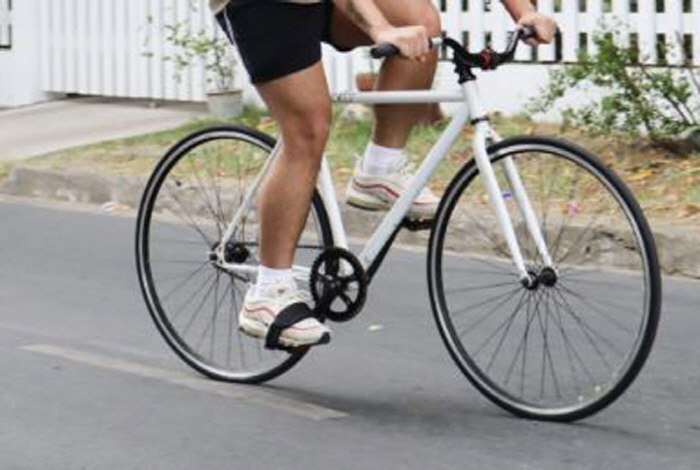
Pixie bikes, which have gained traction among teenagers through social media platforms, are a particular concern. These bikes are designed with a direct connection between the rear wheel and the pedal, allowing for a greater sense of speed as the bike’s weight decreases. However, some users have removed the braking system, leading to dangerous behaviors such as acrobatic riding on roadways and filming videos while ignoring safety protocols.
Such modifications can lead to serious consequences. According to statistics from a university hospital in 2018, the highest number of patients involved in bicycle accidents were aged 11 to 20, with male patients being approximately three times more common than female patients. The lower arm was the most frequently injured area, followed by the shoulders, feet, ankles, wrists, and hands.
Common Injuries and Their Implications
Fractures are the most common injury resulting from bicycle accidents. Vehicles like Pixie bikes and electric kickboards, which are difficult to brake, often result in fractures when riders fall and use their hands to break the fall. One of the most critical injuries is a clavicle fracture, which occurs when external shocks or accidents transmit force to the arms, shoulders, and chest.
The clavicle, a long S-shaped bone located beneath the neck and in front of the shoulder, plays a crucial role in fixing the arm to the torso. When it breaks or cracks, it is referred to as a clavicle fracture. These fractures are typically caused by large external forces and often result in simple fractures that account for about 2-5% of all fracture cases. However, complications such as nerve damage or vascular issues can arise if the bone fragments protrude during the fracture.
Diagnosis and Treatment of Clavicle Fractures
Diagnosing a clavicle fracture involves a specialist examining the movement of the arm, the level of pain, and swelling. An X-ray is used to identify the location and extent of the fracture. In some cases, additional tests like computed tomography (CT) or magnetic resonance imaging (MRI) may be required to assess muscle, soft tissue, and nerve damage and to plan any necessary surgical intervention.
For simple fractures, treatment usually involves using an arm bandage for about 6-8 weeks to allow the bone to heal properly. If there is accompanying nerve or blood vessel damage, or if the fracture is severe, surgery may be necessary. Most patients undergo bandage fixation and receive treatment and rehabilitation for around six months. In cases where bones do not heal correctly or deformities persist, further treatment or surgery might be considered.
Expert Advice on Safety
Park Ji-soo, an orthopedic surgeon at Ulsan Elijah Hospital’s Joint Spine Center, emphasized the importance of safety when using bicycles. He noted that while bicycles are primarily intended for health benefits, they can lead to major accidents if safety measures are ignored. “It is important to remember that illegally modifying a bicycle can endanger not only yourself but also others,” he said. “Following safety rules is essential.”
He also advised that after any accident or fall, it is crucial to visit a hospital for an accurate diagnosis. While minor pain may seem insignificant, fractures can be difficult to detect externally, and the causes of pain can vary. Prompt medical attention is necessary to prevent further complications.
Essential Safety Practices
When using a bicycle, wearing a safety helmet is a must. Riders should avoid sidewalks and crosswalks and follow right-hand traffic laws similar to those for vehicles. It is important to stay away from the edge of the road and designated bicycle lanes, and to keep speeds below 15 km/h on pedestrian roads. For nighttime riding, checking lights in advance is recommended, as well as developing the habit of regular bike maintenance.
Additionally, cyclists should never dismount and cross at intersections, and should avoid drinking alcohol or overloading the bike. Adhering to these guidelines can significantly reduce the risk of accidents and ensure safer cycling experiences.