
Decline in Dengue Cases in Islamabad
The Islamabad district administration has reported a steady decline in dengue cases, attributed to continuous surveillance and timely anti-dengue operations. This reduction highlights the effectiveness of the ongoing efforts to control the spread of the mosquito-borne disease.
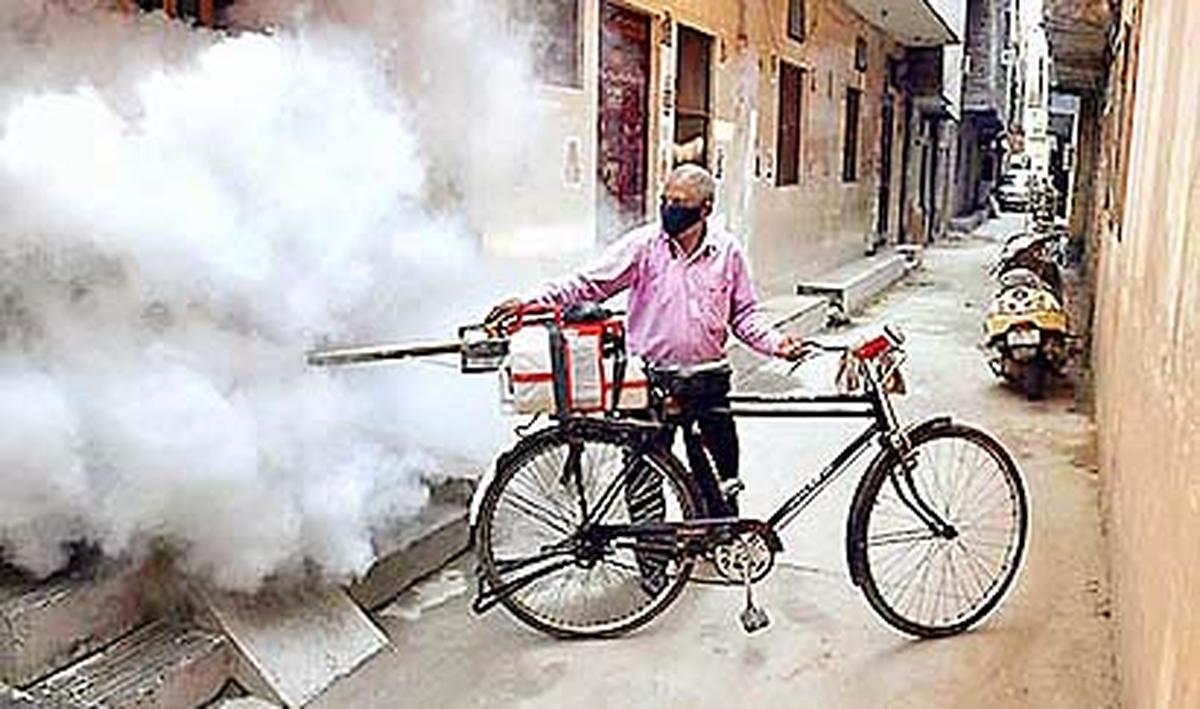
During the latest drive, 34,110 sites were inspected, 1,146 hotspots were fumigated, and 983 houses were sprayed, while only 12 new cases were recorded in the last 24 hours. These numbers reflect the proactive approach taken by local authorities to prevent the proliferation of mosquitoes.
According to the report released on Sunday, field teams conducted inspections at 34,110 locations across both rural and urban areas as part of preventive measures. Fogging was carried out at 1,146 identified hotspots, while 983 houses were sprayed to eliminate mosquito breeding sites. The comprehensive inspection and treatment efforts have been instrumental in reducing the risk of dengue transmission.
In the past 24 hours, 12 new dengue cases were confirmed in different areas of Islamabad. Of these, 7 patients were from rural zones, while 5 cases were reported from urban areas. At present, 30 dengue patients are under treatment at various hospitals in the city. The number of active cases remains relatively low, indicating that the interventions are having a positive impact.
Larvae inspection teams found positive larvae at 127 locations and negative at one site, showing that vector control measures are actively being implemented where risks are detected. This data underscores the importance of regular monitoring and swift action in high-risk areas.
The district administration stated that regular inspections, rapid response, and community awareness have helped in controlling the spread of dengue. The consistent decline in new cases reflects the impact of timely field interventions and strict monitoring. These efforts have not only reduced the number of infections but also increased public confidence in the administration’s ability to manage the situation effectively.
Officials also reported that most hospitalized patients have recovered and returned home, with only a limited number still under treatment. The administration emphasized that continued cooperation from citizens is essential to sustain this downward trend. Public participation plays a crucial role in maintaining the progress made so far.
The administration warned that legal action will be taken against individuals or institutions found violating dengue prevention guidelines and standard operating procedures (SOPs). This serves as a reminder of the importance of adhering to health protocols to protect the community.
Residents are urged to remain vigilant, eliminate stagnant water around their homes, and report any potential breeding sites to authorities. These small but significant actions can make a big difference in preventing the spread of dengue.
“Collective responsibility and community participation are key to making Islamabad dengue-free,” the district administration added, reaffirming its commitment to maintaining daily surveillance and field inspections to ensure full control over the mosquito-borne disease.