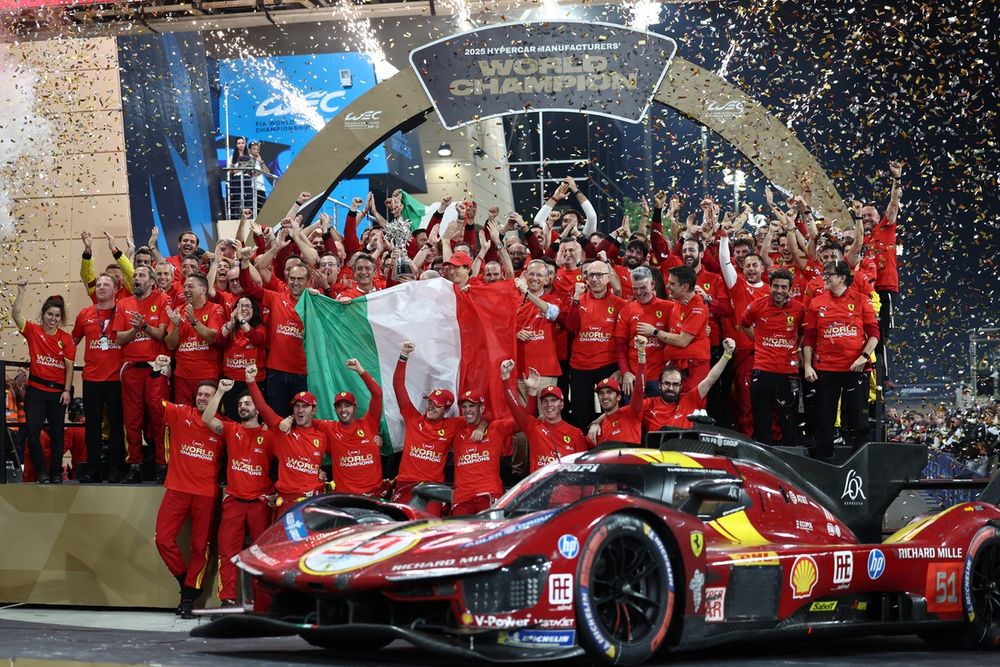
Toyota’s Dominance in the 2025 WEC Finale
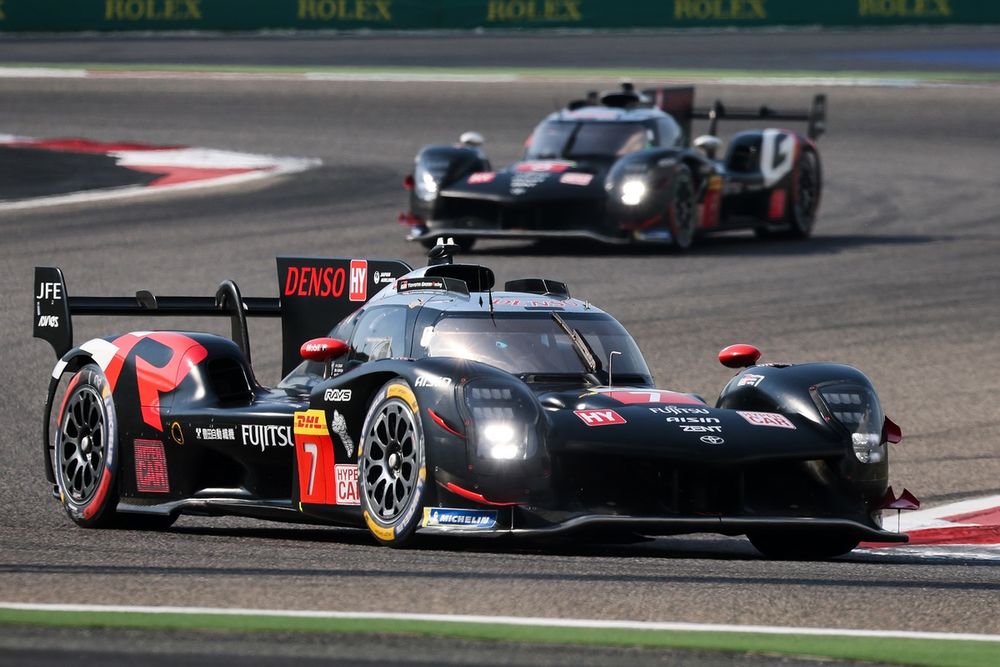
Toyota’s performance in the 2025 World Endurance Championship (WEC) finale at the Bahrain International Circuit was nothing short of impressive. The Japanese manufacturer secured a 1-2 finish, with its GR010 HYBRID Le Mans Hypercar proving to be the dominant force on the track. This result not only solidified Toyota’s reputation as a powerhouse in endurance racing but also had significant implications for the championship standings.
A Strategic Advantage
The Balance of Performance (BoP) adjustments played a crucial role in Toyota’s success. These tweaks gave the Japanese manufacturer an edge over its competitors, particularly in the Hypercar class. While some rivals faced disadvantages due to changes in the BoP, Toyota capitalized on its experience and familiarity with the circuit. The Bahrain International Circuit, which has hosted 13 WEC rounds before Saturday, has long been a stronghold for Toyota, with the GR010 HYBRID remaining unbeaten in both six- and eight-hour races.
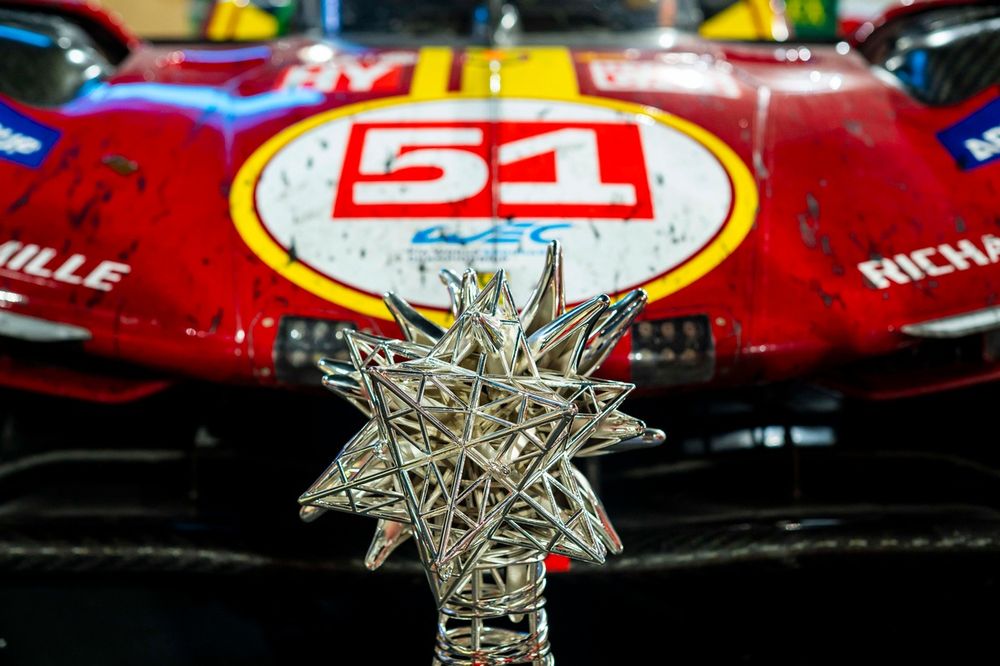
Toyota’s #7 and #8 cars, driven by Mike Conway, Nyck de Vries, Kamui Kobayashi, Brendon Hartley, Sebastien Buemi, and Ryo Hirakawa, showcased their dominance by finishing first and second, respectively. This result was pivotal in the championship battle, as it helped Ferrari secure both the manufacturers’ and drivers’ titles.
Ferrari’s Strategic Approach
Ferrari, despite being the second fastest car on the track, opted for a more conservative strategy during the race. The 499P LMH, driven by Antonio Giovinazzi, James Calado, and Alessandro Pier Guidi, finished fourth, allowing the sister car of Nicklas Nielsen, Miguel Molina, and Antonio Fuoco to move up to third in the final points. This decision ultimately contributed to Ferrari’s 1-2-3 sweep in the championship.
Ferdinando Cannizzo, Ferrari’s sportscar racing technical boss, acknowledged Toyota’s strength, stating, “It was probably impossible to beat Toyota here. They did an amazing race: they probably, not probably, they definitely deserved the win.” Ferrari’s approach was pragmatic, focusing on securing the championship rather than chasing a victory that seemed out of reach.
Tyre Strategy and Race Dynamics
One of Toyota’s key strengths has always been its ability to manage tyre degradation. The Bahrain circuit, known for its abrasive surface, poses a significant challenge for teams. Despite this, Toyota’s GR010 HYBRID maintained a competitive edge, even when compared to Ferrari’s 499P LMH.
During the race, Ferrari’s 499P LMH briefly challenged Toyota’s lead, with Giovinazzi passing Hartley for second place. However, the decision to stick with hard tyres on the left side of the car throughout the race proved to be a strategic misstep. As temperatures dropped, Toyota adapted its tyre strategy, switching to medium compounds, which allowed them to maintain their lead.
Aston Martin’s Unlikely Lead
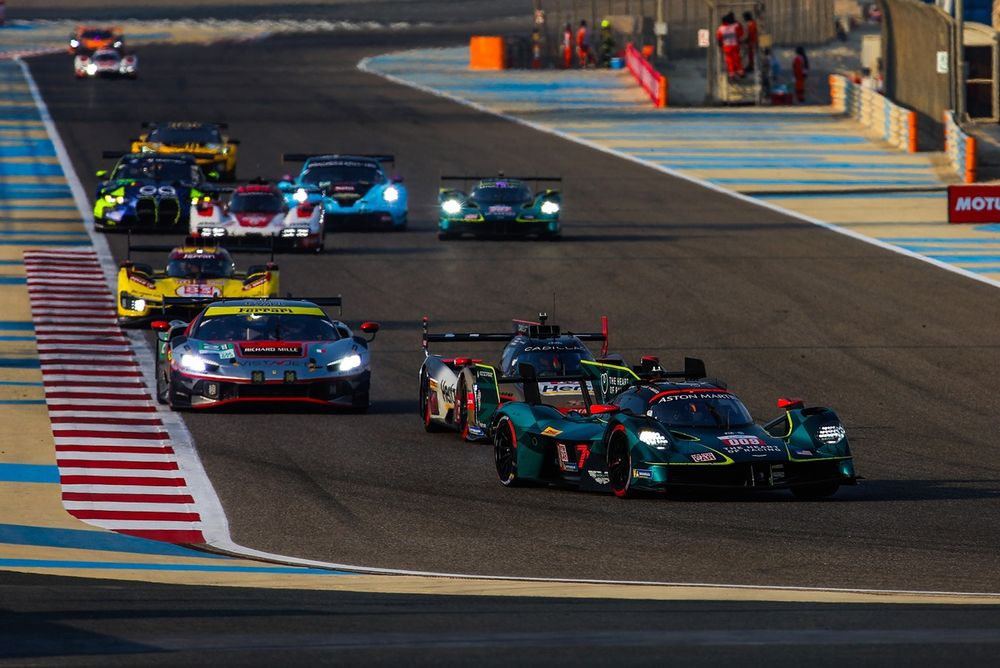
Aston Martin made headlines in the race, leading a WEC event for the first time with its Valkyrie LMH. Alex Riberas, driving the #009 The Heart of Racing entry, managed to take the lead after a forced tyre change during the Virtual Safety Car (VSC). However, a drive-through penalty for a virtual safety car infringement ended his brief moment of glory, preventing the team from securing a podium finish.
Despite this setback, the Valkyrie LMH showed promise, with Sorensen finishing seventh after receiving used tyres for the final run. The team’s performance highlighted the challenges of competing against the top-tier manufacturers like Toyota and Ferrari.
Porsche and Cadillac’s Struggles
Porsche and Cadillac faced significant challenges in the race, with both teams struggling to keep pace with Toyota and Ferrari. The 963 LMDh, which suffered weight and power penalties under the BoP, found it difficult to compete effectively. Porsche’s #6 car, driven by Matt Campbell, Mathieu Jaminet, and Laurens Vanthoor, faced early setbacks, including a lock-up in qualifying and an early pit stop that disrupted their strategy.
Cadillac, while not a serious contender for the championship, managed to finish sixth with the #12 car. The Caddy V-Series.R LMDh received a 30bhp-plus hit under the BoP, making it challenging to compete at the front.
Conclusion
The 2025 Bahrain 8 Hours was a testament to Toyota’s dominance in endurance racing. The Japanese manufacturer’s strategic use of the BoP, combined with its strong performance on the track, ensured a successful conclusion to the season. Ferrari, despite facing challenges, secured both the manufacturers’ and drivers’ titles, highlighting the importance of a well-executed race strategy.