
Indigenous Elders Launch Landmark Legal Claim Over Melbourne and Surrounding Areas
Indigenous elders have made a bold legal move by filing a native title claim that covers the majority of Melbourne and several other regions in Victoria. This significant step marks a pivotal moment in the ongoing efforts to recognize and protect the rights of the Wurundjeri people, who are the traditional custodians of the land.
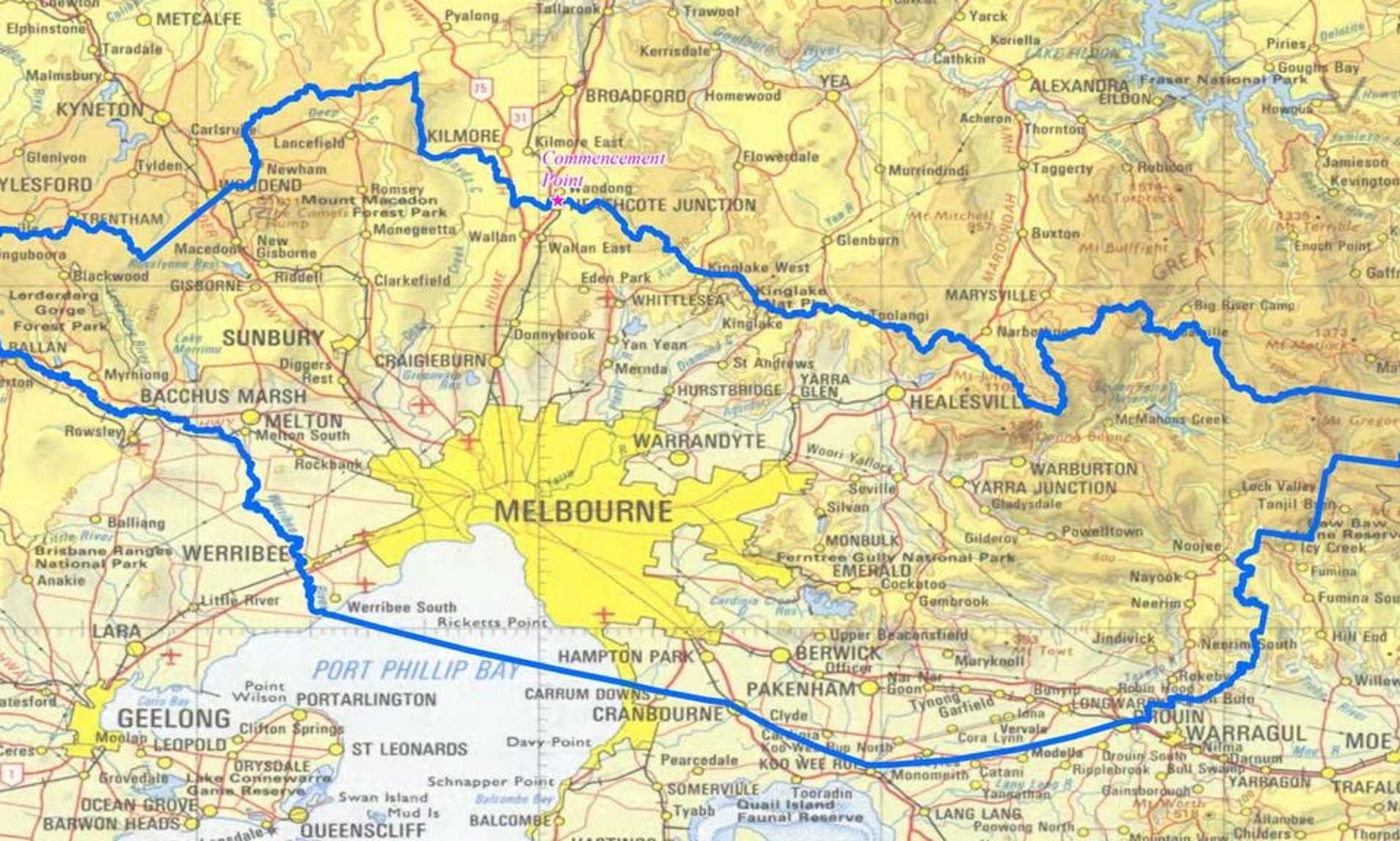
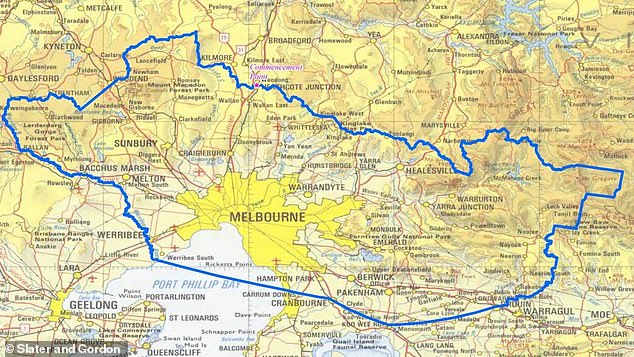
The claim was submitted to the Federal Court on Friday by 11 members of the Wurundjeri community. It encompasses over 10,000 square kilometers of territory, stretching from the Great Dividing Range to the Macedon Ranges, across the Yarra Valley, Mount Baw Baw, and down to Port Phillip Bay. The area includes numerous Crown land sites such as the MCG, shopping centers, golf courses, public parks, and beaches.
This legal action is specifically focused on Crown land and does not affect private properties or infrastructure. However, if successful, it would grant the Wurundjeri people substantial influence over the management of these lands and waterways. They would also have the final say in protecting culturally significant sites, which could impact fire management strategies in bushfire-prone areas.
If the claim is approved, the Wurundjeri people would gain recognized traditional owner status under federal law. This would provide them with decision-making power over public land use and the right to be consulted on activities within those areas.
The claim will now be reviewed by the National Native Title Tribunal. In addition, there are six other native title applications currently before the Federal Court in Victoria, collectively covering most of the state. The legal firm Slater and Gordon is representing the latest claim, relying on historical evidence that highlights the Wurundjeri people’s deep connection to the land.
The firm has also gathered evidence showing that elders have passed down knowledge about the land, including ceremonies, fishing, hunting, language, and art. This cultural continuity is essential for the court’s consideration.
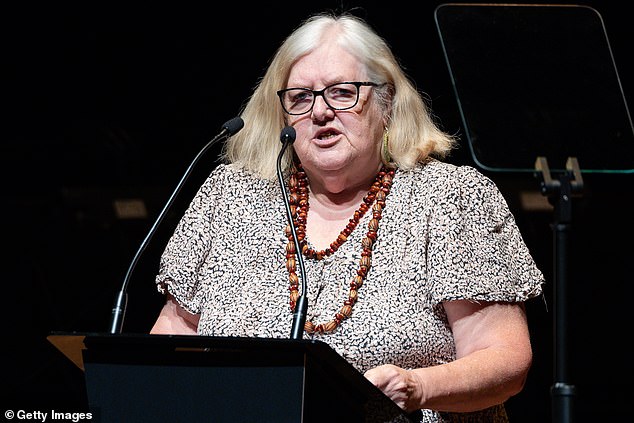
Wurundjeri elder Di Kerr emphasized the importance of this process, stating that it is about “ensuring our connection to country is recognized in law, as it has always existed in truth.” She expressed pride in the ongoing efforts and hopes for collaboration with governments and Parks Victoria to co-manage the land.
Elder Perry Wandin noted that the Wurundjeri people have long been at the forefront of protecting their culture and Country in Melbourne and surrounding areas. He called for the recognition of the traditional lore and customs of the Wurundjeri Woi-wurrung people, emphasizing that the goal is not to take property but to work alongside governments and local communities to care for and restore the land.
To date, seven native titles have been granted in Victoria, while six claims, covering the majority of the state, remain pending. Other Indigenous groups, such as the Noongar people in Perth and the Kaurna people in Adelaide, have also achieved native title settlements in recent years.
The latest claim comes shortly after Victoria’s controversial treaty passed through Parliament. Although negotiations between the government and the Indigenous representative body will not begin until July 2026, the government plans to hold a public ratification with the First Peoples Assembly at Federation Square on December 12.
This development raises important questions about the future of Aboriginal rights and governance in Australia. Could Victoria’s groundbreaking treaty spark nationwide change? How might this monumental ruling impact native title claims across the country? As the legal process unfolds, the voices of Indigenous elders continue to shape the narrative of land, culture, and identity in Victoria.