
The Rise of Chinese E-commerce Giants in Europe
Fast fashion and other cheap goods from China continue to flood Europe’s markets, presenting a significant challenge for authorities. The European Union is grappling with the overwhelming influx of these products, which not only pose logistical hurdles but also raise concerns about regulatory compliance.
When the Chinese fast-fashion online retailer Shein opened its first physical boutique last week, it sparked both protests and a surge of shoppers. The store, located inside the BHV Marais department store in central Paris, has become a focal point of public debate. Its presence in the heart of haute couture highlights the complex relationship many Europeans have with such companies.
Ultracheap and Duty-Free: A Double-Edged Sword
Shein, often compared to the Temu platform that allows manufacturers to sell directly to consumers, has faced criticism for issues like counterfeiting, aggressive marketing, poor labor conditions, and unsafe products. Despite these concerns, many consumers appreciate the affordability and variety offered by these platforms.
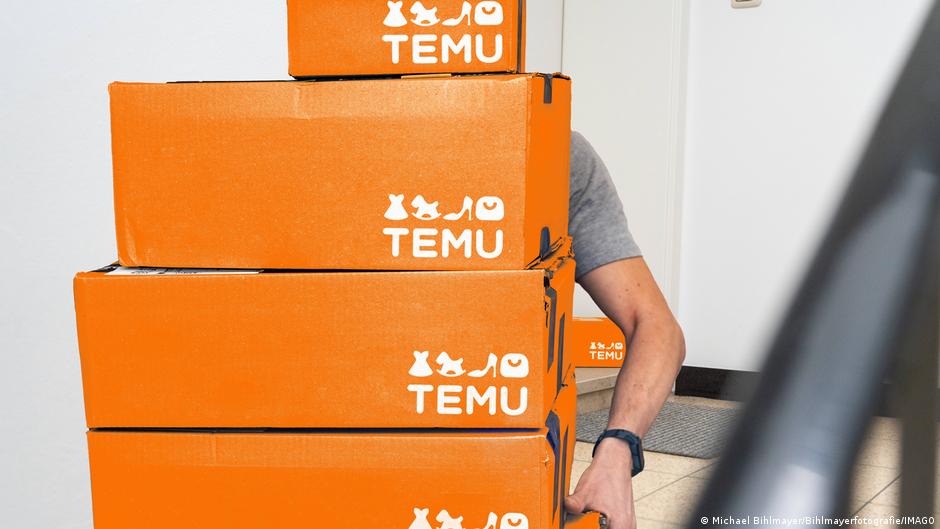
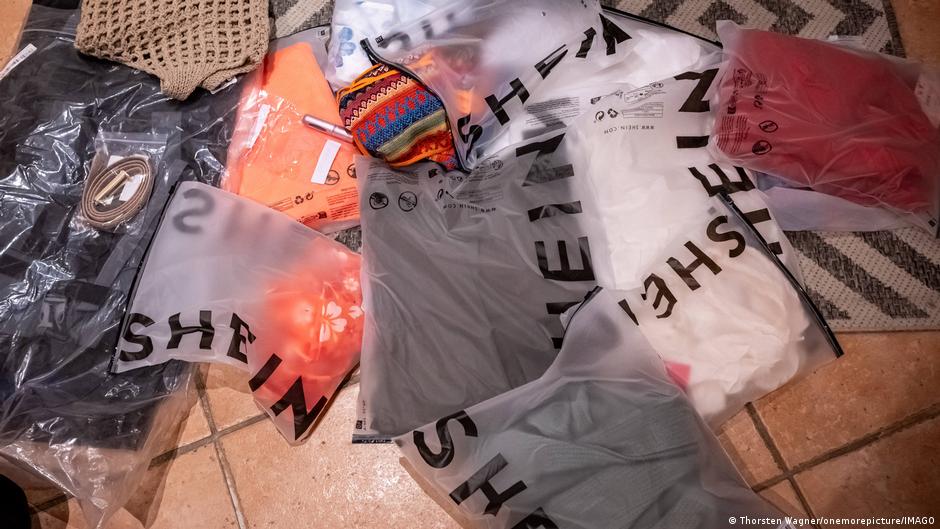
While the business models of Shein and Temu differ, the outcome is similar: an influx of inexpensive Chinese goods accompanied by excessive packaging. One key factor contributing to their success is the European Union’s exemption on import duties for packages valued under €150 ($174). This policy has allowed for a surge in low-cost imports, making it easier for consumers to access these products.
In contrast, the United States had a similar loophole for packages valued under $800 (€691), but it has since been closed, leading to a decline in shipments. The EU is currently in the final stages of implementing a similar rule to address this issue, although it may not take effect until 2028.
A Surge in Online Activity
The popularity of these platforms is evident in their user numbers. In the first half of 2025, Temu had an average of 115 million monthly active users in the EU, while Shein had 145 million. These figures represent a significant increase compared to the previous six months.
Environmental and Logistical Challenges
One of the most pressing concerns associated with these e-commerce giants is sustainability. Many goods purchased through these platforms are sent directly from Chinese manufacturers to consumers worldwide. These individually packed items are transported quickly, overwhelming customs authorities and often resulting in difficult return processes.
Environmental groups are particularly concerned about the waste generated by cheap fast fashion, including plastic and cardboard packaging, as well as the carbon emissions from frequent flights. The scale of the issue is staggering.
According to a report published in February by the EU executive Commission, around 4.6 billion low-value items were imported into the EU in 2024. This is double the number from 2023 and more than triple the number from 2022. Of these daily shipments, 91% originate from China, although not all are from Temu or Shein.
“Europe is inundated by a tsunami of small parcels coming from China, and it’s not about to stop,” said Agustin Reyna, director general of the Brussels-based European Consumer Organisation (BEUC).
Consumer Protection and Safety Concerns
Beyond environmental issues, consumer protection agencies and the European Commission have raised alarms about unsafe products that do not meet EU standards. Recent test results from Stiftung Warentest, an independent Berlin-based organization, highlight these concerns.
The tests, conducted with groups from Belgium and Denmark, examined necklaces, USB chargers, and baby toys. Out of 162 items purchased from manufacturers selling through Temu and Shein, 110 did not meet EU standards, with around a quarter posing potential dangers. Some items contained high levels of formaldehyde or heavy metals like cadmium, while some USB chargers overheated.
The European Consumer Organisation argues that violating safety regulations creates unfair competition, as local companies must adhere to strict standards while others do not.
Regulatory Actions and Fines
EU authorities have taken steps to address these issues. In May, the EU Commission notified Shein about practices on its platform that infringe EU consumer law, including fake discounts and misleading product labels. In July, the Commission found that Temu was in breach of its obligations under the Digital Services Act by not adequately preventing the sale of illegal products.
In October, Germany’s antitrust authority, the Cartel Office, initiated proceedings against Temu, investigating whether the platform influences pricing on its German marketplace. In August, Shein was fined €1 million by Italy’s competition authority for using misleading environmental claims. In July, Shein was fined €40 million by France’s competition agency for misleading discounts and environmental claims, bringing total French fines for the company this year to €191 million.

France has proposed new regulations targeting fast-fashion companies like Temu and Shein, which could include banning their ads, requiring environmental impact reports, and imposing a levy of up to €10 per garment.
While big fines and stricter regulations may slow down these Chinese e-commerce giants, they will likely continue to operate. “Europe needs to get its act together and make Temu and Shein accountable,” said Agustin Reyna. “We need clear responsibilities and deterrent consequences when the products they sell break our rules.”
To achieve this, the EU must implement ambitious customs reforms and enhance market surveillance. However, if the EU continues to allow duty-free imports under €150 until 2028, companies will keep exploiting the loophole, and European customers will likely continue to shop.