
Global Climate Challenges and the Path to Green Growth
The United Nations (UN) has highlighted a critical issue in its recent statements: despite significant investments in renewable energy, overshooting the 1.5°C global temperature limit appears increasingly inevitable. This warning comes as the world grapples with the urgent need for climate action.
At the Energy Transition Roundtable during the 30th Conference of the Parties to the United Nations Framework Convention on Climate Change (COP30) in Belém, Brazil, UN Secretary General António Guterres called for people-centred investment in grids and an end to fossil fuel subsidies. The 1.5°C target is a crucial goal set by nations to avoid the most severe impacts of climate change. However, the Earth has already warmed by approximately 1.2°C since pre-industrial times, making the path to meet this target increasingly challenging.
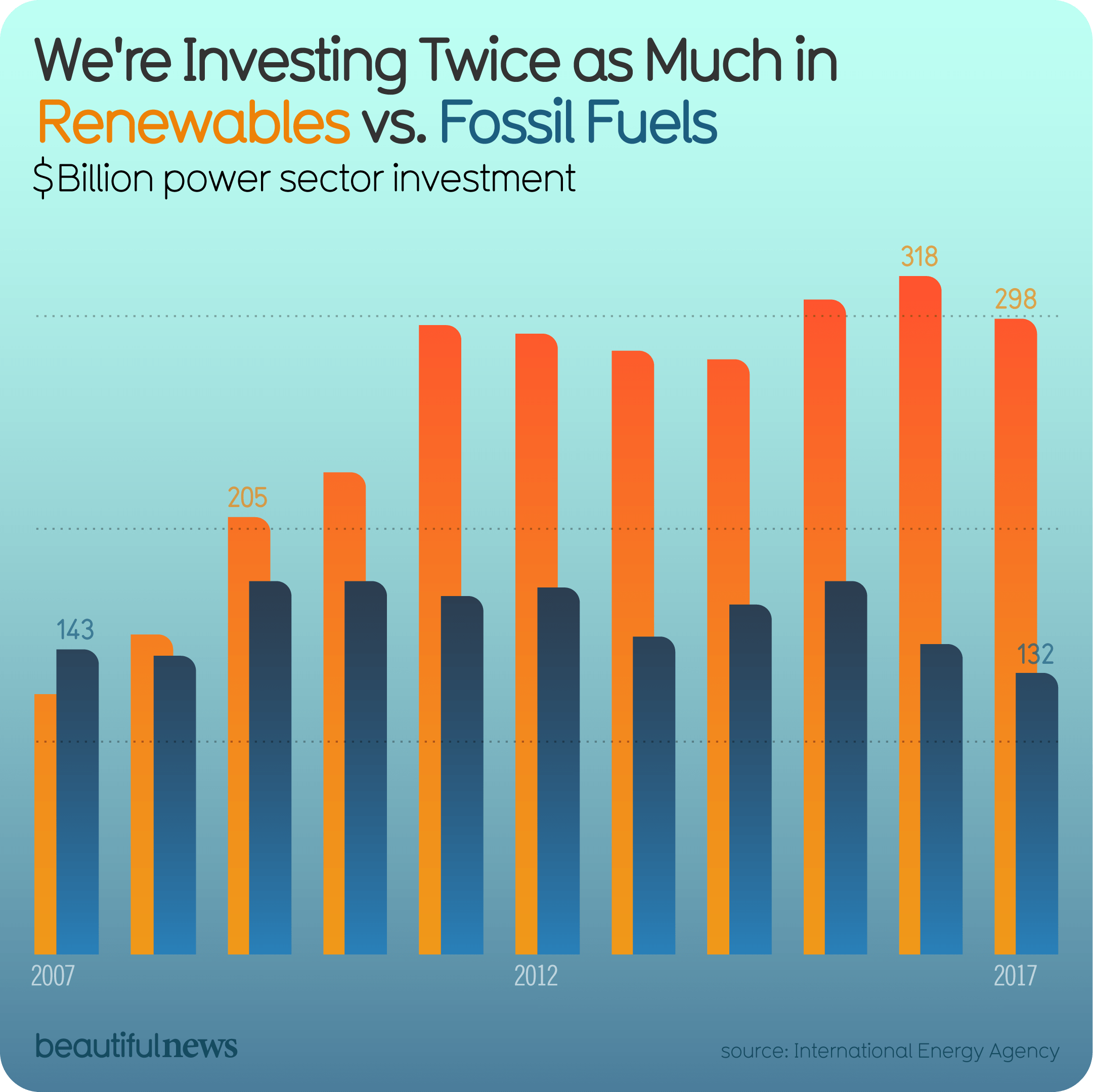
Guterres emphasized that while renewable energy has seen remarkable growth, with 90% of new power capacity coming from renewables last year, more needs to be done. He pointed out that global investment in clean energy reached $2 trillion, surpassing fossil fuels by $800 billion. Renewables are now the cheapest source of new electricity in nearly every country, creating three times more jobs than fossil fuels. Despite these advancements, the pace of transition must accelerate to prevent further climate disasters.
Key Steps for a Sustainable Future
Guterres outlined several key steps to address the climate crisis:
- Align laws, policies, and incentiveswith a just energy transition and eliminate fossil fuel subsidies that distort markets.
- Prioritize people and equityin the transition, supporting workers and communities dependent on fossil fuels through training and new opportunities.
- Invest in grids, storage, and efficiencyto match the rapid growth of renewable energy.
- Meet all new electricity demand with clean power, including from data centers driving the AI revolution.
- Unlock finance at scale for developing countries, ensuring equitable access to resources and international cooperation.
These measures are essential to achieve the goal of limiting global warming to below 1.5°C by the end of the century. Guterres stressed that global emissions must fall by almost half by 2030, reach net zero by 2050, and go net negative afterward.
African Development Bank’s Commitment to Climate Action
Meanwhile, the African Development Bank (AfDB) Group President, Sidi Ould Tah, reaffirmed the institution’s commitment to transforming “promises into progress.” The AfDB has achieved financing parity between climate adaptation and mitigation, marking a significant milestone in its efforts to support sustainable development.
Speaking at the Belém Climate Summit, Dr. Ould Tah highlighted the Bank’s determination to intensify climate action. He emphasized the importance of protecting nature, which plays a vital role in combating climate change and ensuring humanity’s survival. African delegates underscored the continent’s critical role in global climate stability, noting the loss of tropical forests and the need for equitable access to carbon markets.
Protecting Africa’s Ecosystems
The Congo Basin, home to the world’s largest tropical peatlands, stores about 29 billion tons of carbon—equivalent to three years of global emissions. Ould Tah outlined the Bank’s climate strategy, focusing on mobilizing capital for green growth, promoting debt-for-nature swaps, empowering women and youth in environmental protection, and investing in resilient infrastructure.
Ould Tah also joined Brazilian President Luiz Inácio Lula da Silva to launch the Tropical Forests Forever Facility, a global fund aimed at supporting countries with tropical forests. This initiative aligns with the AfDB’s biodiversity programs, such as the Congo Basin Forest Fund and the Central African Forests Commission.
Innovations in Climate Finance
As COP30 negotiations resume, delegates are expected to make progress on the New Collective Quantified Goal (NCQG), which commits developed countries to mobilize at least $300 billion annually by 2035 for developing nations. With these commitments yet to materialize, the AfDB is helping explore innovative financing solutions to support climate action in Africa.
Conclusion
The challenges posed by climate change require immediate and coordinated global action. From the UN’s call for a just energy transition to the AfDB’s commitment to green growth, the path forward involves not only technological advancements but also social and economic transformations. By prioritizing equity, investing in sustainable infrastructure, and fostering international cooperation, the world can work towards a cleaner, more inclusive, and resilient future.