
Strong Earthquake Strikes Northern Japan
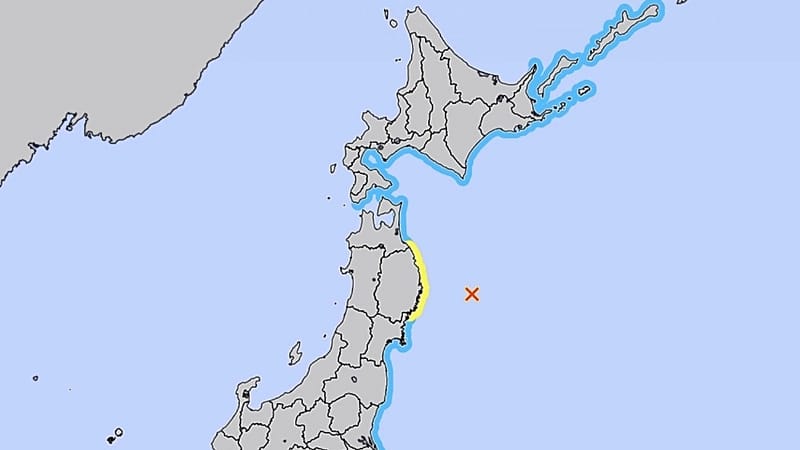
A powerful 6.9 magnitude earthquake shook northern Japan on Sunday evening, triggering a series of aftershocks. The Japan Meteorological Agency (JMA) reported the event, which occurred off the coast of Iwate Prefecture at a depth of 10 kilometers below the sea surface. The quake struck around 5 p.m. Japan time (9 a.m. CET), causing widespread concern among residents and authorities.
Tsunami Advisory Issued and Later Canceled
Following the earthquake, a tsunami advisory was issued for the region. However, it was later canceled as no significant damage or large waves were recorded. Some areas reported waves measuring up to 20 centimeters, which did not pose a serious threat. Despite this, authorities remained cautious, as the potential for larger waves still existed.
The JMA warned that tsunami waves could reach up to 1 meter along the northern coast, and the advisory remained active for an hour after the initial quake. This precautionary measure aimed to ensure public safety, especially in coastal communities vulnerable to seismic activity.
No Immediate Injuries or Damage Reported
As of now, there are no immediate reports of injuries, structural damage, or issues at the two nuclear power plants located in the area. This is a critical factor, as the region has a history of seismic events, including the devastating 2011 Tōhoku earthquake and tsunami. Authorities have been closely monitoring the situation to prevent any potential hazards.
Impact on Transportation and Power
The earthquake also disrupted transportation in the region. Bullet trains operated by JR East experienced temporary delays, with operations between Sendai and Shin-Aomori train stations suspended due to power shortages. According to local news reports, the Tohoku Shinkansen briefly lost power, leading to service interruptions.
This disruption highlights the vulnerability of infrastructure to seismic activity. While no major incidents were reported, the incident serves as a reminder of the importance of preparedness and quick response mechanisms in high-risk areas.
Ongoing Seismic Activity
A JMA official emphasized during a press conference that similar or stronger earthquakes could occur in the coming days. This statement underscores the need for continued vigilance and readiness among residents and emergency services.
Japanese Prime Minister Sanae Takaichi took to social media to urge citizens to stay alert and avoid coastal areas. Her message highlighted the potential for aftershocks and additional tsunami waves, reinforcing the importance of following official guidelines.
Understanding Tsunamis and Aftershocks
Tsunamis triggered by earthquakes can persist for several hours after the initial event. In some cases, these waves may grow larger over time, posing a greater risk to coastal regions. Reports indicate that more tremors, possibly aftershocks, continue to be felt in Iwate Prefecture, further emphasizing the dynamic nature of seismic activity in the region.
Conclusion
While the recent earthquake did not result in major casualties or destruction, it serves as a stark reminder of the seismic risks faced by Japan. The swift actions taken by authorities, coupled with public awareness and preparedness, played a crucial role in minimizing potential harm. As the situation continues to evolve, ongoing monitoring and communication will remain essential in ensuring the safety of all residents.