
A Decade After the Paris Attacks: Trauma, Memory, and Resilience
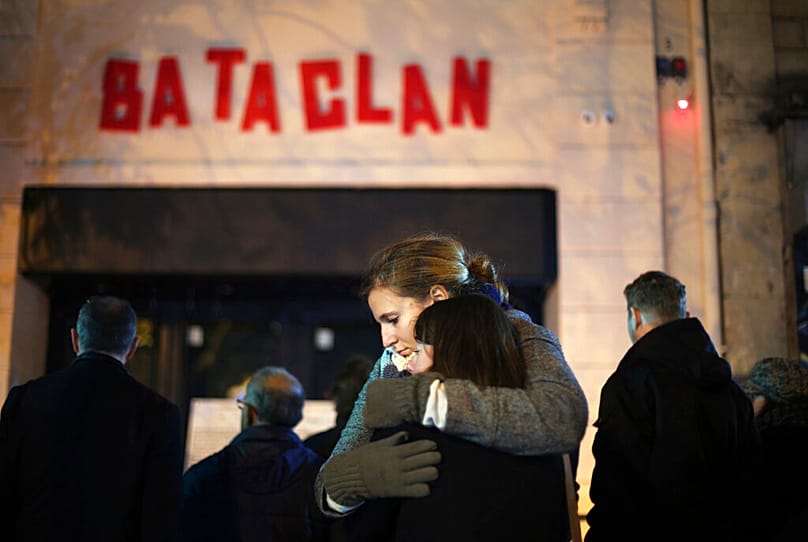
The 13 November 2015 attacks in Paris, which targeted the Bataclan concert hall, cafés, and the Stade de France, marked a profound shift in the European psyche. These coordinated assaults by the Islamic State (IS) left over 130 people dead and more than 400 injured, shattering the sense of safety that many Europeans had taken for granted.
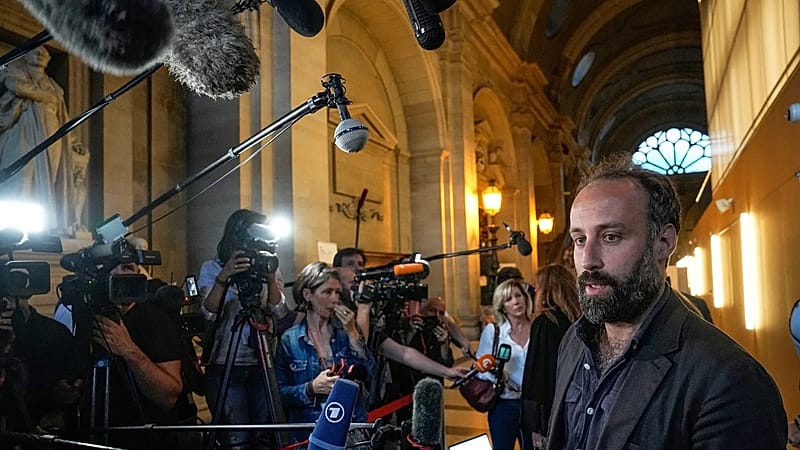
As the world prepares to commemorate the 10th anniversary of these tragic events, survivors and victims’ families continue to grapple with the lasting emotional and psychological scars. For Arthur Denouveaux, president of the victims’ association Life for Paris, the memories remain vivid and painful.
“I remember clearly seeing the flame shooting out of the barrel of the gun,” Denouveaux recalled. “I remember lying on the ground and seeing the face of the girl who was looking at the terrorist, who was still standing there, looking motionless, and the people who grabbed her and took her to the ground.”
Denouveaux described the harrowing experience of crawling over bodies, unsure whether they were alive or dead. “I think most of them were not dead, more like pretending to be dead, but I remember a few faces where, from the angle of the neck and the colour of the skin, I think they were definitely dead.”
Living with PTSD: A Long and Unpredictable Journey
Surviving such an attack is only the beginning. Denouveaux, now a father of three, shared how the trauma of the event has continued to affect him over the years. “It took me a year and a lot of medication to get over the critical phase of post-traumatic stress syndrome, but even later it came back unexpectedly and more often than I would have liked, like on the subway or during fireworks when I smelled smoke.”
He emphasized the unpredictable nature of PTSD, noting that while some periods are calmer, the condition can resurface without warning. “I’m very cautious about that because I’m not sure that PTSD can be completely cured; I think there are just longer periods when nothing happens.”
The Anniversary: A Time of Grief and Connection
For many survivors, the anniversary of the attacks is a deeply emotional time. As the 10th anniversary approaches, the sense of grief and tension among those who lived through the attacks becomes palpable.
“It’s the 10th anniversary, and the emotions and the tension are everywhere in us survivors,” said Denouveaux. “In a way, it isolates us from the world because we are so focused on the grief and the dead that we live in a kind of bubble.”
He explained that the period leading up to 14 November is particularly challenging. “From 1 November, we start to be so preoccupied with each other that everything else blurs. I’d say the hardest part is 14 November when we kind of have to get back to normal, and the grief is still there, but the bond that connects us is loosening.”
Honoring the Victims: A Memorial Garden
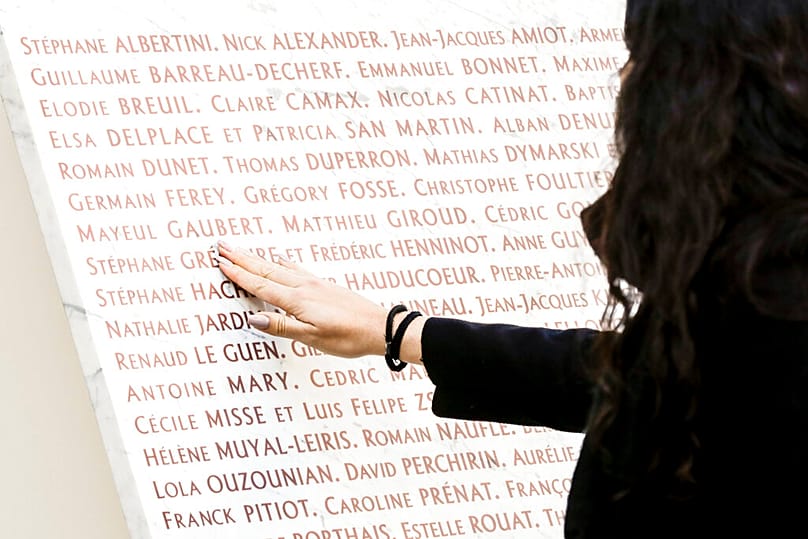
In recognition of the lives lost and the resilience of the survivors, the Municipality of Paris will unveil a memorial garden on Thursday near the city hall. This symbolic space will display the six sites of the attacks and include the names of the victims.
The garden serves as a place of remembrance and reflection, offering a tangible connection to the past while also providing a space for healing. It represents the city’s commitment to honoring those who were affected by the attacks and ensuring that their stories are never forgotten.
As the world reflects on the events of 13 November 2015, the voices of survivors like Denouveaux remind us of the enduring impact of such tragedies. Their experiences highlight the complex journey of recovery, the importance of community, and the need for ongoing support for those who continue to live with the echoes of the past.