
Concerns Over New Sex Education Curriculum in Sri Lanka
Sri Lanka is facing growing concerns over the introduction of a new sex education curriculum that is set to be implemented in schools starting next January. The initiative has sparked strong reactions from religious leaders, who argue that the program could mislead children and challenge traditional cultural values.
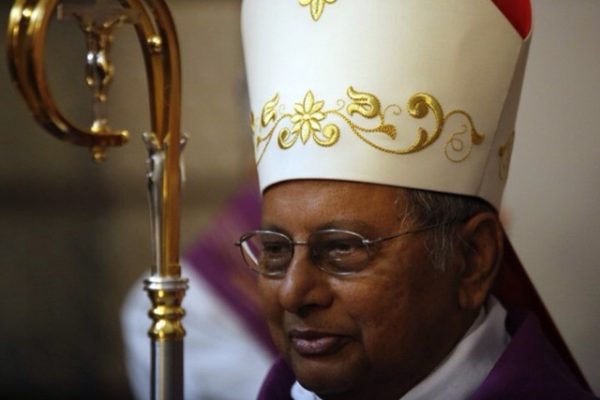
At the heart of the controversy is Archbishop of Colombo, His Eminence Malcolm Cardinal Ranjith, who has publicly voiced his apprehensions about the proposed changes. During the reopening of the renovated St. Stephen Munidun Church in Keenadeniya, Mirigama, the Archbishop highlighted his deep concern regarding the inclusion of topics such as sexual health, birth control, and relationships in the school syllabus.
He suggested that these lessons would be introduced for students from Grade 6 onwards, with teachers undergoing special training to deliver the content. However, the Archbishop questioned the appropriateness of such material for young students, emphasizing the importance of parental guidance in shaping children’s understanding of sensitive issues.
Cultural Values and Parental Responsibility
The Archbishop stressed that parents should play a central role in educating their children on matters related to sexuality. He argued that these discussions should occur within the framework of cultural and moral values that are deeply rooted in Sri Lankan society. According to him, the current educational reforms may not take into account the unique social and ethical context of the country.
He called on authorities, including the President, to re-evaluate the proposed curriculum to ensure it aligns with Sri Lanka’s traditions and beliefs. The Archbishop believes that the involvement of international organizations in shaping the education system might lead to the adoption of ideas that do not resonate with local communities.
Impact on Students and Society
The proposed curriculum aims to provide students with comprehensive knowledge about sexual health and relationships. While supporters argue that such education can help prevent teenage pregnancies, reduce the spread of sexually transmitted infections, and promote healthy relationships, critics like the Archbishop fear that it may expose children to inappropriate content at an early age.
The debate has raised questions about the balance between providing necessary information and preserving cultural norms. Many parents and educators are concerned about how these lessons will be delivered and whether they will be age-appropriate.
Ongoing Discussions and Future Steps
As the implementation date approaches, there is a growing demand for transparency and dialogue around the curriculum. Stakeholders are calling for more information on how the program will be structured, who will be responsible for its delivery, and what measures will be taken to ensure that it respects the diverse cultural backgrounds of students.
The Archbishop’s comments have added fuel to the ongoing discussion, highlighting the need for a careful and inclusive approach to education reform. As the country moves forward, the challenge will be to find a way to address the needs of students while respecting the values and beliefs of the broader community.
Key Points of Concern
- The proposed sex education curriculum includes topics such as sexual health, birth control, and relationships.
- Lessons are planned for students from Grade 6 onward, with teachers receiving specialized training.
- The Archbishop emphasized the importance of parental responsibility in guiding children on sensitive issues.
- There are concerns that the curriculum may conflict with Sri Lanka’s cultural and moral values.
- Authorities are urged to review the reforms to ensure alignment with national traditions.