
The Importance of Faith in Healthcare
In a recent conference held in Koforidua, the Christian Health Association of Ghana (CHAG) addressed a critical issue within the nation’s healthcare system. The organization warned that efficiency without faith could undermine the very essence of healthcare, emphasizing the need for moral renewal to maintain compassion and ethics in health delivery.
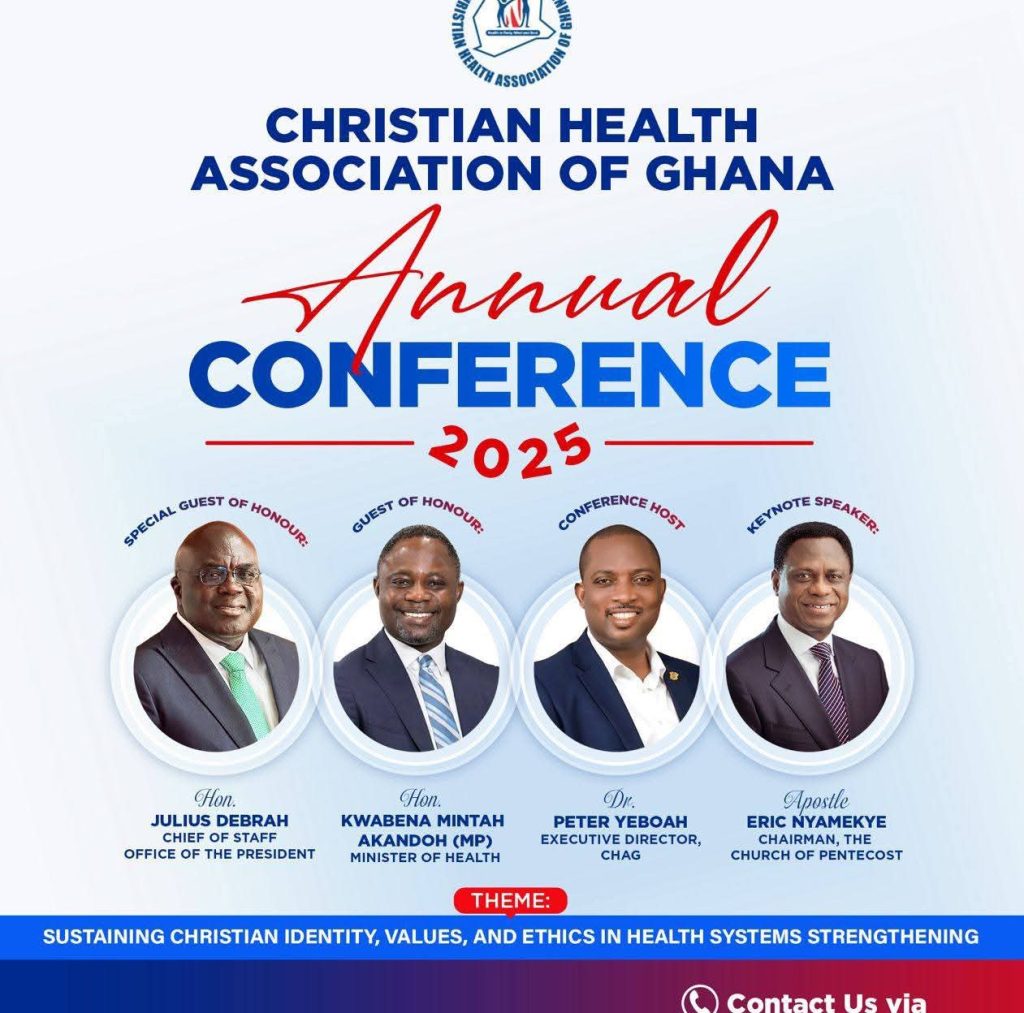
The annual conference, themed “Sustaining Christian Identity, Values and Ethics in Health Systems Strengthening,” brought together various stakeholders to discuss the challenges facing the healthcare sector. Dr. Peter Kwame Yeboah, the Executive Director of CHAG, highlighted concerns over what he termed “spiritual emptiness” in the healthcare system. He expressed worries that hospitals might become “efficient but spiritually hollow.”
Dr. Yeboah pointed out that nearly eight million Ghanaians seek care at CHAG facilities annually. These 385 facilities operate across all 16 regions of Ghana, providing compassionate, Christ-like care. However, he noted signs of moral fatigue among staff, which could threaten the spiritual foundation of these institutions.
“Our hospitals are becoming efficient, but spiritually empty, and that is not the foundation of our calling,” he emphasized. This warning underscores the importance of maintaining a balance between efficiency and spiritual values in healthcare.
A Legacy of Service and Innovation
CHAG has a long history of pioneering initiatives that have shaped Ghana’s healthcare landscape. In the 1990s, the organization played a key role in developing community-based health insurance schemes, which influenced the creation of Ghana’s National Health Insurance Scheme (NHIS). Today, CHAG provides nearly one-third of the country’s healthcare services, particularly in communities that are often overlooked.
Dr. Yeboah described CHAG as the bridge between science and faith, compassion, and efficiency. This unique position allows the organization to address both the physical and spiritual needs of patients, ensuring holistic care.
During the conference, Apostle Eric Nyamekye, Chairman of The Church of Pentecost, delivered a keynote address that reminded health professionals of their divine calling. He stated, “Every Christian in the health sector is performing a holy assignment. You are the salt and light in a world advancing medically but declining morally.”
He urged attendees to focus on healing not just the body, but also the soul, highlighting the moral decline that accompanies medical progress. “We live in an age of astonishing progress, yet millions still suffer needlessly. That is why we must heal not just the body, but the soul,” he said.
Government Support and Commitment
Health Minister Mr. Kwabena Mintah Akandoh commended CHAG for its contributions to the national health system. He described the organization as more than a health provider, stating that it is a custodian of faith, dignity, and humanity.
The minister pledged the government’s commitment to supporting CHAG under the upcoming Health Sector Medium-Term Development Plan (2026–2029) and policies such as the Free Primary Healthcare Policy. This support aims to strengthen the healthcare system while upholding ethical standards.
Most Rev. Joseph Afrifa Agyekum, Catholic Bishop of Koforidua, praised CHAG for delivering uninterrupted services. He urged the Ministry of Health to keep health workers motivated, recognizing the vital role they play in the healthcare sector.
A Call for Renewal
The conference concluded with a renewed call for moral and spiritual renewal in Ghana’s health sector. Attendees emphasized that compassion and ethics must remain the foundation of care. This message resonates deeply in a time when the balance between efficiency and faith is increasingly challenged.
By integrating spiritual values into healthcare practices, organizations like CHAG can ensure that the human element remains at the heart of medical care. As the healthcare landscape continues to evolve, maintaining this balance will be crucial for the well-being of patients and the integrity of the profession.