
Key Developments in the National Assembly
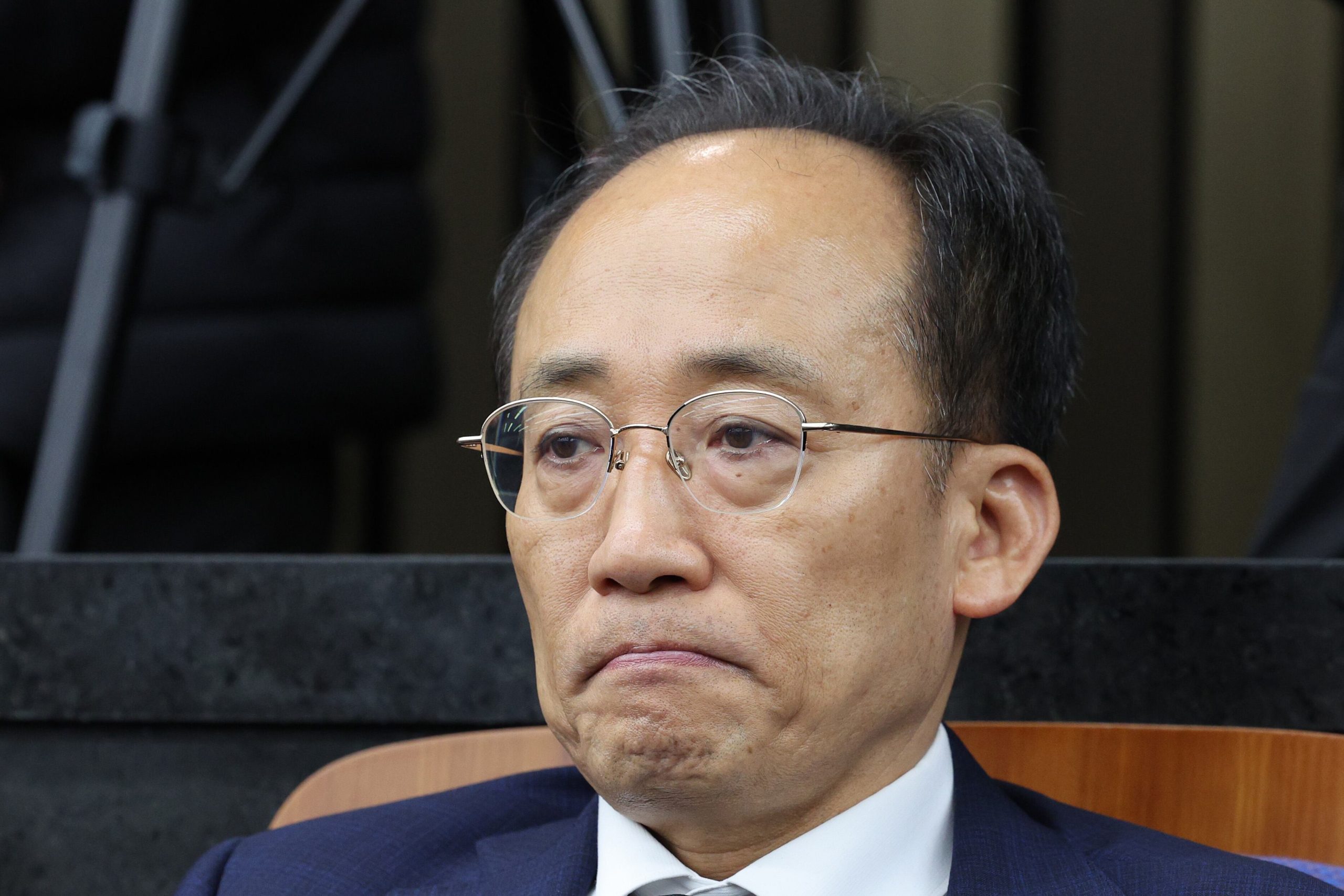
The motion for arrest consent concerning former People Power Party floor leader Choo Kyung-ho is expected to be processed during the National Assembly plenary session on the 27th. This development comes after a series of discussions and agreements between the ruling and opposition parties.
Moon Jin-seog, chief deputy floor leader for parliamentary operations from the Democratic Party of Korea, addressed reporters during a workshop held at the Gonjiam Resort in Gwangju, Gyeonggi Province. He mentioned that both the ruling and opposition parties have agreed to report the motion for arrest consent regarding Choo to the plenary session on the 13th and conduct a vote on the 27th.
This decision follows the insurrection special counsel’s request for a bench warrant against Choo, who is accused of involvement in a significant insurrection-related task. The Ministry of Justice submitted the arrest consent request to the National Assembly on the 5th.
Meeting Between Floor Leaders
On the same day, floor leaders and chief deputy floor leaders for parliamentary operations from both the ruling and opposition parties convened for a ‘2+2’ meeting at 10:30 a.m. They reached an agreement on the November plenary session schedule. During this session, the parties will process the recommendation for three non-standing members of the Nuclear Safety and Security Commission. Two of these members will be nominated by the People Power Party, while one will be proposed by the National Assembly Speaker.
Additionally, they agreed to handle 54 non-controversial bills that have already passed the Legislative and Judiciary Committee. These bills are expected to be reviewed and approved during the plenary session.
Emergency Current Affairs Questioning Session
In another significant move, the ruling and opposition parties decided to hold an emergency current affairs questioning session related to the prosecution’s decision to abandon the appeal in the Daejang-dong case. This session is scheduled to take place at the Legislative and Judiciary Committee meeting on the 12th.
Moon, the chief deputy floor leader, explained that while the People Power Party demanded a government audit and questioning of the government regarding the “restraint in appeals,” the Democratic Party maintained the position that the matter should be addressed through an emergency current affairs questioning session at the full Legislative and Judiciary Committee meeting.
Implications and Next Steps
The upcoming plenary session on the 27th is anticipated to be a critical moment for the National Assembly. It will not only involve the processing of the arrest consent motion for Choo Kyung-ho but also address several other legislative matters. The session is expected to reflect the ongoing collaboration and negotiation between the ruling and opposition parties.
The handling of the Daejang-dong case and the subsequent emergency questioning session highlights the political tensions and differing approaches to addressing legal and administrative decisions. As the National Assembly prepares for these events, the focus remains on ensuring transparency, accountability, and the smooth functioning of the legislative process.
With the upcoming sessions, the National Assembly is set to play a pivotal role in shaping the political landscape and addressing key issues affecting the country. The decisions made during these sessions will have far-reaching implications for both the political parties involved and the broader public.