Kenya’s Leadership in Clean Energy and Climate Diplomacy at COP 30
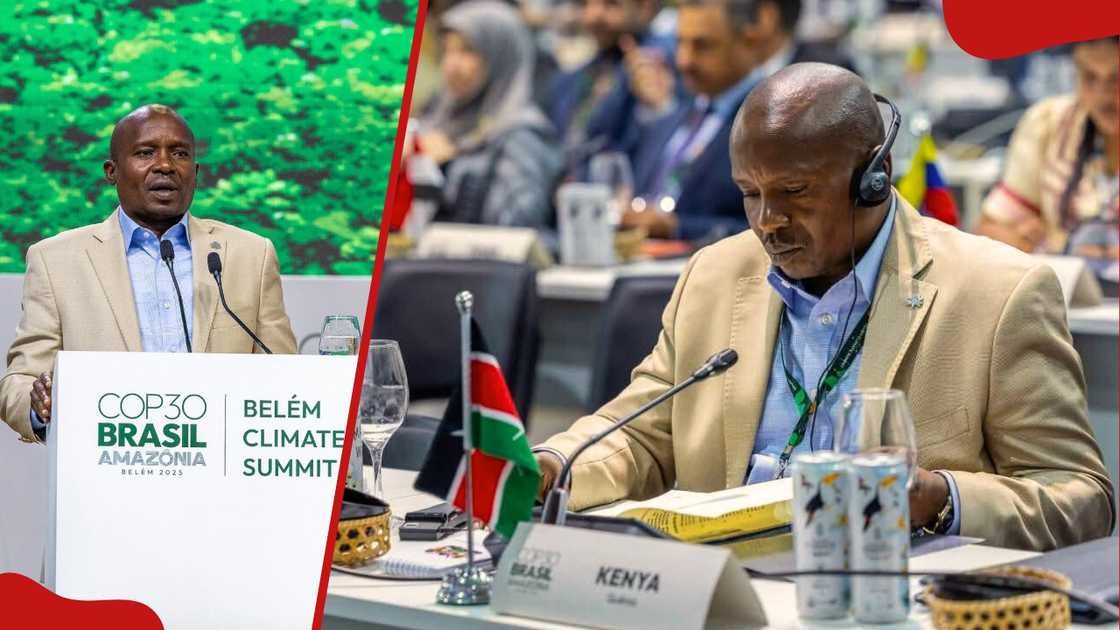
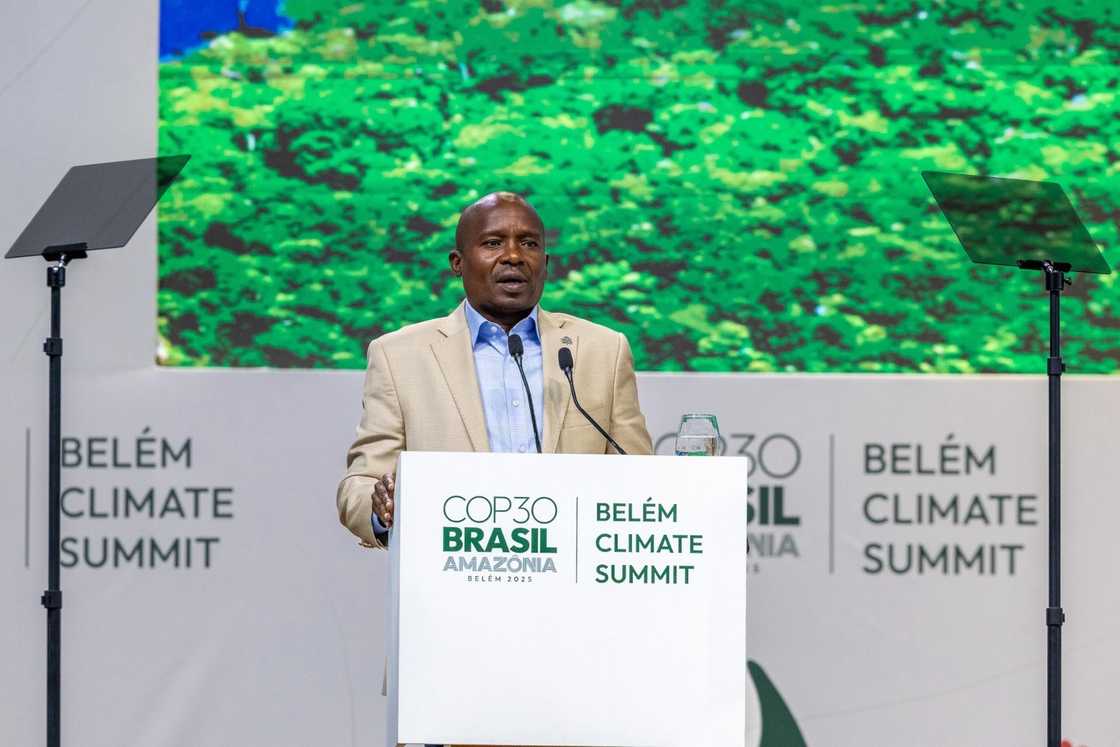
Deputy President Kithure Kindiki is representing Kenya at the 30th Conference of the Parties (COP 30) to the UN Framework Convention on Climate Change (UNFCCC), currently taking place in Belém, Brazil. This annual summit brings together global leaders to negotiate climate finance, emissions reductions, and adaptation strategies with a focus on achieving the 2030 climate goals.
Kindiki has been vocal about Kenya’s achievements in clean energy and its growing influence in climate diplomacy. He highlighted that Kenya now generates 93% of its electricity from green sources such as solar, wind, and geothermal energy. This achievement has earned Kenya global recognition, and the country is on track to reach 100% green energy by 2030. Additionally, 75% of Kenyan households, or 10.6 million homes, have access to electricity. With expanded last-mile rural electrification, universal access by 2030 is within reach.
Kenya’s Investment Plan for Clean Energy Transition
Kindiki outlined a $600 billion investment plan to accelerate the energy transition in Kenya. The plan includes a national workforce reskilling programme and a strategy to phase out biomass cooking by 2028. This shift is seen as vital for creating healthier, greener communities. On the global stage, Kindiki positioned Africa as central to the planet’s energy future, emphasizing the continent’s untapped renewable energy resources, critical minerals, and a youthful workforce capable of powering sustainable manufacturing.
However, he warned that this potential can only be realized if climate financing pledges are fulfilled and the global financial system is restructured to make capital more accessible for developing economies. He pointed out that the process of achieving Kenya and Africa’s climate commitments is threatened by a $2 trillion funding gap, which he described as the non-negotiable floor for global solidarity.
Calls for Climate Financing and Equity
At COP 30, Kindiki called on developed nations to provide climate financing in the form of grants rather than loans. He argued that it would be unfair for countries already suffering from climate impacts to bear the cost of their own survival. He also stressed the need to prevent a climate-induced sovereign debt crisis that could reverse decades of development progress.
The deputy president emphasized equity and inclusion in the green economy, stating that the world must empower women, youth, and farmers to ensure the benefits of the green economy are shared fairly across communities, generations, and genders.
Kenya’s Climate Resilience Agenda
On Saturday, November 8, Kindiki met with key United Nations agencies to push forward Kenya’s climate resilience agenda for the urban poor. The Building Climate Resilience with the Urban Poor (BCRUP) programme, co-led by Kenya and Brazil, aims to protect vulnerable communities in informal settlements from climate shocks such as floods, droughts, heatwaves, violent winds, and landslides. It also seeks to address deeper challenges like poverty, weak infrastructure, and limited governance.
Kindiki highlighted the country’s social housing programme in Nairobi and the Nairobi Rivers Regeneration Programme, which UN agencies have praised as “two of the most consequential initiatives in the Global South to enhance climate resilience using domestic resources.” During the meetings, he sought stronger UN support for local adaptation solutions, periodic reporting to the UN General Assembly, and a UN resolution on urban climate resilience.
Engaging with Global Leaders
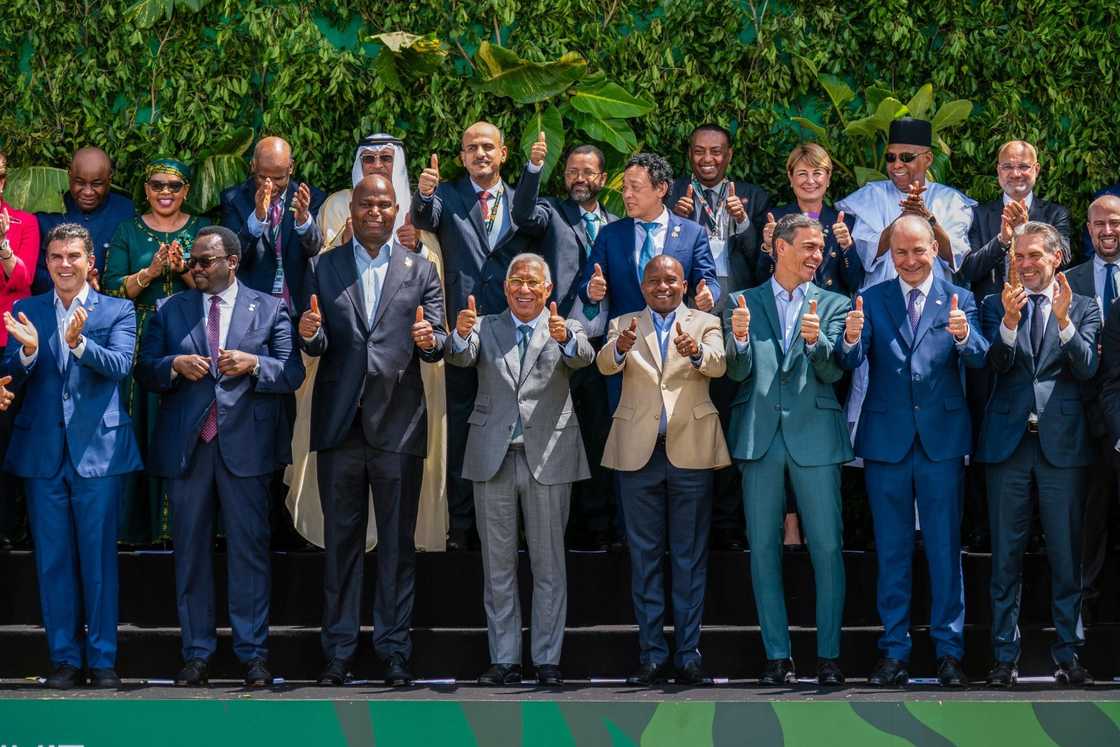
Kindiki engaged with global leaders at the sidelines of COP 30, including UN Secretary-General Antonio Guterres, German Chancellor Friedrich Merz, Namibian President Netumbo Nandi-Ndaitwah, and African Union Commission Chairperson Mahmoud Ali Youssouf. He also interacted with World Trade Organisation (WTO) Director-General Ngozi Okonjo-Iweala, Swedish Minister for European Affairs Jessica Rosencratz, Danish Climate Ambassador Ole Thonke, and South Sudan’s Environment and Forestry Minister Josephine Napon Cosmos.
New Levy on Luxury Flights
In a related development, France, Spain, and Kenya joined a coalition at COP 30 calling for a new levy on premium air travel. The idea is to make elite flyers pay more because their trips create far higher emissions than regular passengers. The plan would see countries without such taxes commit to new charges on business and first-class tickets and on private jets, while states like France aim to raise existing rates. The push comes from the Global Solidarity Levies Task Force, co-chaired by Kenya, France, and Barbados.