
The Growing Diabetes Crisis in Africa
More than 24 million adults aged between 20 and 79 are currently living with diabetes in Africa, according to the World Health Organization (WHO). This number is expected to surge to 60 million by 2050 if urgent action is not taken. Among this population, approximately 12 million remain undiagnosed, leaving them vulnerable to severe complications such as disability, blindness, and premature death.
Dr. Mohamed Janabi, WHO Regional Director for Africa, highlighted these alarming figures during a statement on World Diabetes Day 2025 in Abuja. He emphasized that the continent is witnessing a rapid increase in diabetes cases, driven by changes in lifestyle, rising obesity rates, and limited access to preventive and primary healthcare services.
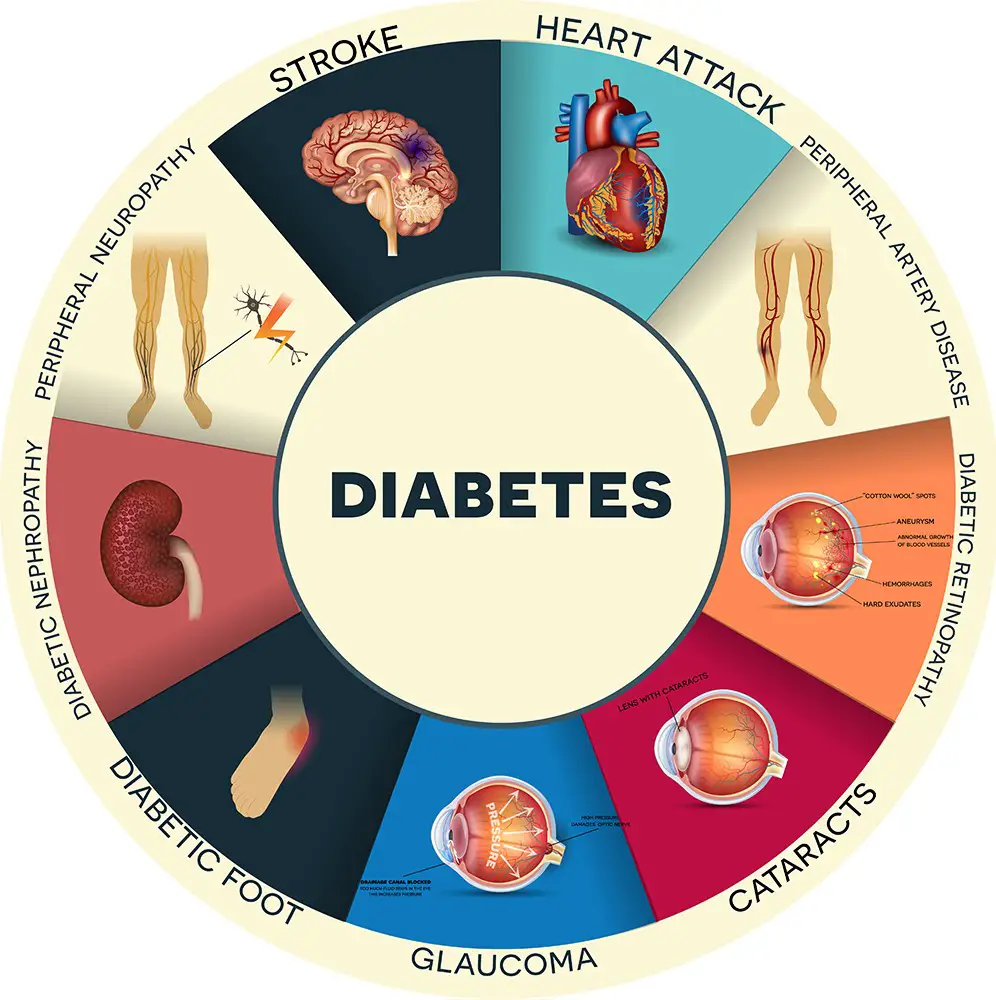
“Diabetes can cause serious damage to the heart, kidneys, eyes, and nerves,” Dr. Janabi warned. “If left unchecked, it will have far-reaching consequences for individuals, families, and communities, while also placing a heavy burden on health systems and economies.”
He stressed the need for resilient health systems capable of delivering continuous care—from prevention and early diagnosis to treatment and long-term support. This includes ensuring that healthcare services are accessible, affordable, and tailored to meet the needs of different populations.
A Global Effort to Combat Diabetes
The theme for World Diabetes Day 2025, “Diabetes Across Life Stages,” reflects the reality that diabetes affects people at every stage of life, from children and adolescents to adults and older individuals. Each group requires specific interventions and support to manage the condition effectively.
In 2024, African member states adopted the Framework for the Implementation of the Global Diabetes Compact in Africa. This commitment aims to ensure equitable and comprehensive care for all individuals affected by diabetes. Countries like Ghana and Uganda are already integrating diabetes and cardiovascular services into their primary healthcare systems, setting a positive example for others to follow.
WHO is actively supporting nations in developing and implementing strategies to prevent and treat diabetes. Two key initiatives, the WHO PEN package and PEN-Plus, are making a significant impact. The PEN package is being used in 31 countries, while PEN-Plus operates in 20 countries. These programs aim to expand access to affordable, quality care for chronic illnesses at the primary healthcare level.
Challenges and Calls for Action
Despite these efforts, Dr. Janabi urged countries to translate commitments into tangible results. He called for stronger governance, increased funding for non-communicable disease services, and the full integration of diabetes prevention and treatment into national health and primary care plans.
This call to action comes as the global community continues to grapple with the growing diabetes epidemic. With the right policies, resources, and collaboration, it is possible to reduce the burden of diabetes and improve the lives of millions across Africa.