
A New Vision for Rural Creativity
Emagudugudwini, which translates to “in the woods,” is more than just a project title; it is an awakening of sound, color, and spirit. This artistic movement, curated by the imaginative Zwelani Ndebele, brings together rural and peri-urban creatives from Figtree and Matobo, two landscapes rich with memory and resilience.
To the casual observer, these areas may seem remote and silent. But to those who listen closely, the silence hums alive with rhythm, song, and brushstroke as there are many creatives within these areas.
For years, the artists of Matabeleland’s rural belts have existed in the shadows of Zimbabwe’s creative industry, distant from funding centers, markets, and recognition. Emagudugudwini is rewriting that narrative. It reframes art not as a luxury but as a language of development; the rural not as a cultural backwater, but as a creative campus; and visibility not as privilege, but as a right.
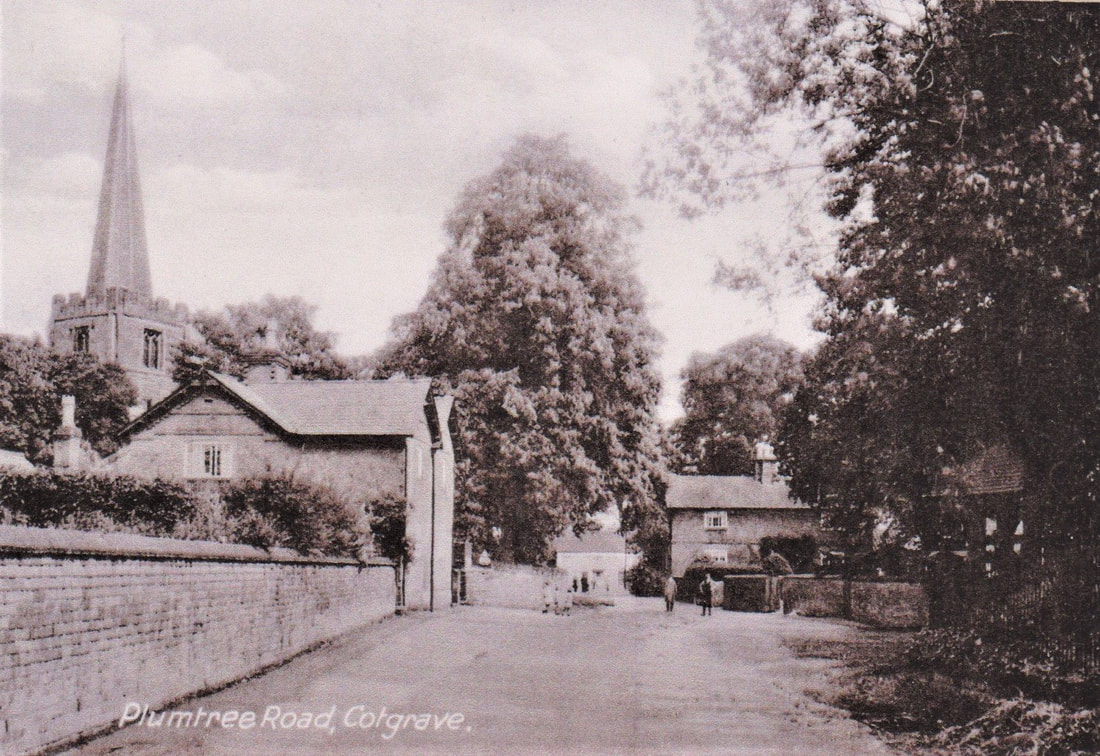
Through this project, the woods themselves become a studio, a gallery, and a gathering place. Traveling along the Plumtree Road, one witnesses not only the motion of trucks and travelers but also the quiet artistry that thrives just beyond the tarmac. Under the curation of Ndebele, these artists meet in clearings, verandas, and village halls. They paint, rehearse, debate, and share meals. They create not in isolation but in communion, embodying an Ubuntu that links art to community.
Among the many creative voices in this network stands Nkiwane, who, though visually impaired, is an ethno-folk guitarist and storyteller whose performances and lively nature are legend along the Plumtree corridor. His fingers, weathered yet graceful, seem to pull songs from the very wood of his guitar, echoing the whispers of wind and stone.
“If the stone remembers the footsteps of our forebears, then my strings are resonances of those footsteps.” In that single metaphor lies the project’s philosophy: art as memory, as continuity, as a living archive of the ancestors. Through his music, Nkiwane retells the oral histories of the Ndebele people—tales of rain shrines, spiritual hills, and communities that once sang beneath the starlit skies before urban migration redefined identity. His guitar becomes both tool and testimony.
“The stone remembers” speaks of the Matobo landscape as a keeper of time, while “the strings are echoes” transforms art into a sacred bridge between past and future.
Yet for all their depth, artists like Nkiwane face stark realities. Exposure is scarce, infrastructure limited, and funding uncertain. Many talented rural artists are invisible in the national creative economy, their works seldom reaching galleries, festivals, or radio waves. Here, Emagudugudwini acts as a lifeline—a connecting hinge between the overlooked and the visible, between isolation and recognition. It seeks to turn what has been a cultural desert into an oasis of possibility.
The desert metaphor fits well. Rural creative spaces often feel like places of drought of resources, of attention, of opportunity. But through this initiative, the desert becomes fertile. Artists who once felt “lost in the woods” now gather in a clearing both literal and symbolic where creativity finds voice and where the rhythm of the outside world can pause to listen.
The potential for growth is immense. Imagine boutique chalets and art lodges nestled in the granite arms of Figtree and Matobo, built and adorned by local artists. Guests could stay in these chalets, watch sunset performances by Nkiwane, and purchase handcrafted pottery, beadwork, and paintings. Each space would serve as both accommodation and exhibition—the lodging itself a work of art. The tourist would not simply observe but inhabit the story.
Small roadside studios could spring up along Plumtree Road, each marked by vibrant murals and simple signage inviting visitors to stop. Inside, artists could host open-studio experiences where travelers browse, converse, and buy directly. It’s a model that merges creative enterprise with cultural tourism—a sustainable pathway where art generates livelihood and visibility.
Schools, too, could bring students for outdoor art retreats or storytelling workshops, blending education with culture and environmental appreciation.
Still, there are hurdles. Poor roads, limited power, and lack of digital marketing make it difficult to sustain such initiatives. Partnerships are vital with local authorities, cultural trusts, and tourism boards. The Indebo Edutainment Trust, a partner in the Emagudugudwini ecosystem, has been exploring the “creative + development” model—an approach that sees art not merely as expression but as an engine for local economies. This model aligns with global trends in “edutainment,” where creativity intersects with education, social change, and innovation.
The context matters deeply. Matabeleland’s history of marginalization has long cast a shadow on its cultural visibility. As one observer noted, “the marginalisation of Matabeleland has rendered Zimbabwe so fragile a nation that even a street mural can expose its disunity.” In this light, Emagudugudwini is more than an art project—it is an act of reclamation. When artists from Figtree and Matobo take the stage, they affirm that creativity, too, is a form of citizenship; that to create is to belong.
Moreover, the project gestures toward a reimagined development model—one that listens to local voices and landscapes. Artists become entrepreneurs; villages become destinations; and art becomes both product and process. The creative economy, often discussed in policy circles, finds tangible form here in the rustle of the trees, the strum of a guitar, and the laughter of artisans under open skies.
For Emagudugudwini to sustain itself, three things are essential. First, visibility—building a recognizable brand through media, roadside signage, and storytelling festivals. Second, partnerships—aligning with tourism boards, NGOs, and cultural institutions to weave art into local economic plans. Third, sustainable funding—moving beyond grants to income-generating models that include lodges, workshops, and arts-based tourism packages.
Ultimately, what the woods of Matobo and Figtree offer is rare: an unspoiled mix of landscape, culture, and imagination along one of Zimbabwe’s most scenic routes. Emagudugudwini taps into this richness and challenges the old narrative that rural means backward. Instead, it insists: rural is frontier—not of deprivation, but of possibility.