
The European People’s Party’s Stance on the Spying Allegations
The European People’s Party (EPP) is resisting the proposal to establish an inquiry committee by the European Parliament to examine allegations of a spying network allegedly led by Hungarian secret services in Brussels. This opposition is based on concerns that such an investigation could be exploited by Hungarian Prime Minister Viktor Orbán, who is currently facing a tight election in April.
In October, the European Commission initiated an investigation following media reports that suggested the Hungarian government attempted to recruit EU employees in Brussels as informants. These agents were reportedly posing as diplomats from the Hungarian Permanent Representation to the EU in Brussels. During this period, from 2015 to 2019, the representation was led by Olivér Várhelyi, who is now the Hungarian European Commissioner.
Progressive Groups Push for Inquiry
Progressive groups within the European Parliament are advocating for their own parliamentary inquiry committee to address these allegations. The Greens, Socialists, and the liberals of Renew Europe are urging the establishment of the inquiry committee as soon as possible. However, the EPP, which holds the largest number of seats in the Parliament, is against this move.
According to sources within the EPP, the inquiry could “play into Viktor Orbán’s hands” ahead of the upcoming election. Orbán is competing against Peter Magyar, a younger conservative candidate and also a member of the EPP. The EPP believes that an inquiry committee would provide a platform for Orbán to bolster his domestic narrative against EU institutions, portraying himself as “the defender” of the Hungarian nation.
Necessity of the Inquiry
Despite the EPP’s stance, pro-European progressives argue that the inquiry is essential due to the seriousness of the allegations. Hungary and Várhelyi have denied the claims. Tineke Strik, a Green MEP and rapporteur for a report on the rule of law in Hungary, stated, “We want to be sure that all the facts are on the table. The Parliament’s position may also have been damaged by this [spying activity].”
Csaba Molnár, a Hungarian Socialist MEP, suggested that the alleged spying was conducted “on behalf of Russia and in Putin’s interest.” He emphasized that the question is not whether espionage took place, as it is known to have occurred, but rather where the information obtained through espionage ended up.
Process for Establishing the Inquiry
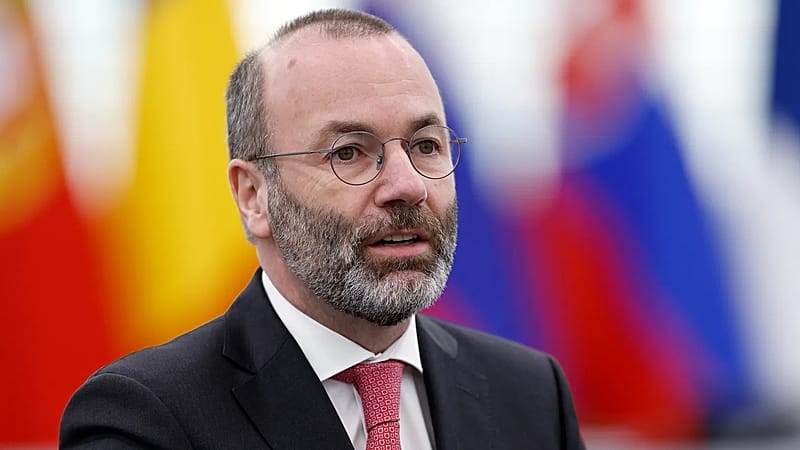
Manfred Weber, the chair of the EPP, has been contacted by Euronews for comment on the matter. While an inquiry committee can be initiated with the votes of just one quarter of the Parliament’s MEPs, it requires the support of the majority of the Parliament to be approved.
The first step in triggering the process involves the Conference of Presidents, which includes the heads of different groups and the Parliament President, Roberta Metsola. Decisions within the CoP are made by majority, with each leader’s vote weighted according to the size of their parliamentary group. This makes the EPP’s vote crucial for the establishment of an inquiry committee.
Functions of Inquiry Committees
According to Parliament’s rules, inquiry committees can organize fact-finding missions, invite witnesses, hear officials from the EU or member states, and request assistance from national authorities during their investigation. Unlike some national parliaments, witnesses are not obligated to appear when called or to testify under oath.