
The Resurgence of Illegal Loan Apps in Nigeria
Nigerians are once again facing the threat of illegal loan apps, commonly referred to as loan sharks. These operators have made a comeback despite previous government efforts to curb their activities. This resurgence has sparked concerns among citizens and officials alike, especially given that many Nigerians continue to use these services even when legitimate alternatives are available.
The Nigerian Tribune has uncovered a list of such loan operators who, although not listed on Google, manage to attract a large number of customers. These companies operate under the radar, making it difficult for authorities to track them down. However, their methods of recovering loans are far from ethical, often involving blackmail, intimidation, and threats.
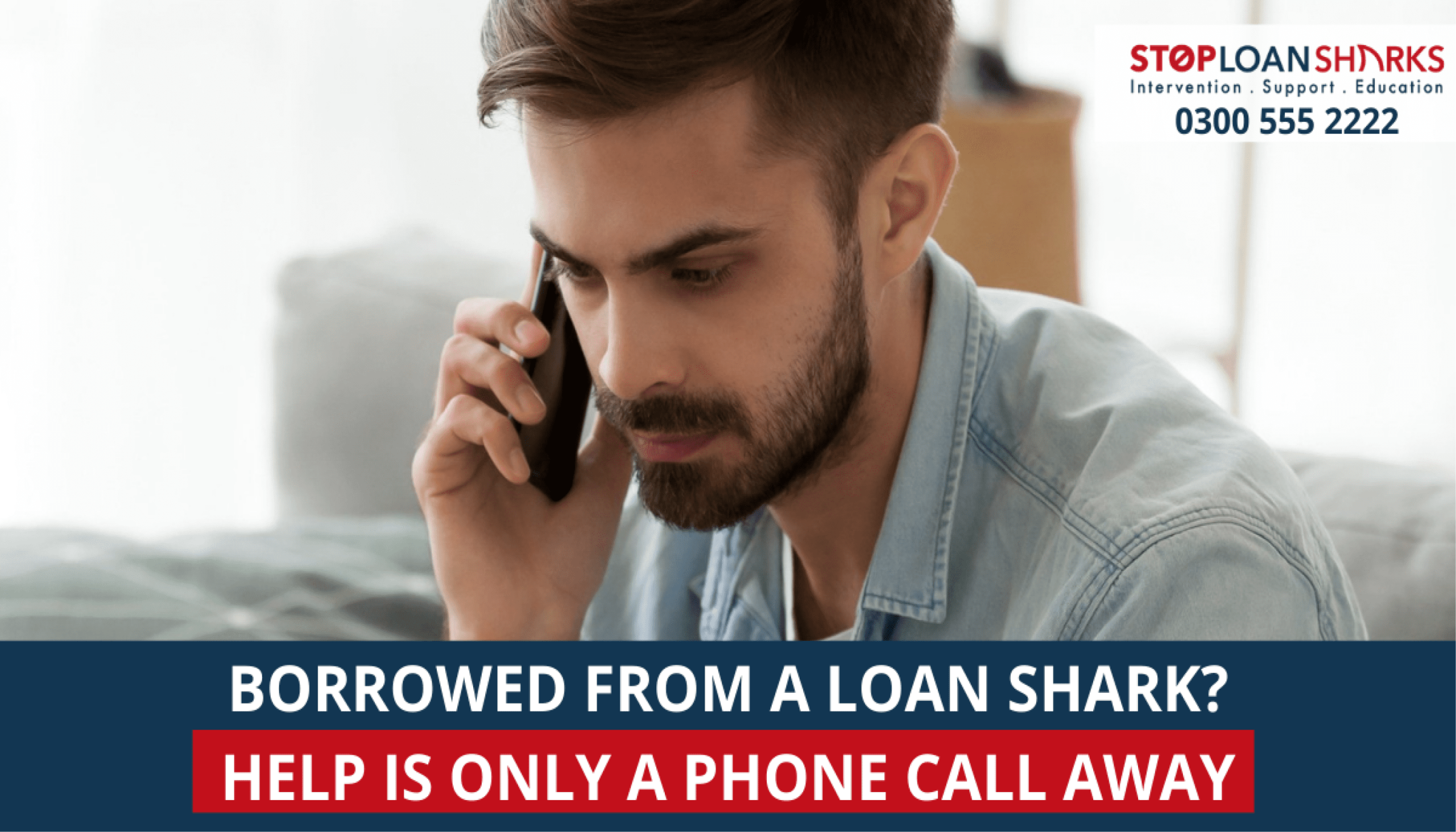
One loanee, who prefers to remain anonymous, shared his experience with a loan shark. He explained that he was in financial distress and needed money to pay his children’s school fees. A company called Apex offered him a loan, which he accepted. However, the situation quickly spiraled out of control.
Before the repayment date, he began receiving threatening calls from the creditor, demanding immediate payment. The once-friendly approach turned into harsh and abusive language. On the day of repayment, the lender followed through on their threat by contacting some of his friends and accusing him of fraud. His picture and that of his son were circulated online, causing significant embarrassment and stress.
Another individual, Kunle, shared how the actions of a loan operator led to the loss of an important project. A contractor, who was supposed to provide another loan, changed his mind after being contacted by the loan operator. This resulted in the cancellation of the project, leaving Kunle in a difficult position.
Mrs. Oluseyi, whose name is withheld, revealed that one of her domestic staff committed suicide after failing to repay a loan. She explained that no one knew about the loan until the tragic incident occurred. The staff member had been subjected to threats and trauma, which eventually became unbearable.
Despite the numerous cases of abuse, many Nigerians seem to be going through this in silence. The operations of these loan sharks have become more covert, with most of them not appearing on the Play Store, making it harder for authorities to monitor their activities. However, they still find ways to reach their clients through links and other means.
The Federal Competition and Consumer Protection Council (FCCPC) has expressed concern over the continued patronage of these illegal loan apps. Ondaje Ojagwu, the Head of Corporate Affairs at FCCPC, highlighted that there are approximately 300 registered loan apps approved by the commission. These apps are required to disclose their directors before registration, ensuring transparency.
Ojagwu emphasized that the FCCPC is committed to educating the public about the risks associated with illegal loan apps. The agency encourages Nigerians to report any suspicious activities to the commission for necessary action.
The Need for Awareness and Reporting
The FCCPC’s efforts to raise awareness are crucial in helping Nigerians make informed decisions. By promoting the use of registered loan apps, the agency aims to protect consumers from exploitation. It is essential for the public to understand the importance of choosing legitimate financial services over illegal ones.
In addition to awareness campaigns, the FCCPC is also working to strengthen its enforcement mechanisms. This includes increasing surveillance and collaboration with other regulatory bodies to identify and shut down illegal operations.
For those who have been affected by loan sharks, it is vital to seek help and report their experiences. This not only helps in addressing individual cases but also contributes to broader efforts to combat these unethical practices.
Conclusion
The resurgence of illegal loan apps in Nigeria is a growing concern that requires immediate attention. While the government has taken steps to regulate the sector, the persistence of these operators highlights the need for continued vigilance. By raising awareness, enforcing regulations, and encouraging reporting, Nigerians can work together to create a safer financial environment for all.